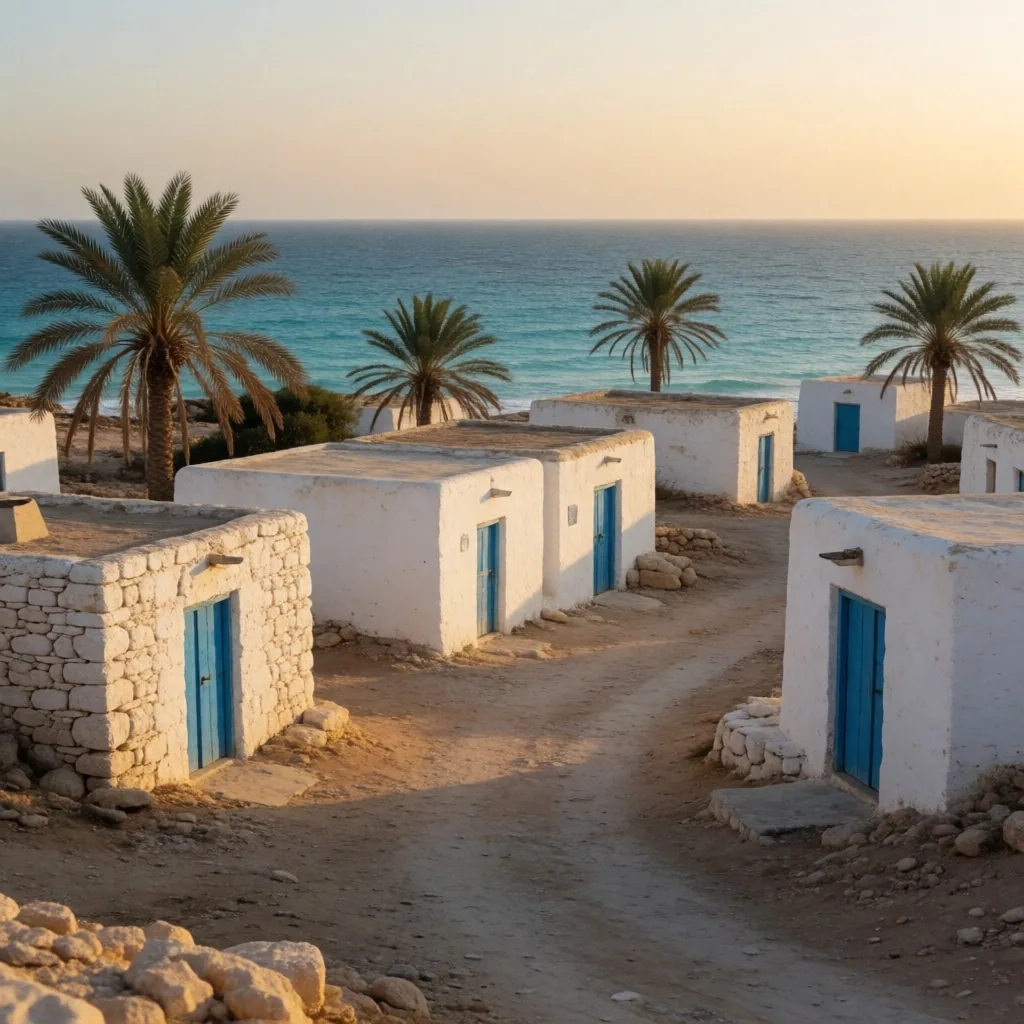
Hidden Coastal Villages & Authentic Stays
Slow-paced Red Sea towns where the shore belongs to the village, not the crowds. Our travel guides into eg focus on quiet stays, fresh catch, and unhurried days by the water.
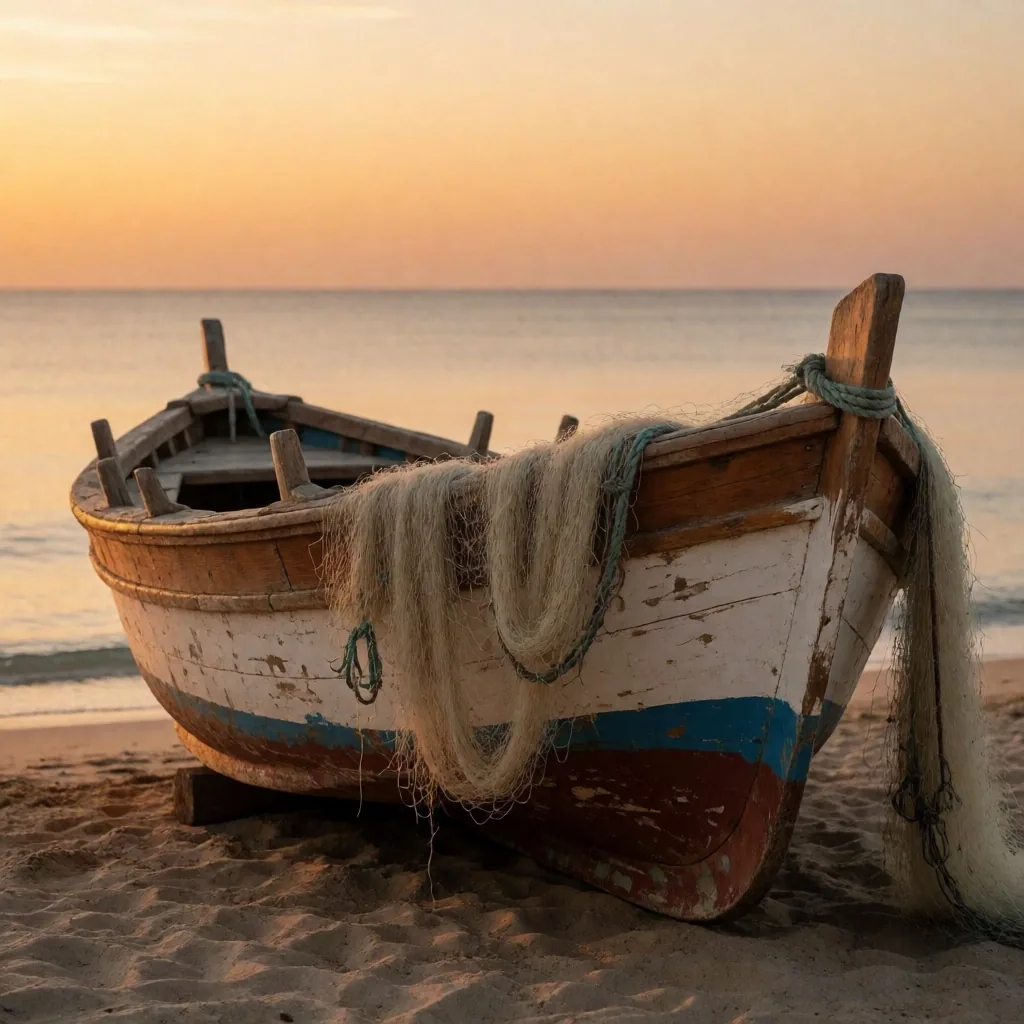

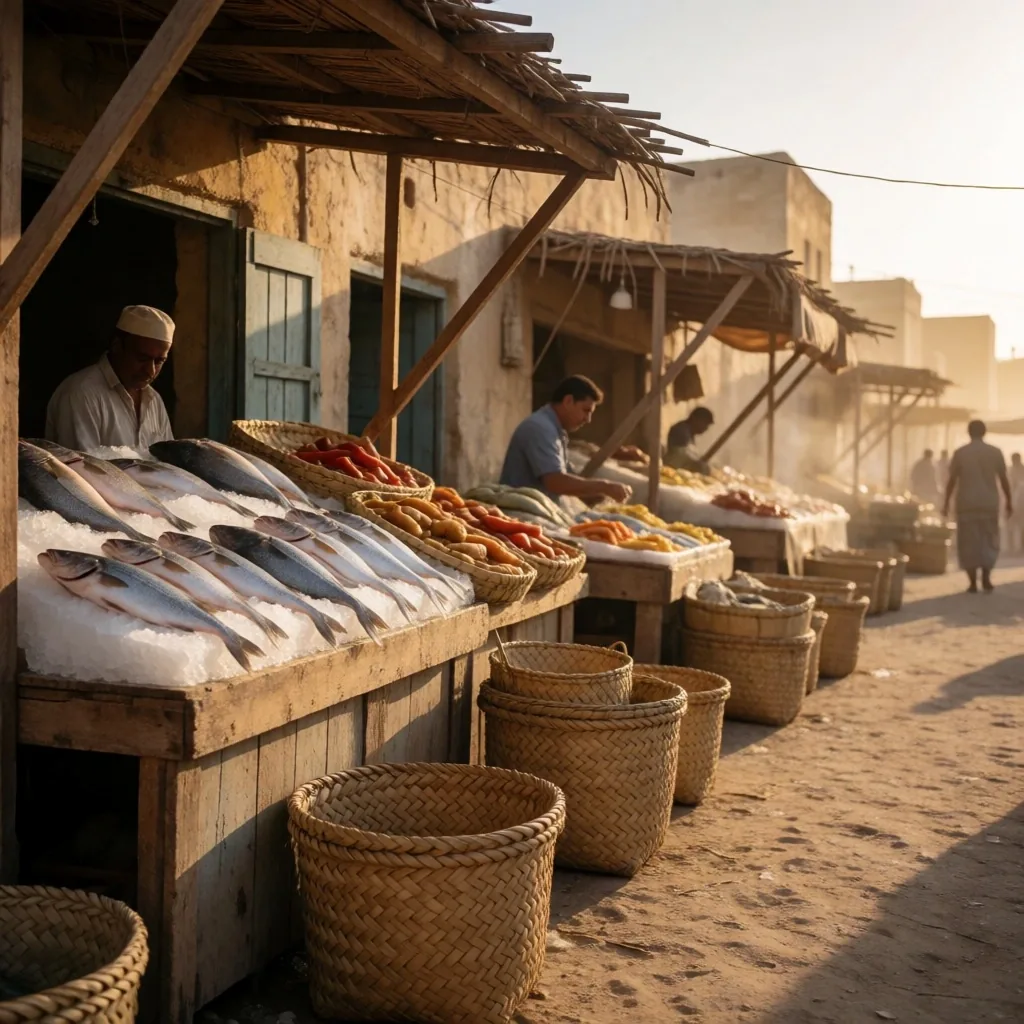
Fishermen sell the morning catch at the village market. Hand-woven goods and fresh bread, sold by the families who made them.
The large resort hubs serve their purpose, but the real character of the Red Sea coast lives in the smaller settlements tucked between them. These are working towns—fishing boats at dawn, family kitchens at noon, children on the Corniche after sunset. Our eg travel guides focus on these spots because they offer something the resorts cannot: a stay measured by the tide, not the crowd.
Life at the tide's pace
Village days start when the boats launch at first light. By mid-morning the catch is at the market; by afternoon the town moves indoors. Evenings belong to the waterfront walk. Our travel guides into eg describe this rhythm in detail, so you arrive knowing what to expect at each hour.
Low stone & lime
Buildings here use local stone and lime-wash, low and cool, with courtyards that pull air through the house. No high-rise blocks, no concrete curtain wall. The horizon stays open for the whole village. Our egypt travelling guides note where the traditional building styles survive intact.
Quiet, not remote
Hidden does not mean hard to reach. Most villages sit on local road links within two hours of a regional hub, accessible by shared van or private car. We explain the transport options in plain terms, so you can plan the final leg without guesswork.
The appeal of small-town life
The smaller coastal villages carry an intimacy that the larger developments have traded away. The local residents are the heart of the experience, not a backdrop to it. You are greeted at the dock, remembered at the market, and waved to on the evening walk.
For the traveller into Egypt who prefers a peaceful stay over a crowded beach, our travel guides focus on locations where you can truly unplug and settle into the local rhythm. These are places built around their setting, not over it.

Tide on stone, gulls, the Imam's call, fishermen hauling nets.
Salt air, wood smoke, baking bread, dried palm frond.
Flat roofs, open horizons, nets drying, palm columns at the shore.
Stone & sea, side by side
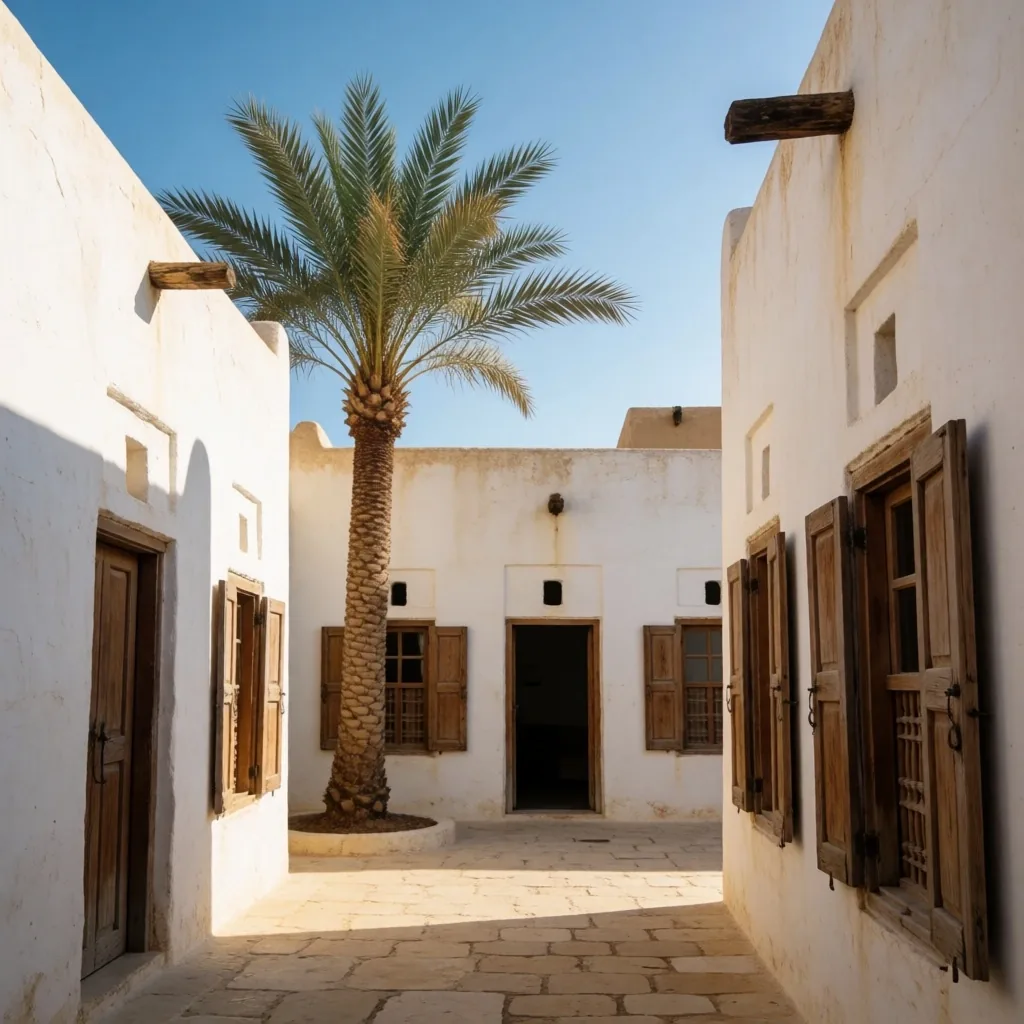
Courtyard houses
Low-rise stone buildings with lime-wash walls, central courtyards for cross-ventilation, and rooftop terraces for evening air. No building rises high enough to block a neighbor's sea view.
Village markets
Small open-air markets where fishermen sell the morning catch and artisans lay out hand-woven goods. Buying directly from the makers supports the community and sends home a piece of the real coast.
Secluded bays
Small inlets with clear water and stretches of sand that rarely see more than a handful of visitors. Some need a short walk or a boat ride; that is precisely why they stay quiet.
Family kitchens
Small family-run eateries serve grilled fish, lentil stews, and bread baked the same hour. The cooking is simple and the ingredients are local. Meals here feel communal by default.
Protected shores
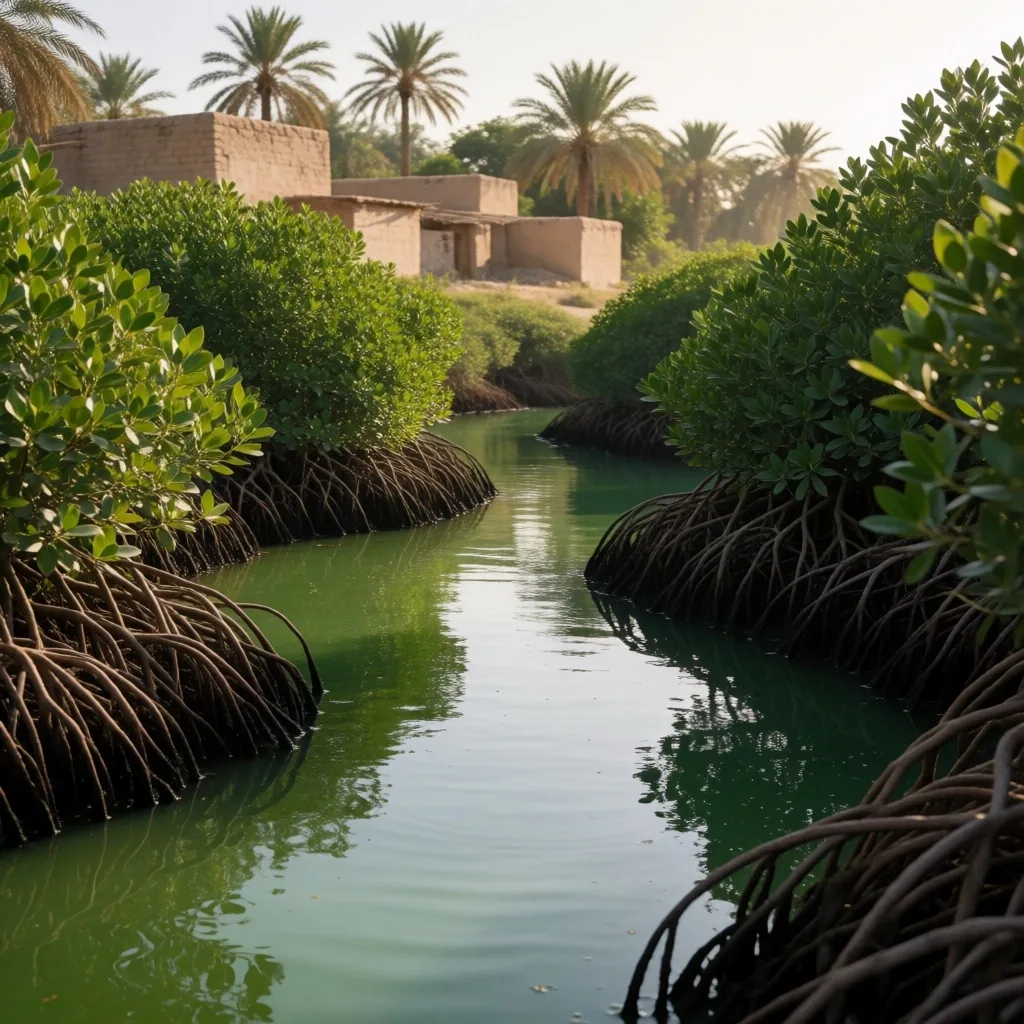
Many villages sit near mangrove stands and bird sanctuaries. Walking trails and low-impact eco-routes start at the town edge, so the natural surroundings stay part of the daily stay.
Dawn fleet
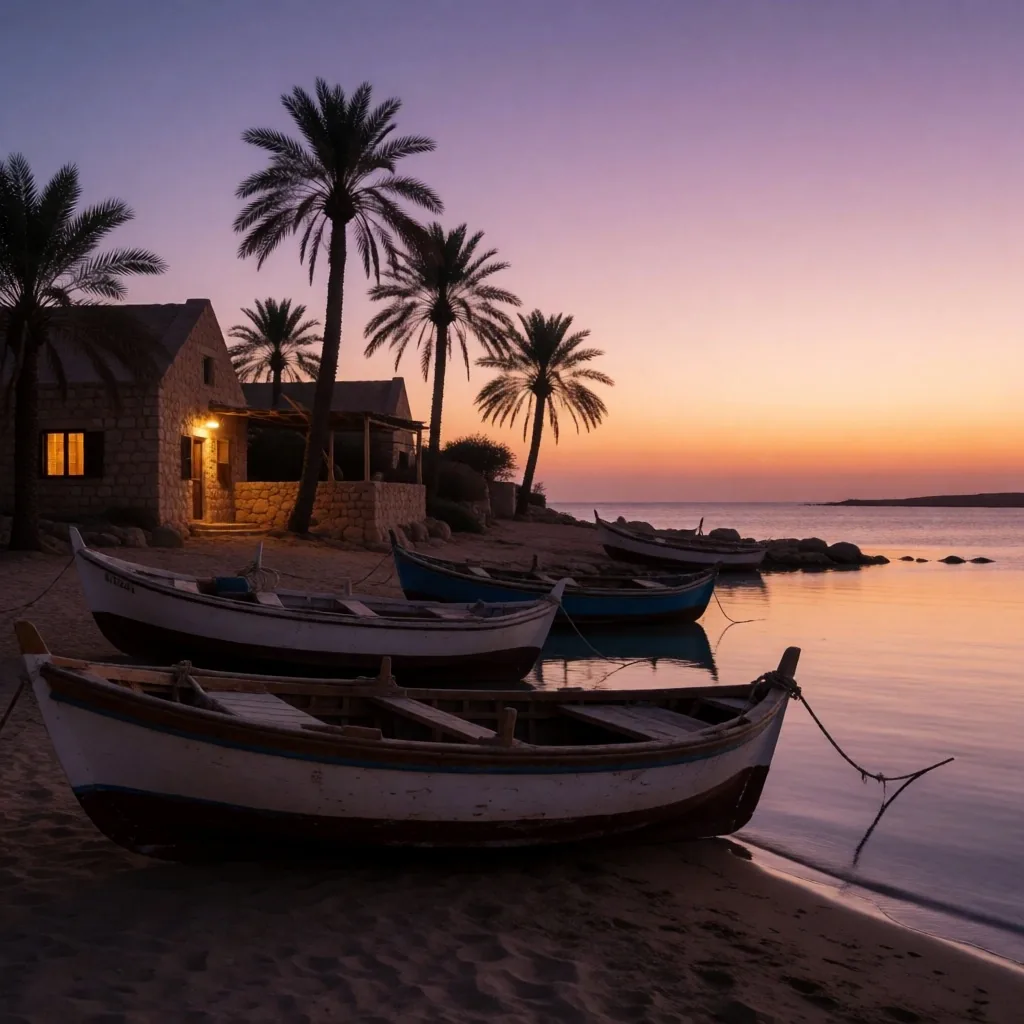
The day begins and ends with the fishing fleet. Boats launch before sunrise and return at dusk with the catch. Hand-cast nets and small wooden skiffs are still the standard tools.
Starry evenings
No late-night noise, no light pollution. After dinner, the slow waterfront walk and a conversation under the palms are the main events. Quiet nights here lead to proper rest.
Road links
Hidden, not cut off. Local roads and shared vans connect these towns to regional hubs like Hurghada and Sharm El Sheikh. We lay out the transport options plainly in the planning guide.
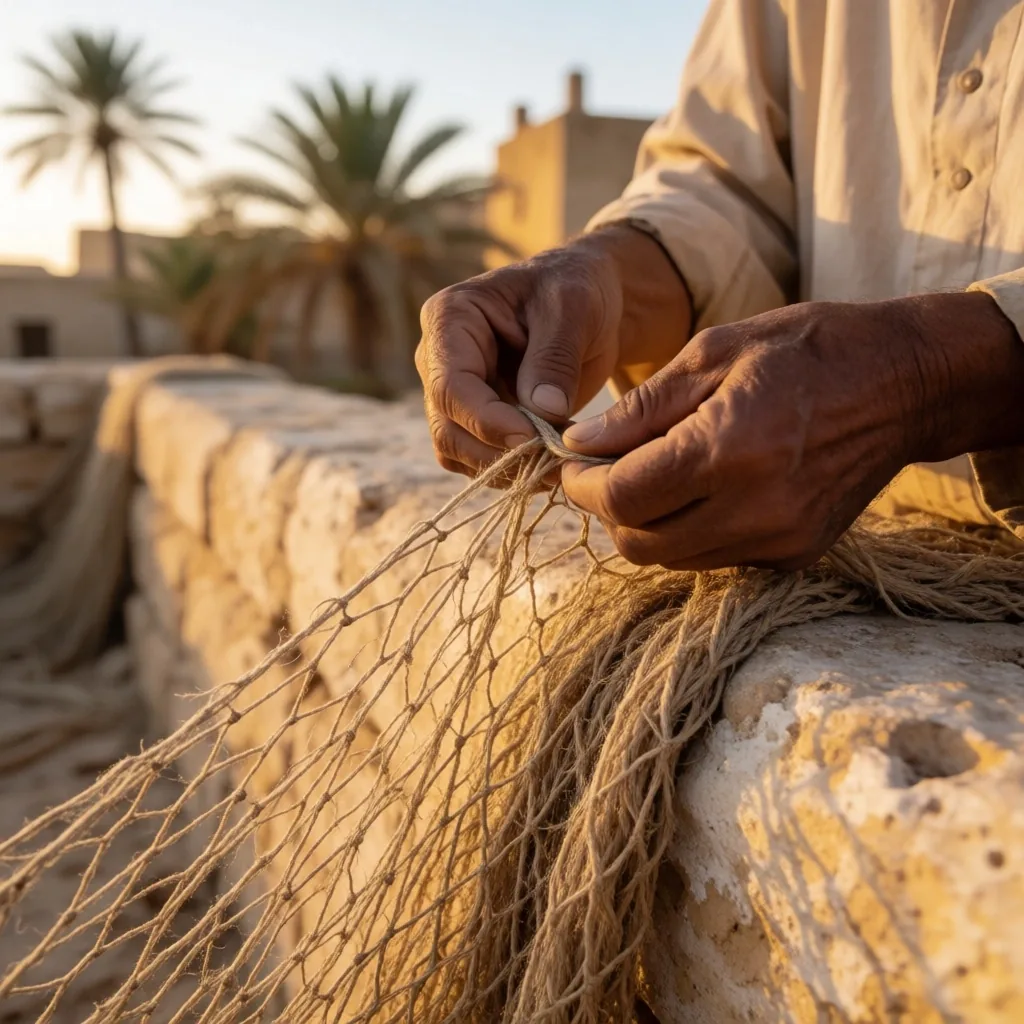 Net repair · Dawn
Where the catch meets the maker
In the center of many coastal villages, small markets open at first light. Fishermen bring the morning catch straight from the boat. Artisans lay out hand-woven rugs, baskets, and simple traditional jewelry made within walking distance of the stall.
Our egypt travelling guides describe the atmosphere of these markets and the types of items you can expect to find at each one. The point is not the souvenir—it is the direct exchange. Buying from the person who made the item keeps the village economy whole.
What to look forHand-woven palm baskets, cotton textiles, simple silver and bead pieces, dried herbs, and the daily catch laid on ice.
Best hoursEarly morning for fish. Late afternoon for crafts, when the heat eases and stalls reopen for the evening walk.
How to payBring small-denomination cash. Haggling is expected on crafts; the fish price is usually set by weight.
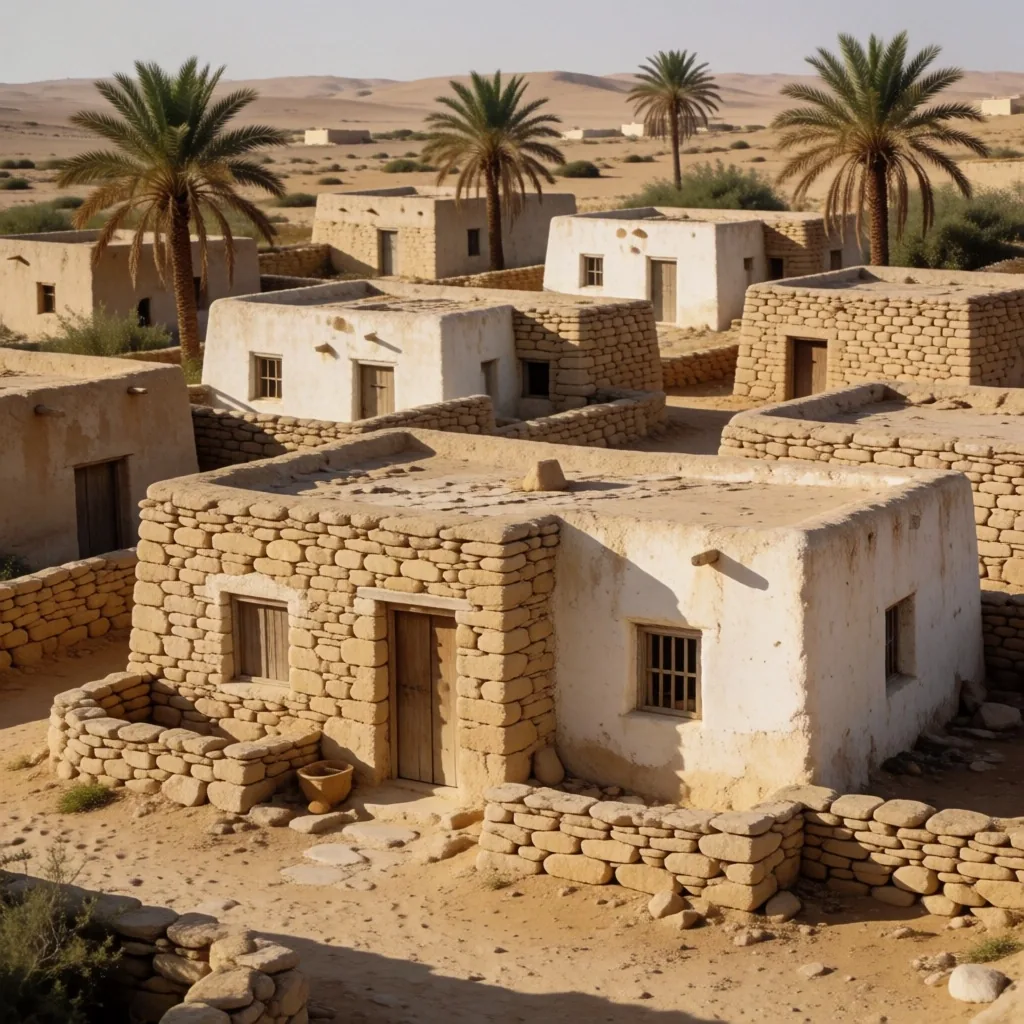
Low-rise stone and lime-wash. The buildings seem to grow out of the ground they stand on.
Buildings that stay low to the ground
Many of these villages have kept their traditional building styles—low-rise structures of local stone and lime-wash, with courtyards and terraces built to pull air through the house. The design is practical first: keep the interior cool, give the family outdoor space for cooking and sleeping in the open.
The lack of high-rise development is not an accident. It preserves the horizon and the sea views for the whole village, not just the top floor. Our travel guides into eg note where this aesthetic has survived and where it is under pressure.
What we checkStone source, lime-wash condition, courtyard airflow, roof terrace access, and whether new construction respects the existing roofline.
A beach almost to yourself
The biggest advantage of staying in a hidden village is the access to small inlets that the crowds never reach. These are stretches of clear water and clean sand where the only footprints are yours and the heron's.
Some of these bays sit at the end of a short walk over the headland; others need a boat ride from the village dock. Our eg travel guides identify the best paths, note where the footing is rough, and mark which bays are easiest to reach with children or gear.
Find Quiet Stays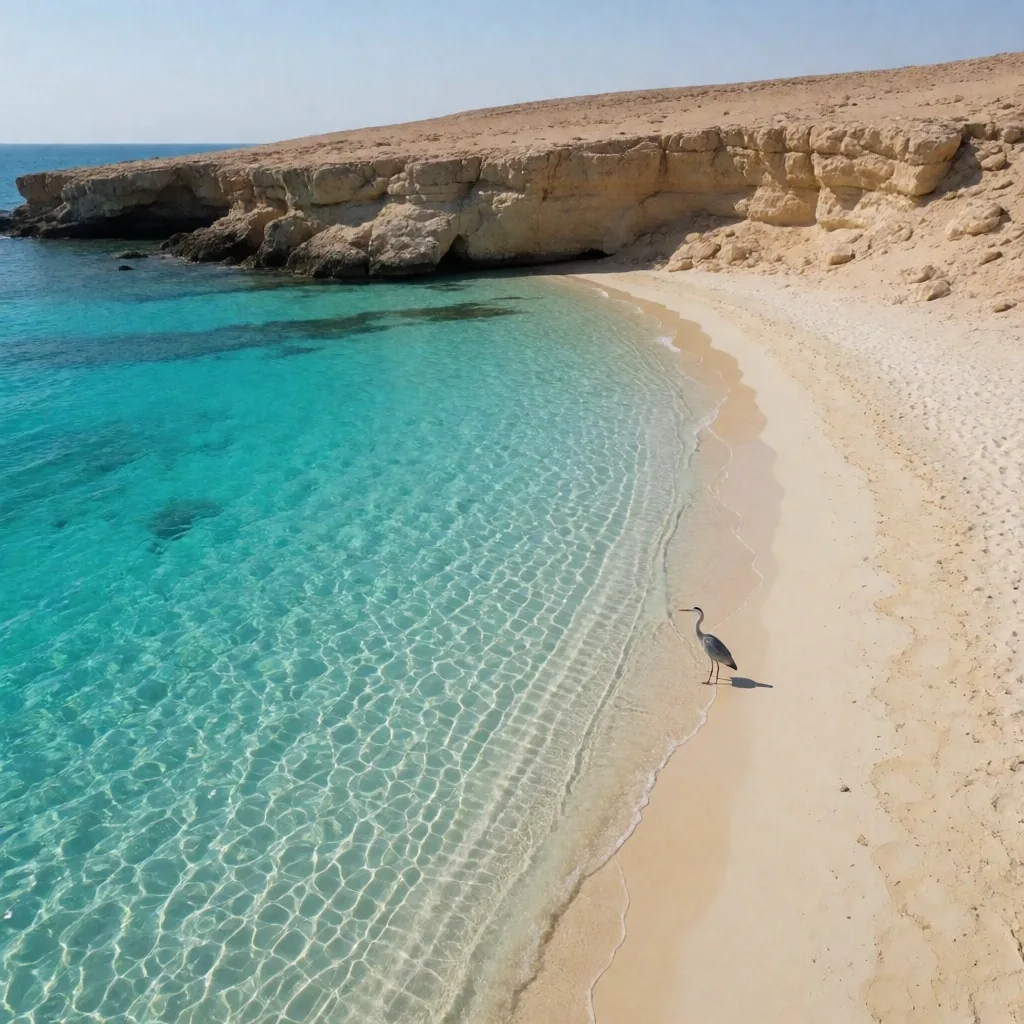
The fleet sets the clock
Launch
Skiffs push off the beach in the dark. Engines are cut past the reef; the rest is oar and tide.
Haul
Nets are pulled by hand. The catch is sorted on deck—small fish go back, the rest goes to ice.
Market
Boats land on the beach. Fish is carried to the market stall and sold within the hour.
Return
A second shorter run returns at sunset. The boats are pulled above the tide line and nets hung to dry.
Nets are mended by lantern on the Corniche. The rhythm resets for the next launch.
Our eg travel guides describe the traditional methods still in use—hand-cast nets, small wooden skiffs, and line fishing over the reef edge. Watching the fleet move with the tide is one of the quiet privileges of a village stay.
Nature at the town edge
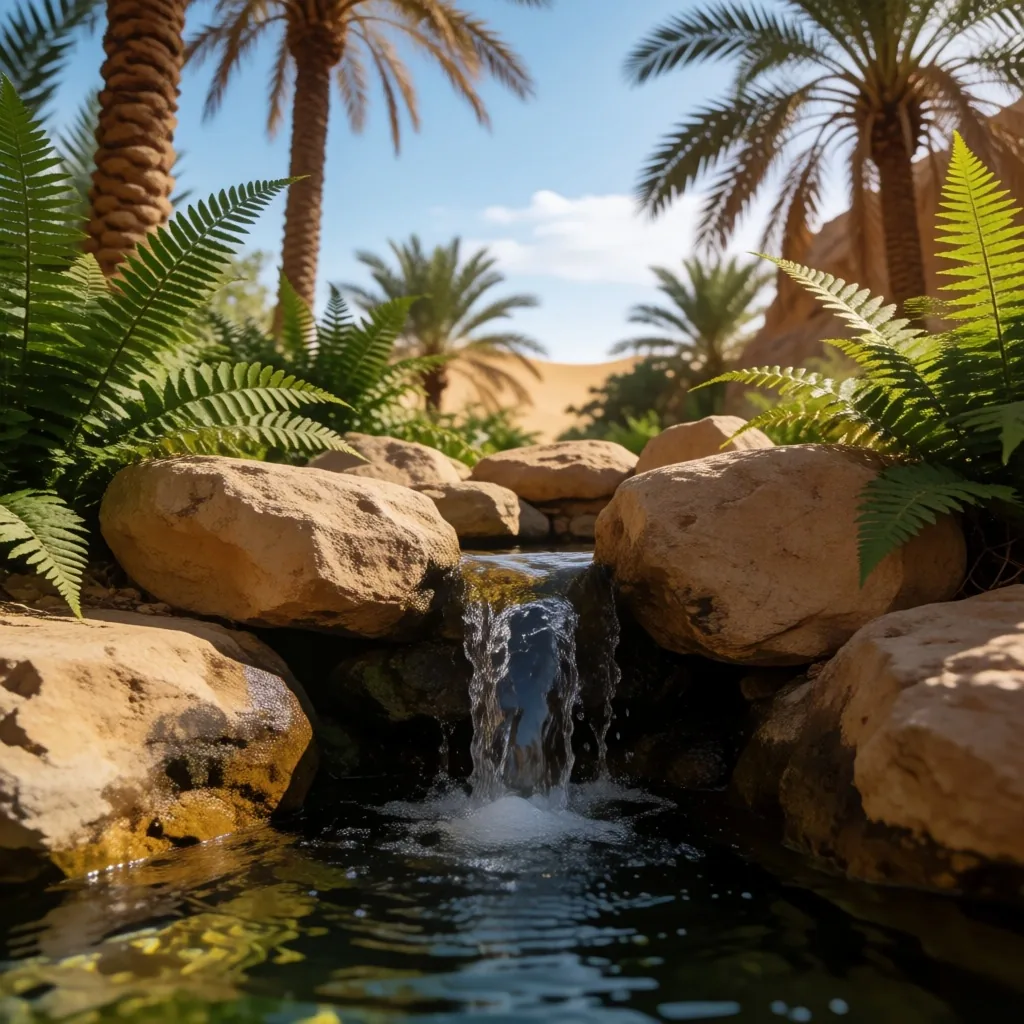
Many hidden villages sit near protected natural areas—mangrove channels, reef flats, and bird sanctuaries. This means the environment is part of the stay, not a day-trip destination. You walk out of your door and onto a trail.
Our egypt travelling guides highlight the walking paths and low-impact eco-routes that start at the village edge. Staying in a town that values its natural surroundings tends to make the whole visit more grounded. The trade-off is simple: less infrastructure, more habitat.
Food that tastes of where it is
The food in these villages is simpler than what you find in the larger resort kitchens, and better for it. Small family-run eateries serve grilled fish brought in that morning, lentil stews simmered through the afternoon, and bread baked in the hour.
Our travel guides into eg encourage visitors to try the local flavors. The communal nature of dining in these spots—a shared table, no menu, the dish of the day set in front of you—makes every meal feel like a small occasion rather than a transaction.
What to expect on the plateGrilled catch with lemon and cumin, lentil and grain stews, fresh flatbread, local olives, and seasonal fruit. Tea after. No fixed menu; the kitchen sends out what the morning provided.

After dinner, the dark
Away from city light, the night sky here is dense and clear. After the evening meal, the main activity is a slow walk along the waterfront or a conversation under the palms. No noise, no traffic, no glare.
Our travel guides into eg note the restorative pull of these quiet nights—better sleep, slower mornings, a reset that the larger towns cannot provide. The absence of late-night noise is one of the most common reasons visitors give for choosing a village stay over a resort block.
Getting there, plainly
Northbound coast
Several villages sit within two hours north of the regional hub. Shared vans run on set days; private cars can be arranged through the guesthouse.
Best for: travelers arriving by air who want a short transfer to a quieter base.
South Sinai reach
A handful of villages on the southern coast are reachable by road from the eastern hub. The final stretch is often a coast road—slow but straightforward.
Best for: visitors combining a Sinai stop with a Red Sea village stay.
Van, car, or boat
Shared vans run between villages on market days. Private cars can be hired for the day. For the most isolated bays, a boat from the village dock is often the cleanest route.
Best for: travelers who want to move between two or three villages during the stay.
We provide the logistical details so you can focus on the destination. Understanding the local transport options—whether a shared van on market day or a private car arranged through the guesthouse—helps the journey run smooth. Our travel guides list the road conditions, transfer times, and the days the shared vans actually run.
Depth over surface
Choosing a hidden village over a traditional resort is a choice for depth. It allows you to see the real coast, interact with the people who live there, and experience the natural environment without a filter layer between you and it.
Our egypt travelling guides aim to help you make that choice with honest, detailed information about what to expect—the quiet, the simplicity, and the occasional inconvenience that comes with staying somewhere real. We believe these smaller spots offer the most rewarding experiences for the curious and respectful traveller.
Continue the route
Red Sea Shores
The broader shoreline guide—from the main hubs to the quieter coves that sit between them.
View mapsTop Scenic Locations
A compiled list of the most visually striking coastal and inland spots, with notes on access and light.
Get in touchContact Guidance
Reach us with questions about village access, transport days, or specific bays. Mon–Fri, 09:00–18:00.
An Nasr Rd, Al Aziziyah
Riyadh 14512, Saudi Arabia