A Traveller's Guide to the Nile
The Scenic Landscapes of the Nile River Valley
Follow the river's green corridor through fertile fields, ancient groves, and villages where the day still moves with the current.
The River Corridor
More Than a Waterway
The Nile River is the lifeblood of a civilization and a corridor of immense natural beauty. For a traveller into Egypt, the riverbanks offer a verdant contrast to the surrounding desert, featuring lush fields, ancient groves, and a constant flow of traditional river traffic. Our travel guides take you along the scenic stretches of the Nile, focusing on the landscape and the peaceful rhythm of the river.
This journey provides a unique perspective on the country's geography and the daily lives of the people who live along its shores. From the high limestone cliffs that frame the valley to the small islands dotted with tropical vegetation, every bend in the river reveals a new layer of life that has remained tied to the water for thousands of years. The eg travel guides gathered here focus on what you can actually see, hear, and feel walking along the banks or drifting on a wooden boat with the wind.
Length
6,650 km
The Nile flows north through eleven countries before reaching the Mediterranean coast.
Valley Width
19 km
The fertile strip rarely exceeds this breadth, bounded by cliffs on both sides.
Direction
South to North
One of the few major rivers on Earth flowing toward the equator's opposite pole.
What This Guide Covers
- → The geography of the riverbanks and the sharp divide between green valley and brown desert
- → Traditional felucca sailing boats and how to experience the river quietly
- → Agricultural life, seasonal rhythms, and the crops that line the banks
- → River islands, native flora, birdwatching, and rural villages
Chapter One
The Geography of the Riverbanks
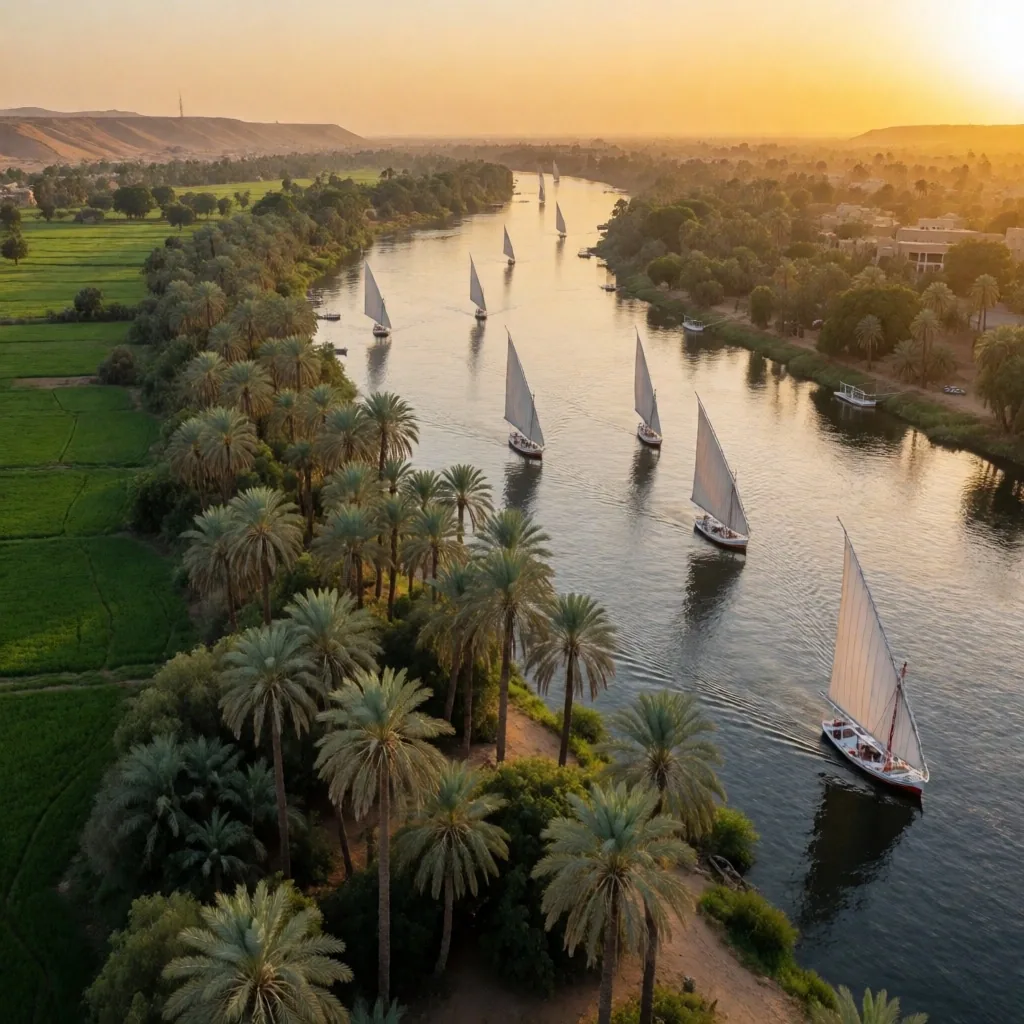
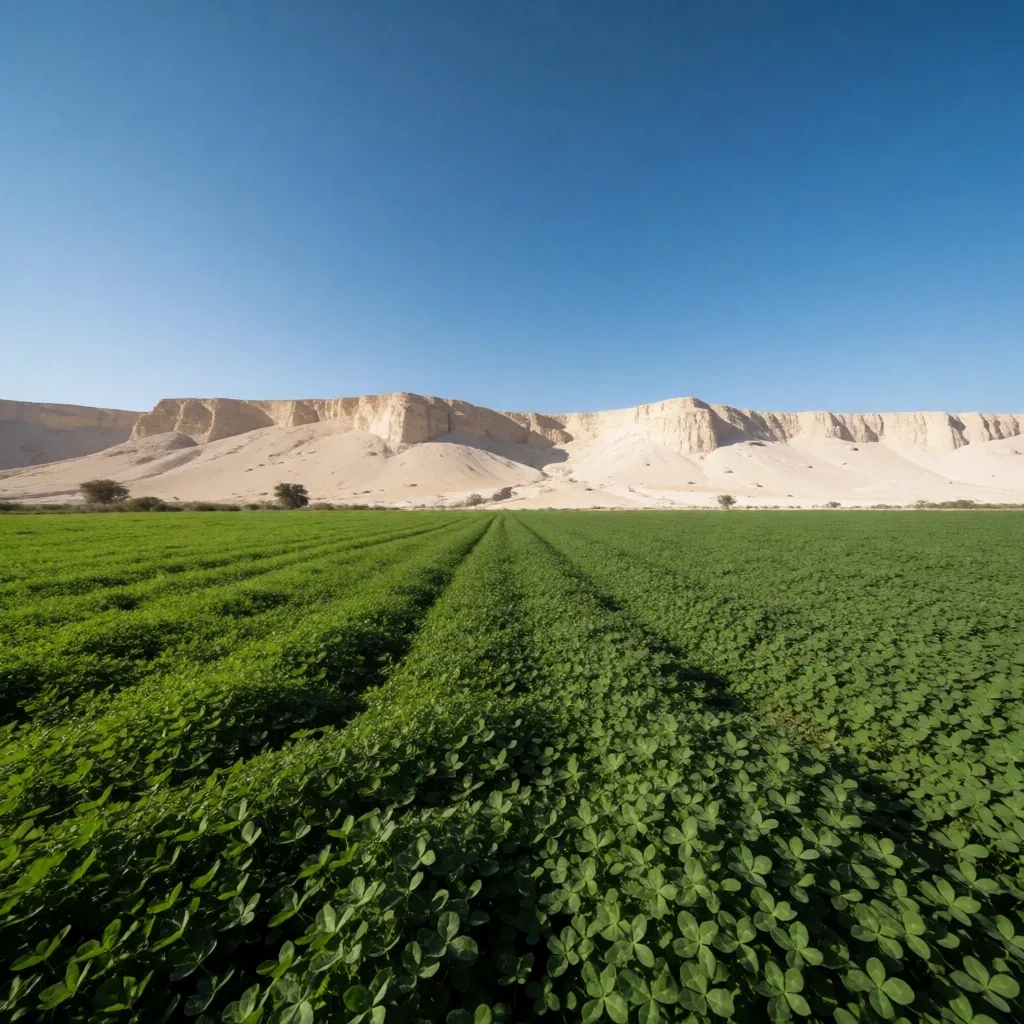
The Nile Valley is a narrow strip of fertile land that follows the river's path, bordered on both sides by high limestone cliffs or rolling desert hills. This sharp divide between the green valley and the brown desert is one of the most recognizable geographic features in the world.
Our eg travel guides describe how the river's annual cycle has shaped the land and the agricultural practices of the region. Walking along the banks provides a firsthand look at this delicate environmental balance, where a few hundred meters can mean the difference between a lush sugarcane field and bare stone.
The cliffs themselves tell their own story. Cut by ancient floodwaters and scoured by wind over millennia, they rise sharply from the valley floor and provide a dramatic backdrop to the river scene. In some stretches they are sheer vertical walls; in others they slope gently as rolling hills before meeting the flat expanse of the desert plateau.
Chapter Two
Traditional River Craft: The Felucca
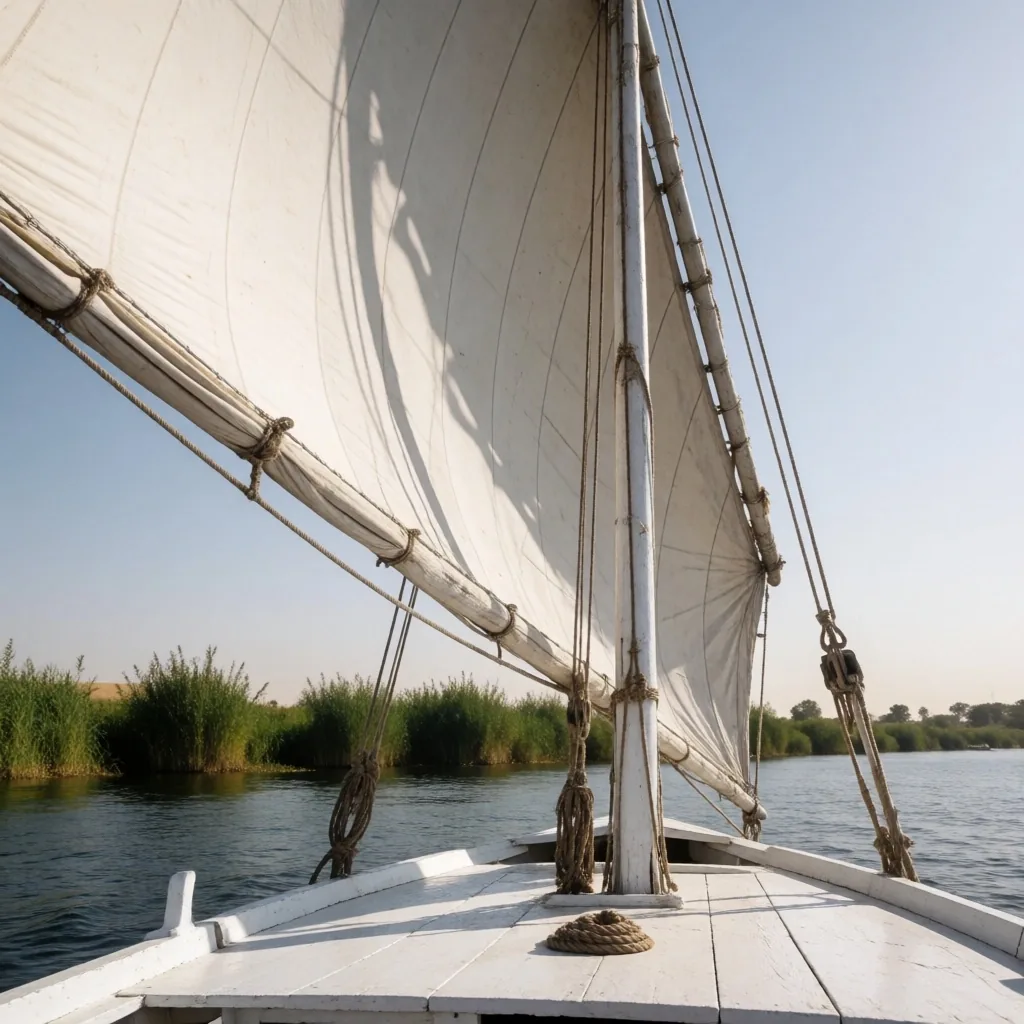
One of the most peaceful ways to experience the Nile is by boarding a traditional wooden sailing boat known as a felucca. These vessels rely entirely on the wind and the current, moving at a pace that allows you to fully appreciate the scenery.
Our travel guides into eg emphasize the quietude of a felucca trip, where the only sounds are the water lapping against the hull and the rustle of the sail. It is a timeless experience that connects you directly to the river's history. The captains navigate by instinct and decades of reading the current, adjusting the large lateen sail to catch shifts in the breeze that most travelers would never notice.
A typical outing lasts two to three hours. You drift past fields and palm groves, passing other boats carrying produce or families out for an evening sail. There is no engine noise, no rush, and no fixed schedule. The river sets the tempo.
What to Expect On Board
Power
Wind and current only
Crew
One captain, one helper
Best Time
Late afternoon to sunset
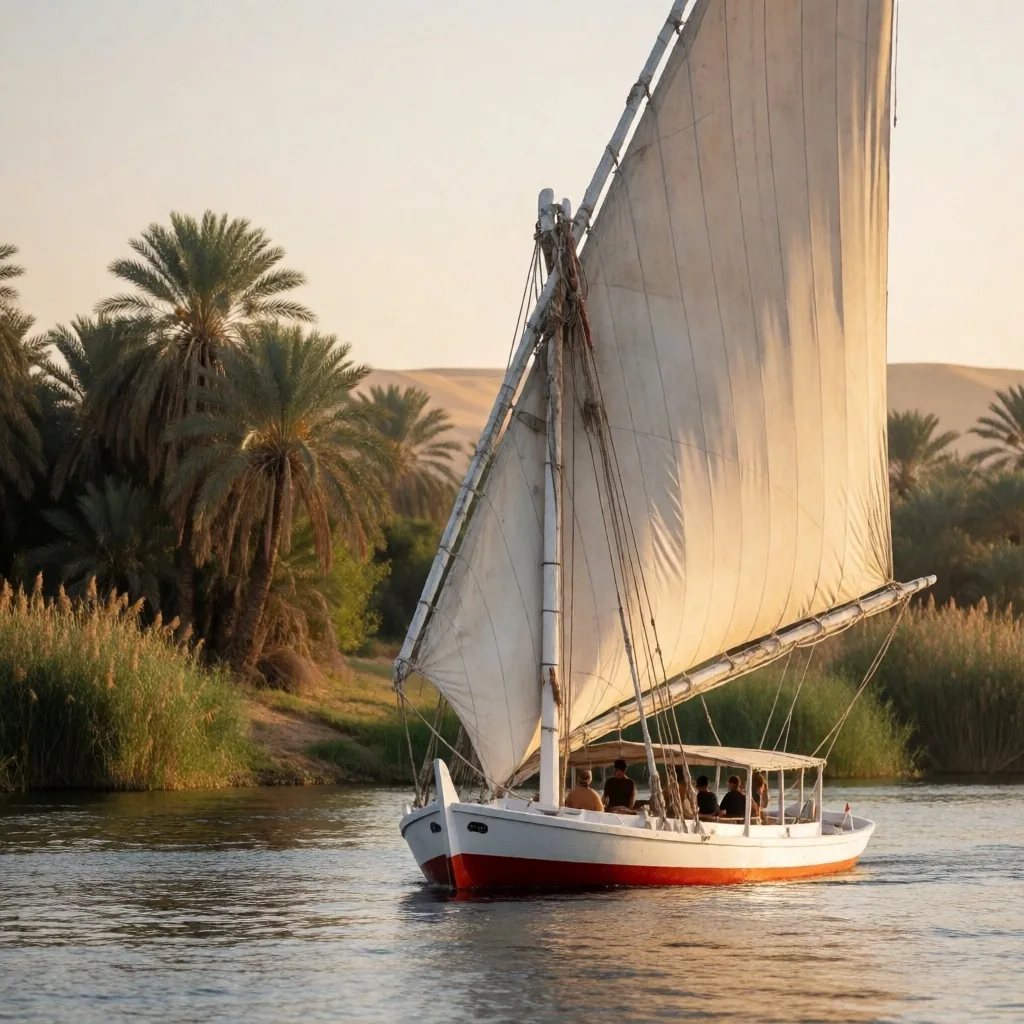
A felucca drifts past the palm groves near the west bank
Chapter Three
Agricultural Life and Seasonal Rhythms
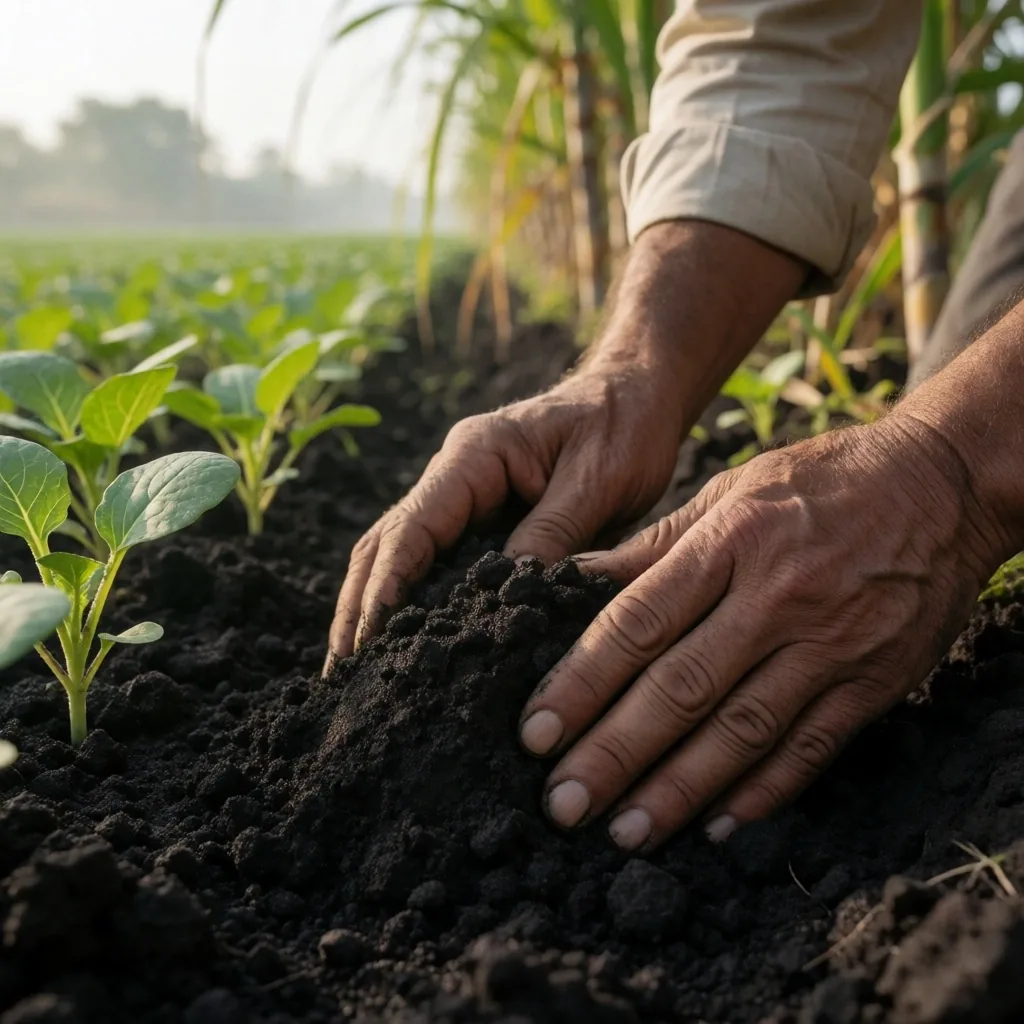
The land along the Nile is meticulously farmed, with plots of sugarcane, wheat, and vegetables creating a patchwork of different greens. Farmers still use many traditional methods, including water wheels and hand-tilling, to manage their crops.
Our egypt travelling guides look at the seasonal nature of this work and how the river dictates the timing of planting and harvest. Observing this connection between the people and the land is a core part of the Nile experience. The cycle has governed life here for millennia, and it continues to shape everything from what appears on the dinner table to when festivals are held.
In the cooler months, the fields turn a vivid green with newly planted crops. By late spring the wheat stalks dry to gold, and the sugarcane stands tall and thick along the canal banks. The water wheels, some of them wooden structures older than anyone living nearby, creak steadily as they lift water from the canals to the fields above.
Cane
Tall thick stalks line the canal banks, harvested in the cooler months and pressed for juice sold at roadside stalls.
Wheat
Planted in November and cut by hand in spring, the dry golden fields are a signature sight of the valley before harvest.
Vegetables
Small plots of tomatoes, onions, and leafy greens fill the gaps between larger crops, tended daily by family farmers.
Chapter Four
River Islands and Hidden Bends
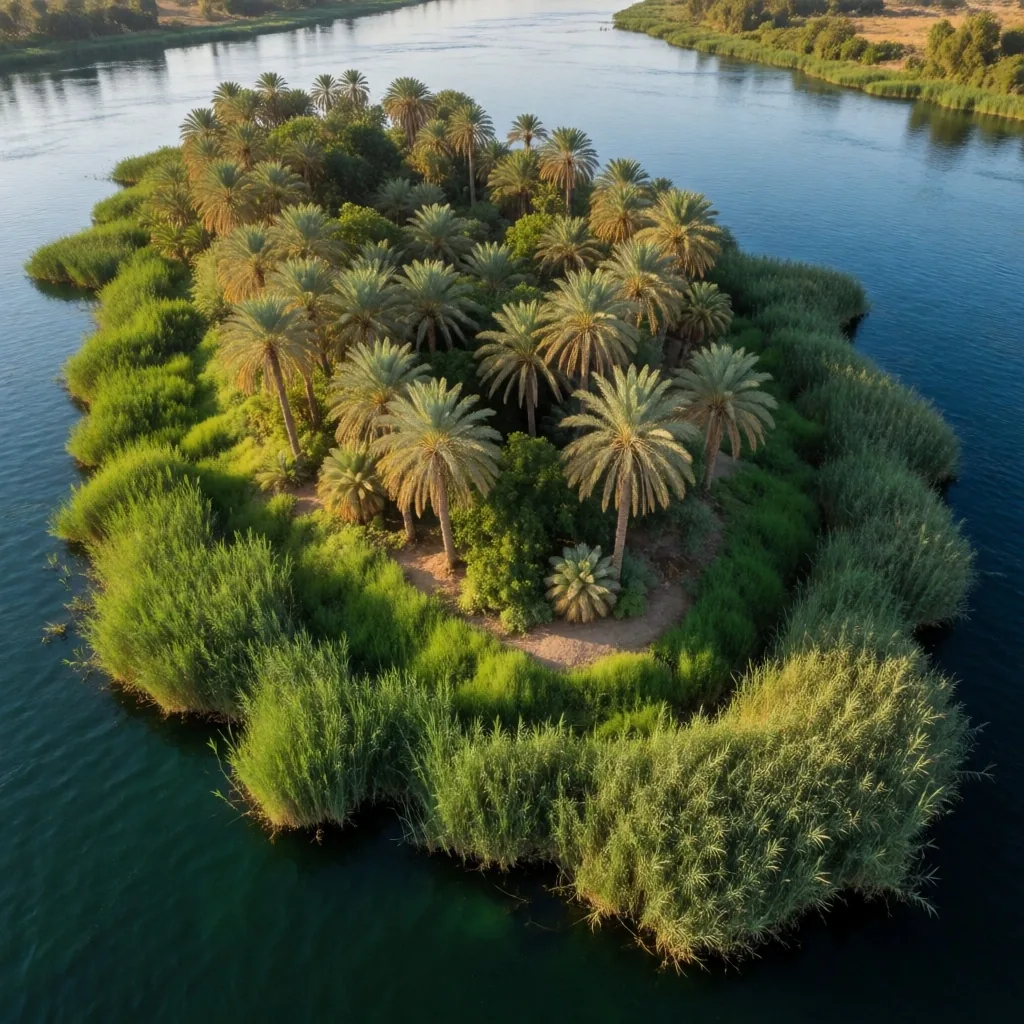
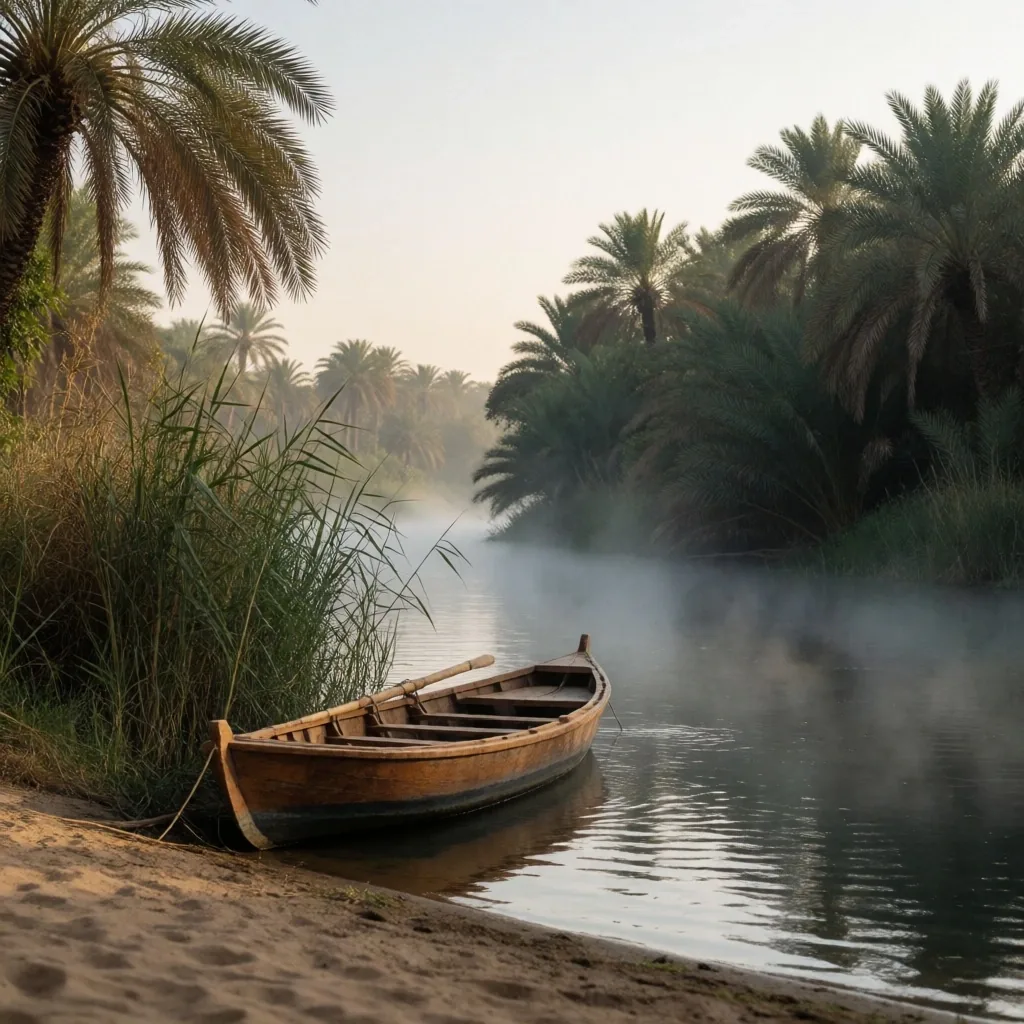
The Nile is dotted with numerous small islands, many of which are home to quiet villages and dense tropical vegetation. These islands often feel like worlds unto themselves, separated from the hustle of the mainland by the river's flow. Our eg travel guides identify some of the more scenic islands where you can find botanical gardens and bird sanctuaries, perfect for a quiet afternoon away from the main travel routes.
Vegetation
Dense thickets of reeds, palms, and acacia create a barrier that muffles sound from the mainland. Walking into an island's interior feels like stepping into a separate, quieter climate.
Villages
Some islands hold small communities reachable only by footbridge or boat. Life here runs at the pace of the ferry crossing, with livestock and children sharing the narrow paths.
Wildlife
The quieter islands serve as refuges for herons, kingfishers, and migratory birds that avoid the busier mainland banks. Early morning is the best time to see them feeding along the shore.
Chapter Five
The Flora of the Nile Valley
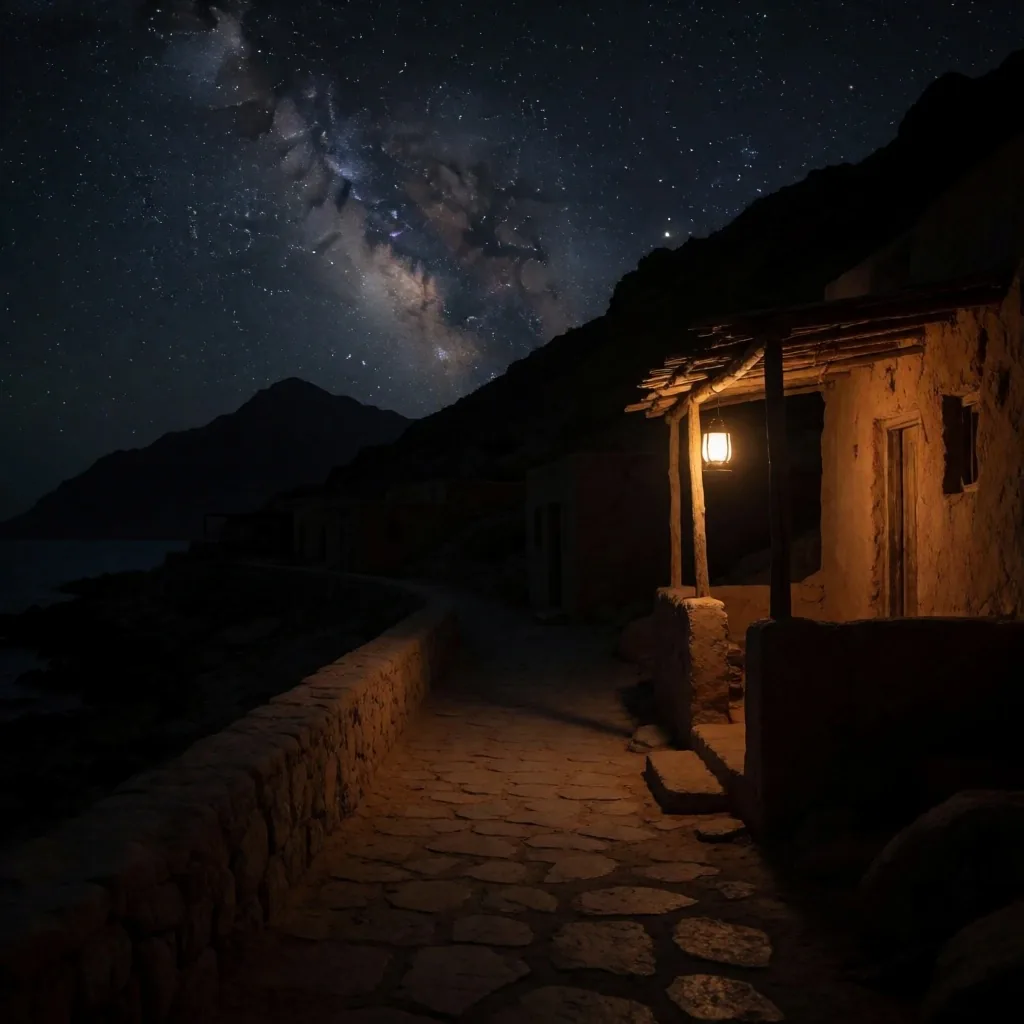
Beyond the crops, the Nile banks are home to a variety of native plants, including the iconic papyrus reeds and majestic sycamore fig trees. These plants have provided shade, building materials, and food for thousands of years.
Our travel guides into eg provide information on the various species you will encounter as you move along the river. The lushness of the valley is a constant source of wonder for those used to the more arid landscapes of the region. Where the desert offers stone and sand, the riverbanks burst with acacia, casuarina, date palms, and thick hedges of hibiscus that bloom red in the summer heat.
The sycamore fig is perhaps the most striking. These trees, with their pale trunks and wide canopies, are often found near village wells and canal junctions. They offer shade to farmers resting at midday and have done so for so long that some individual trees are locally known by name. The papyrus reeds, once used to make the earliest writing material, still grow in dense clusters along the quieter channels and provide cover for nesting birds.
Sycamore and papyrus
Chapter Six
Sunset Over the Water
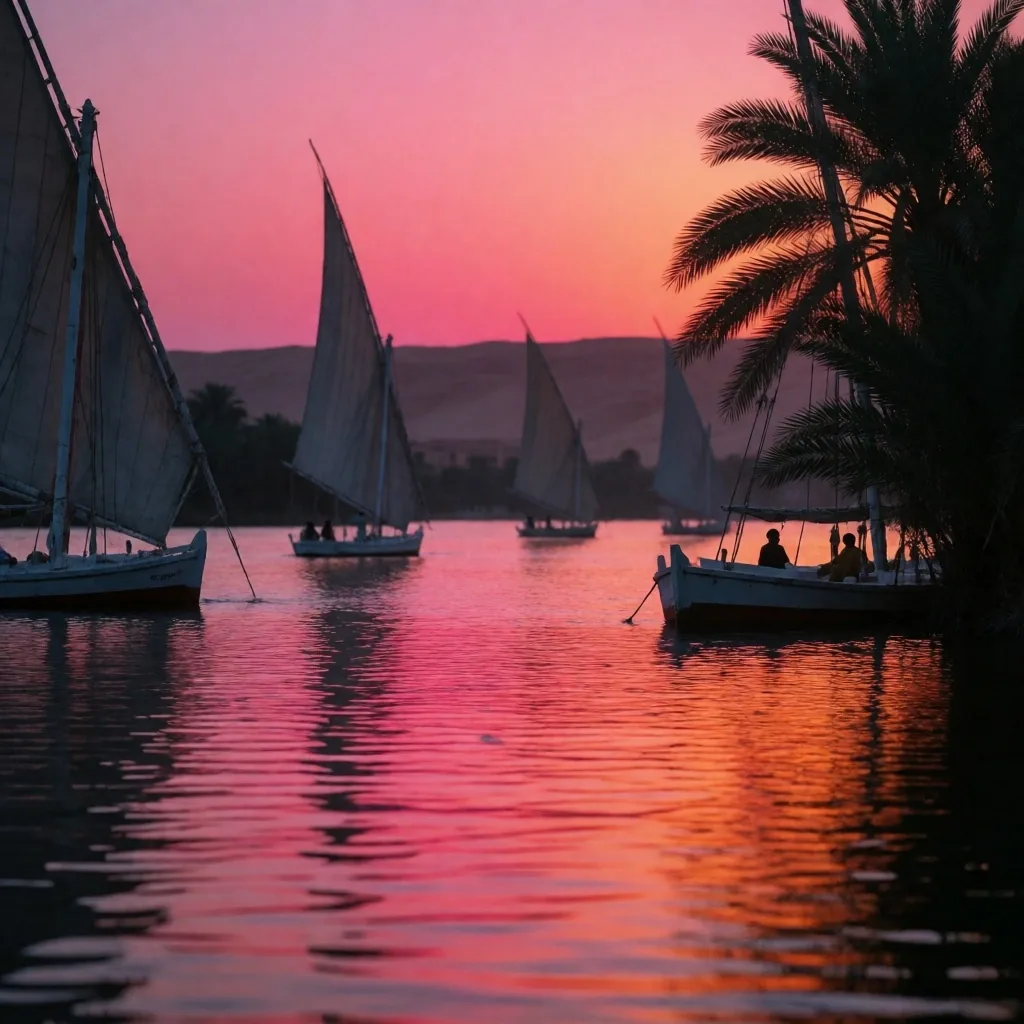
As evening approaches, the Nile reflects the changing colors of the sky, turning from deep blue to gold and pink. This is the most popular time for locals and visitors alike to gather by the water's edge or take a short boat ride.
Our egypt travelling guides suggest the best locations for viewing the sunset over the river, whether from a high cliffside or a low-lying bank. The cooling air and the softening light make this a truly magical time of day.
Chapter Seven
Birdwatching Along the River
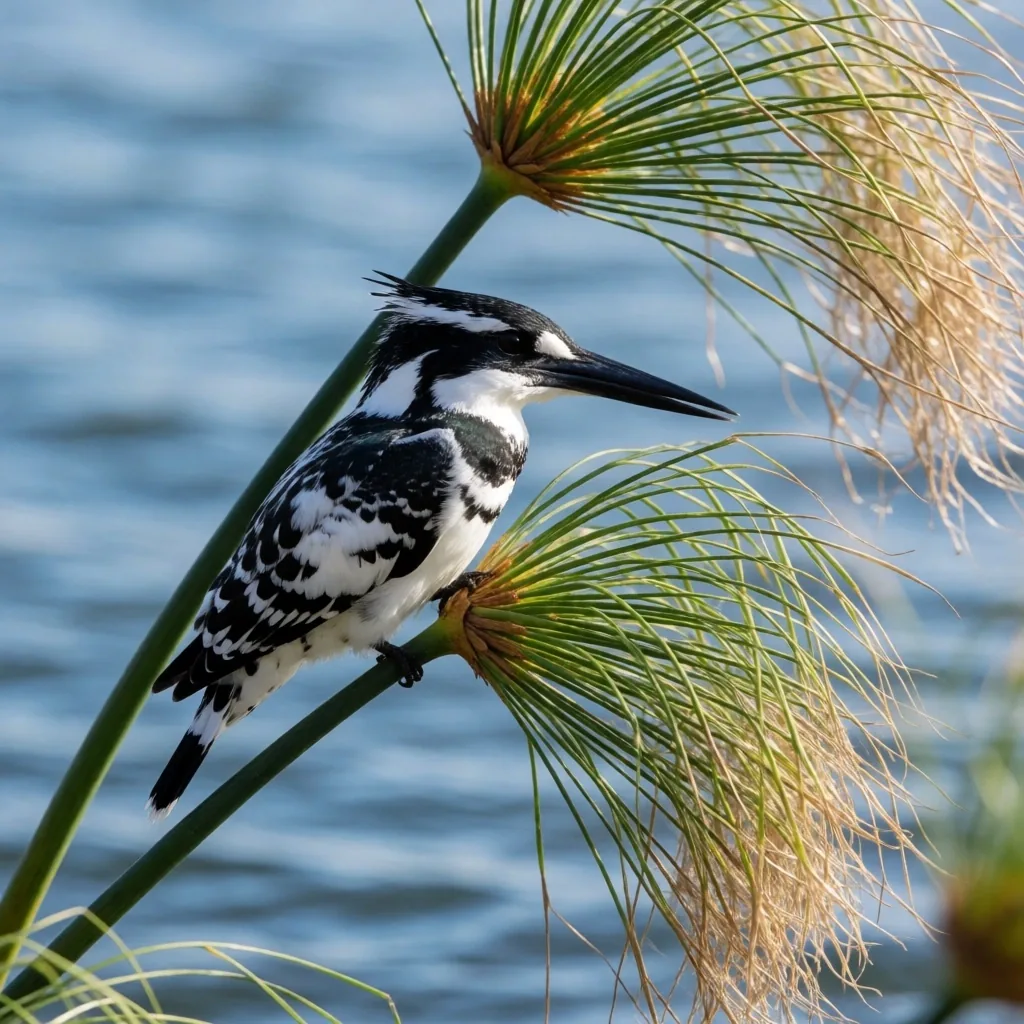
The Nile is a major corridor for migratory birds, and its banks and islands are teeming with avian life year-round. From kingfishers darting over the water to herons standing patiently in the shallows, there is always something to see.
Our eg travel guides are helpful for identifying the various species that call the river home. The river's ecosystem supports a high level of biodiversity that is fascinating to observe, and the variety shifts with the seasons. In autumn and spring, flocks of storks and cranes follow the river south or north, resting on the islands before continuing their journey.
Common Sightings
Kingfisher
Small and fast, dives from reed stalks for small fish near the bank.
Heron
Stands motionless in the shallows for minutes before striking at prey.
Egret
White and elegant, often seen in small groups wading in flooded fields.
Hoopoe
Distinctive crest and striped wings; forages on the ground near village gardens.
Swallow
Skims low over the water at dusk, catching insects in mid-flight.
Kite
Soars on thermals above the cliffs in the late morning, watching for prey.
Chapter Eight
Rural Villages and Hospitality
The small towns and villages that line the Nile are known for their welcoming atmosphere and traditional way of life. Many of these communities have remained largely unchanged for decades, offering a glimpse into the heart of rural Egypt.
Our travel guides into eg encourage respectful visits to these areas, where you can experience the local rhythm of life. The simplicity and warmth of these communities are often the highlight of a Nile journey. Visitors are frequently invited to sit for tea, share a plate of bread and cheese, or simply rest in the shade of a tree by the canal.
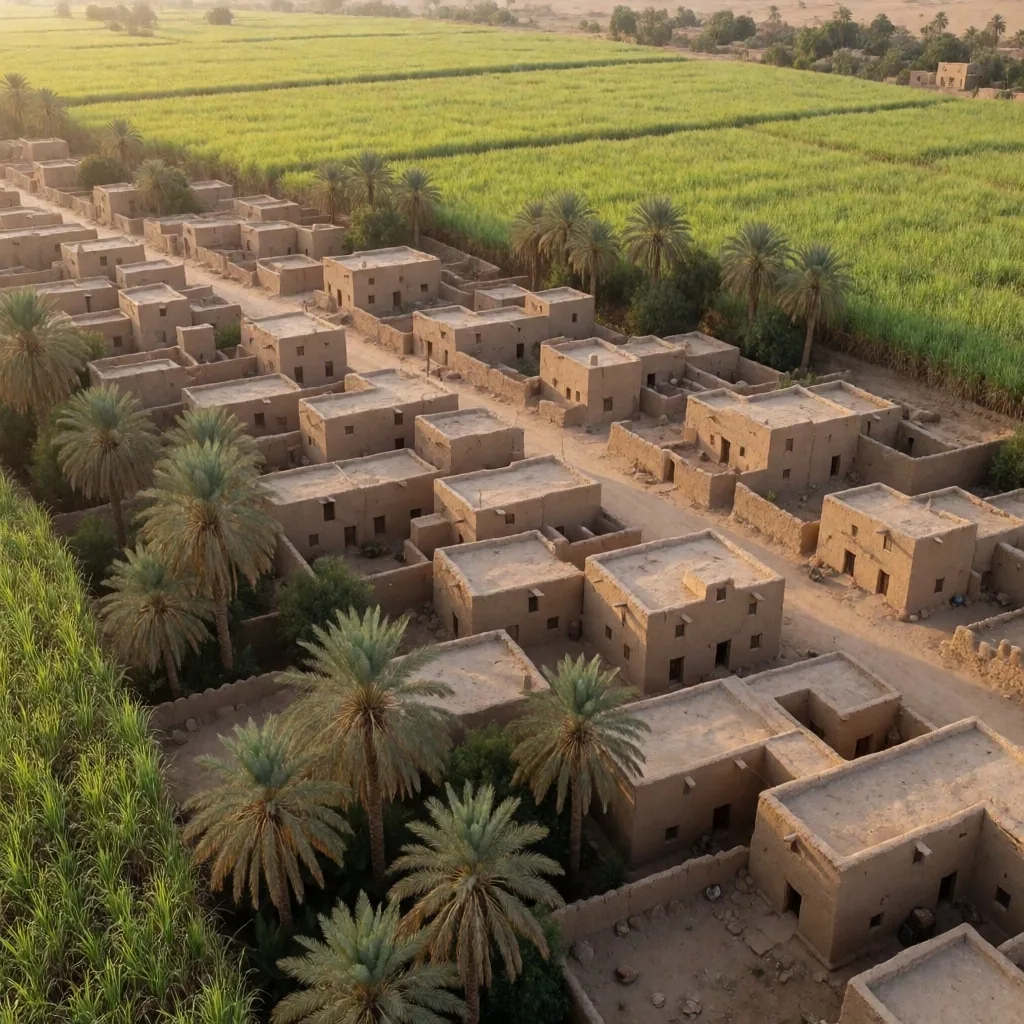
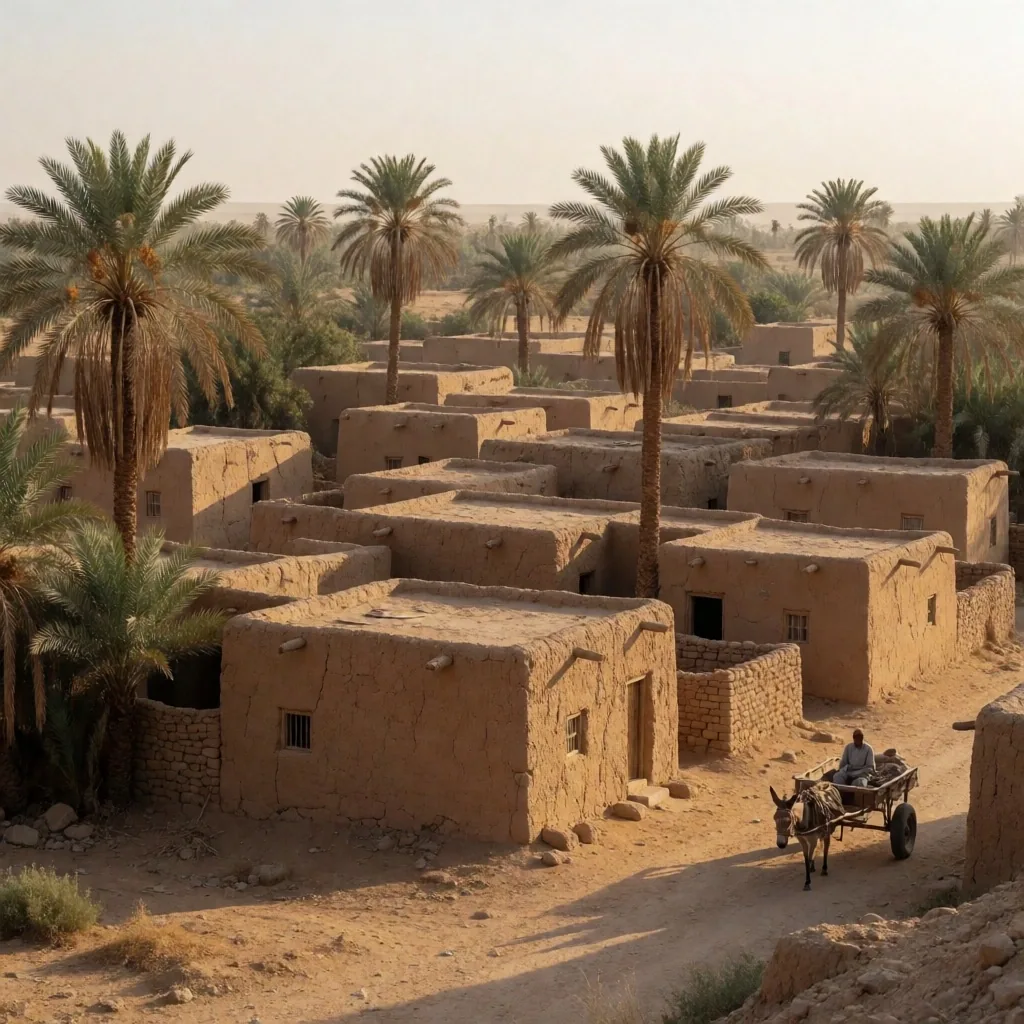
The houses are often built from mudbrick the color of the earth around them, with flat roofs where families sleep during the hot summer nights. Livestroom is common, and the streets are shared by children, donkeys, and the occasional water buffalo being led to drink. The pace is slow, the greetings are genuine, and the connection to the river is never far from sight.
Chapter Nine
Riverfront Promenades and Public Parks
In the larger towns along the river, the banks are often developed into beautiful promenades and public spaces. These areas are filled with locals enjoying the breeze, drinking tea, and socialising in the evenings. Our egypt travelling guides highlight these communal spots as great places to relax and observe the local culture. They offer a safe and pleasant environment for a stroll at any time of day.
Morning
The promenades are quietest at dawn. Joggers and walkers share the path with fishermen mending nets, and the air smells of canal water and fresh bread from nearby ovens opening for the day.
Best for: Solitude, photography
Midday
As the sun climbs, the cafés fill with people seeking shade under awnings and trees. Tea glasses clink, backgammon boards snap shut, and the river shimmers white under the high-noon light.
Best for: People-watching, tea
Evening
After sunset, families come out in force. The promenade becomes a slow-moving procession of strollers, children on bicycles, and vendors selling roasted corn and sweet potatoes from carts.
Best for: Local atmosphere, food
Chapter Ten
Navigating the River Valley
Travelling along the Nile can be done by train, road, or boat, with each method offering a different view of the landscape. The train route, in particular, follows the river closely and provides a panoramic view of the fields and villages. Our eg travel guides provide practical advice on how to move between the different scenic spots in the valley. Planning your route carefully allows you to see the maximum diversity of the river's many faces.
By Train
The Railway Line
The rail line stays close to the river for hundreds of kilometers, offering a continuous panorama of fields, villages, and palm groves from a wide window. It is the most efficient way to cover long stretches while still seeing the valley.
Best for: Long-distance sightseeing
By Road
The Agricultural Road
The main road runs parallel to the river on the valley floor, passing through farming communities and small towns. It offers flexibility to stop at villages, canal bridges, and roadside stalls selling fresh fruit and sugarcane juice.
Best for: Village stops, flexibility
By Boat
On the Water
Feluccas and larger boats give you the river's own perspective, drifting past banks invisible from the road. Multi-day routes between towns are possible, anchoring at islands and villages along the way.
Best for: Immersion, slow travel
Continue the Journey
The River Keeps Moving
These travel guides into eg are one chapter of a larger route across Egypt's landscapes. The Nile connects to the Red Sea shores, the desert oases, and the Sinai highlands. Each waterway, coast, and valley has its own rhythm worth following.
More Guides
These egypt travelling guides are part of a wider collection covering the shores, oases, and highlands of the region. Each route is written from direct observation and kept free of commercial language.