Saudi Egyptian Gateway — Sinai
Mountains, Canyons, and High Desert
The Rugged Interior
A Land of Dramatic Contrasts
The Sinai Peninsula is a land of dramatic contrasts, where jagged granite peaks rise sharply from the sea and deep canyons hide secret pools of water. For the active traveller into Egypt, Sinai offers a rugged landscape that is perfect for exploration and spiritual quietude.
Our travel guides focus on the mountainous interior and the unique geological formations that make this region a standout destination. Whether you are interested in a challenging hike or simply want to witness the grandeur of the high desert, Sinai provides an unforgettable backdrop.
Landscape
Granite massifs, sandstone canyons, and dry wadi riverbeds define the interior. Elevations shift the air from humid coast to crisp mountain cool.
Climate
Days are mild in spring and autumn. Winter nights can drop below freezing on the highest peaks, occasionally bringing snow to the summits.
Guidance
Bedouin communities maintain the trails and hold unmatched knowledge of the land. Local guides open corners of the mountains no map reveals.
Chapter 01 — The Granite Heights
The High Mountain Region
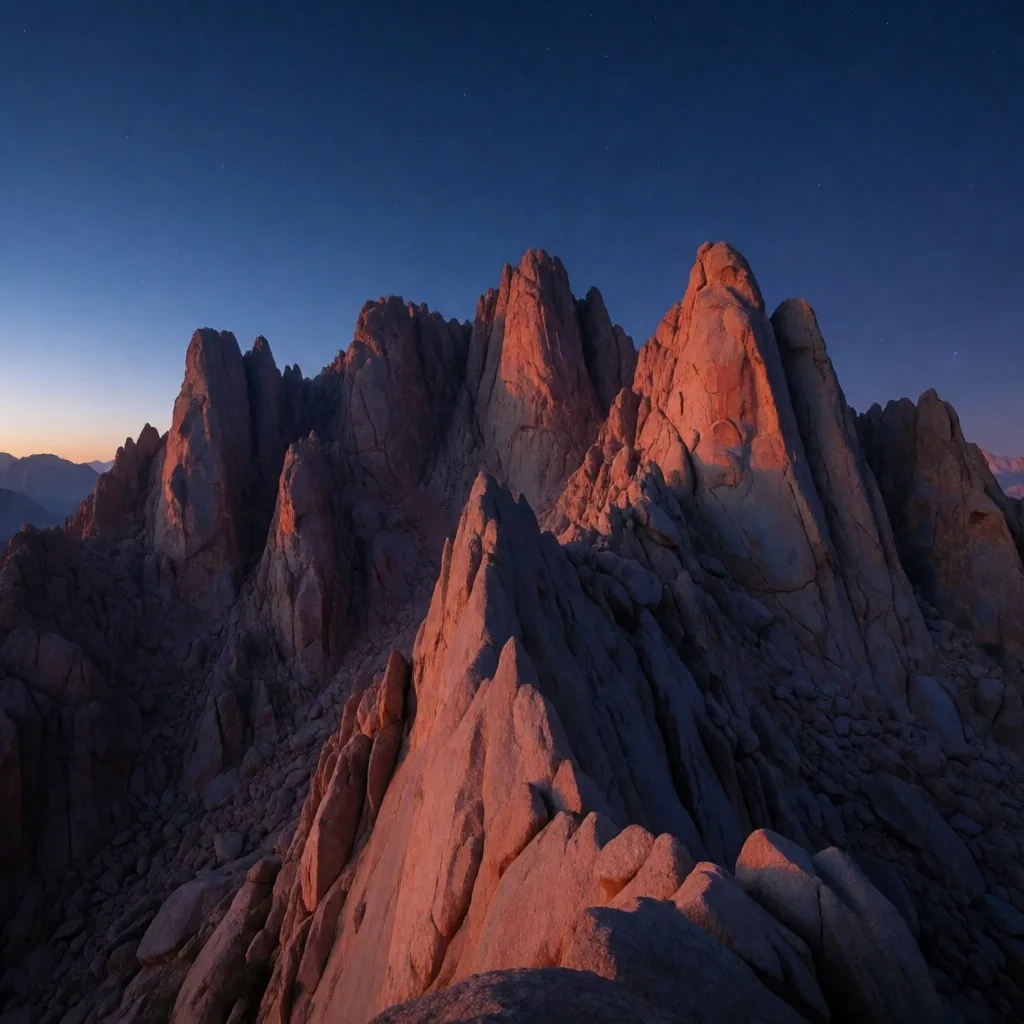
The heart of the Sinai is dominated by a massive granite massif that includes some of the highest peaks in the region. These mountains are characterized by their red and grey hues, which change dramatically depending on the angle of the sun.
Our eg travel guides describe the paths that lead through these heights, offering views of the surrounding desert that stretch to the horizon. The air at these elevations is crisp and cool, providing a sharp contrast to the humid coast below.
Morning light turns the granite faces a warm rose, while the late afternoon pulls deep amber and violet out of the stone. The rock itself seems to hold the heat of the day long after the sun has dropped behind the ridgeline, making evening walks along the upper plateaus a quiet and luminous experience.
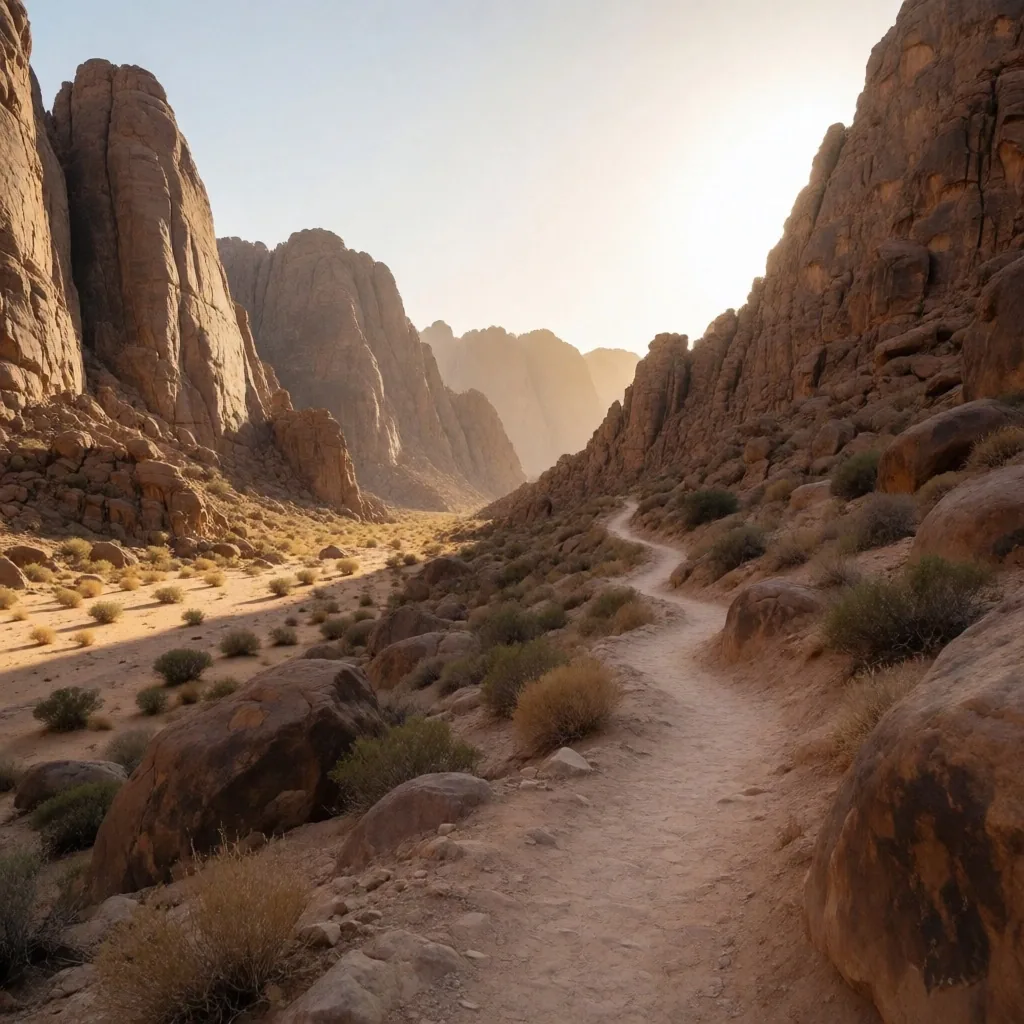
Granite faces above the wadi floor
Chapter 02 — The Narrow Gorge
The Colored Canyon and Its Geology
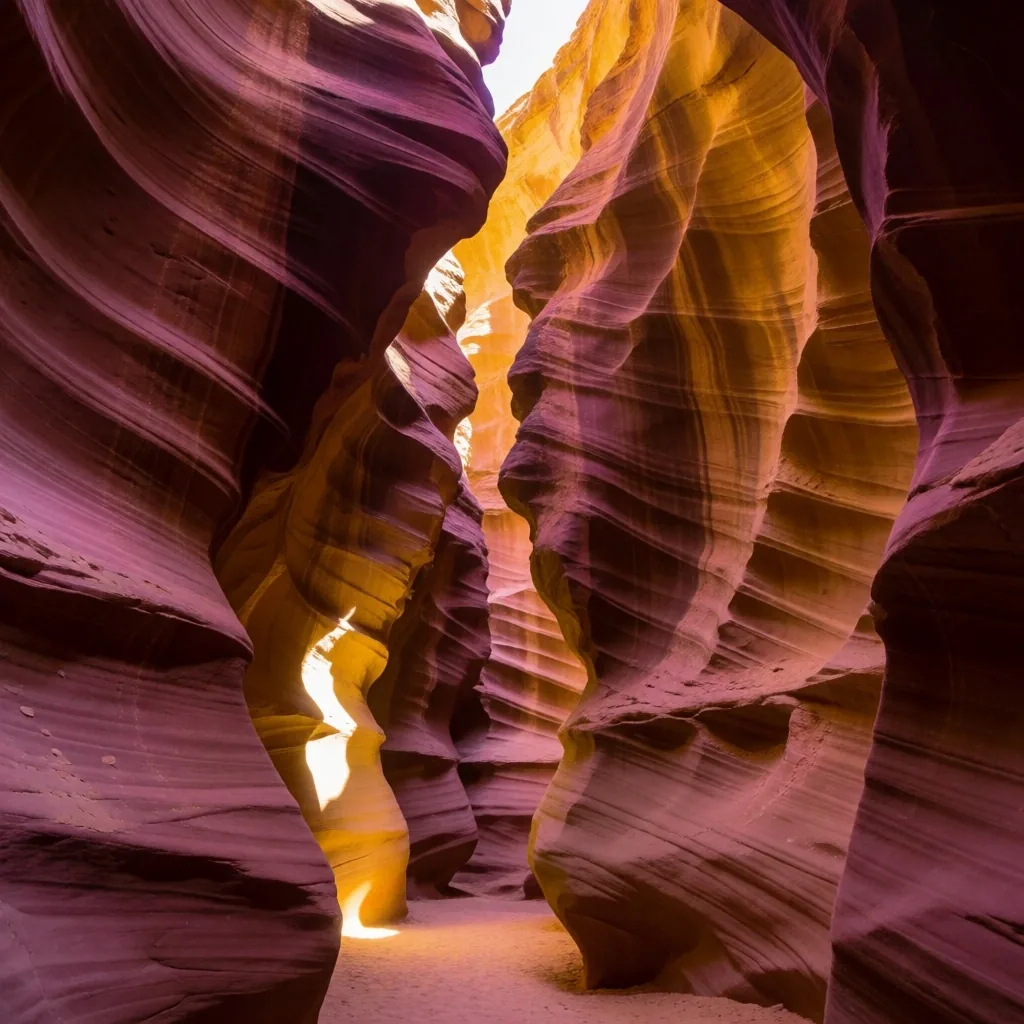
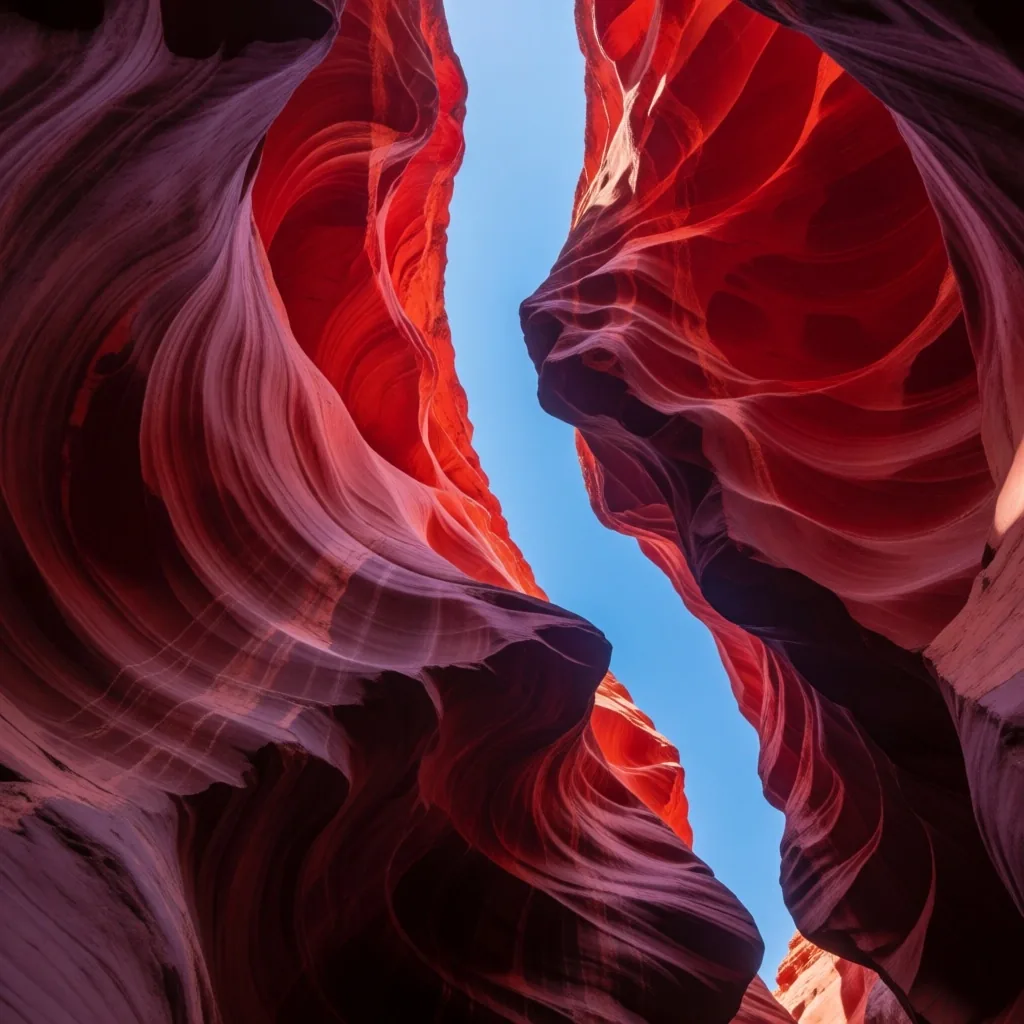
One of Sinai's most famous natural wonders is a narrow gorge where the sandstone walls are streaked with vibrant shades of red, purple, and gold. This canyon was formed over millions of years by the action of water, leaving behind a winding path that is a joy to explore.
Our travel guides into eg explain the geological processes that created these colors and the best times of day to see them at their most vivid. It is a place where the history of the earth is written in the rocks.
Chapter 03 — People and Plants
Bedouin Culture and Desert Flora
Bedouin Guidance
The mountains of Sinai have been the home of various Bedouin tribes for generations, and their knowledge of the land is unparalleled. Many of the trails and paths through the interior are still maintained by these communities, who continue to live in harmony with the desert.
Our egypt travelling guides touch upon the importance of the Bedouin in preserving the natural and cultural heritage of the peninsula. Engaging with local guides is the best way to see the hidden corners of the mountains safely.
A Bedouin guide reads the landscape the way a sailor reads the sea. They know where water collects after rain, which boulders offer shade at midday, and which passes remain navigable when the wind shifts. Walking with a guide transforms a route into a story.
Resilient Flora
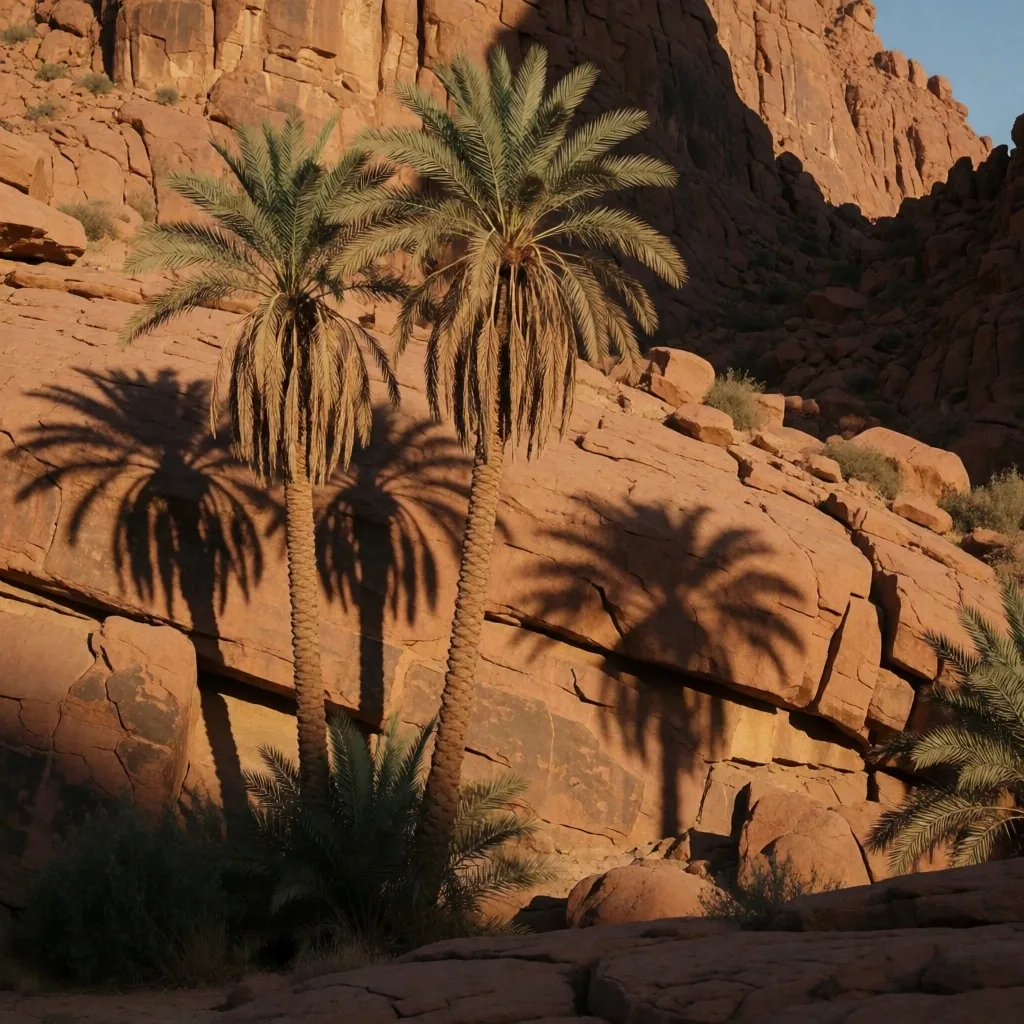
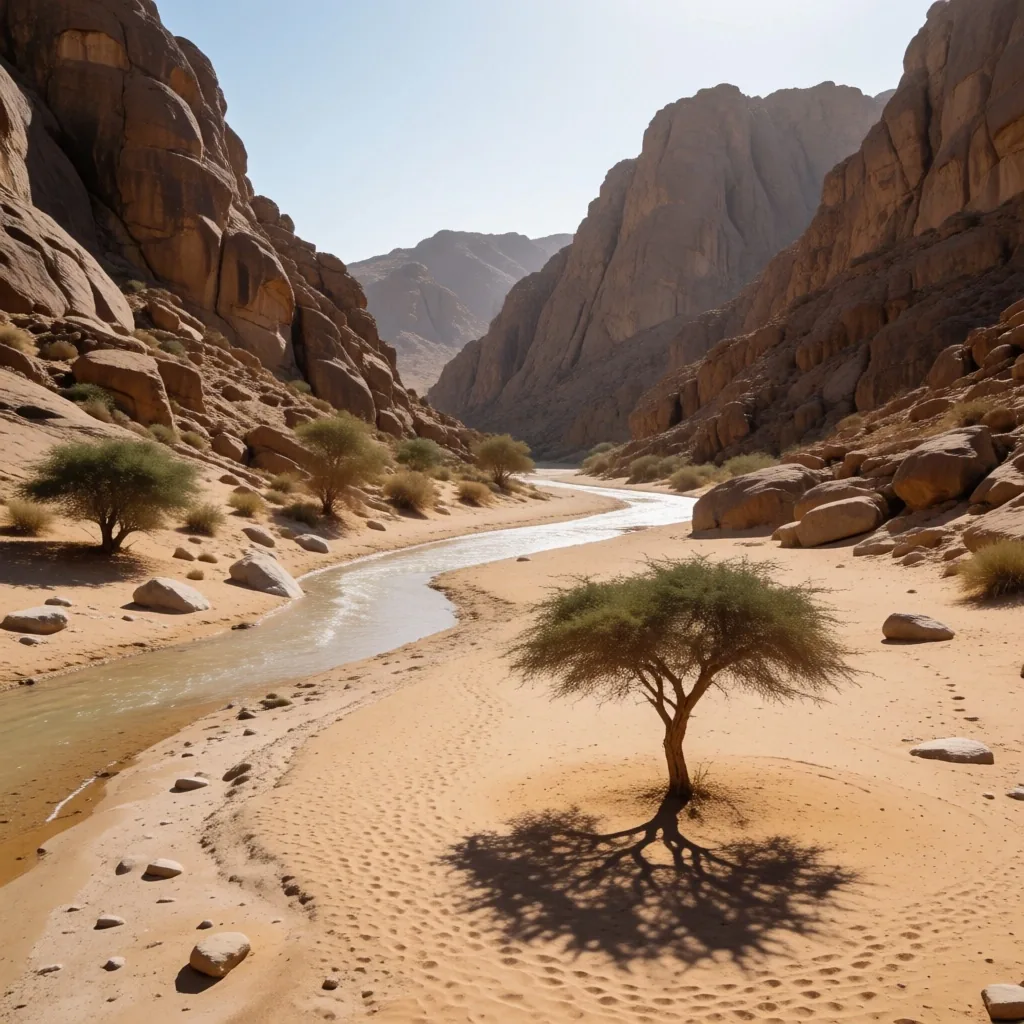
Despite the harsh conditions, the Sinai desert is home to a variety of resilient plants, many of which have medicinal properties used by the local people. From the aromatic herbs found in the high valleys to the hardy acacia trees that dot the plains, the vegetation is a testament to life's adaptability.
Our eg travel guides provide insights into the local flora and the role it plays in the desert ecosystem. Observing how these plants survive with minimal water is a fascinating part of any hike.
Acacia roots can reach thirty metres deep in search of moisture. Artemisia and thyme release scent when crushed underfoot, marking the transition from one valley to the next. Each plant is a small record of patience, shaped by decades of drought and rare, sudden rain.
Chapter 04 — Water in Stone
The Sound of Silence in the Wadis
The wadis, or dry riverbeds, that cut through the mountains are some of the most peaceful places on earth. When you walk deep into these valleys, the sounds of the modern world disappear, replaced by the wind and the occasional call of a bird.
Our travel guides into eg highlight specific wadis that are known for their scenic beauty and tranquility. These areas are ideal for those who seek a meditative experience in nature, where the rhythm of your footsteps on sand becomes the only measure of time.
Hidden Springs and Water Holes
In the most unexpected places, the Sinai mountains hide small springs and natural basins that collect rainwater. These galtas are essential for the survival of wildlife and have served as resting points for travellers for centuries.
Our egypt travelling guides point out the locations of some of the more accessible springs, which often feel like miniature oases. The sight of clear water in the middle of a rocky wilderness is always a refreshing surprise.
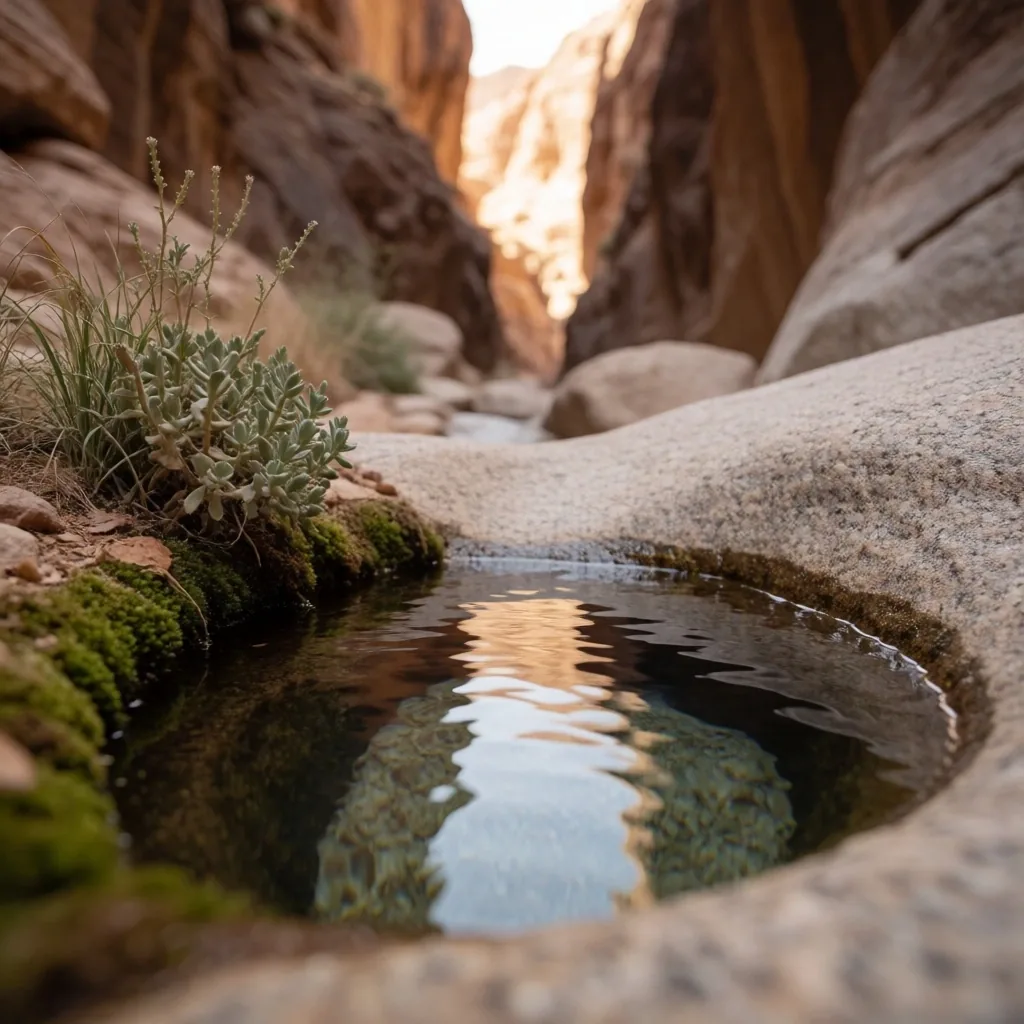
A galta among the granite
Chapter 05 — Night in the Heights
Stargazing and the Mountain Night
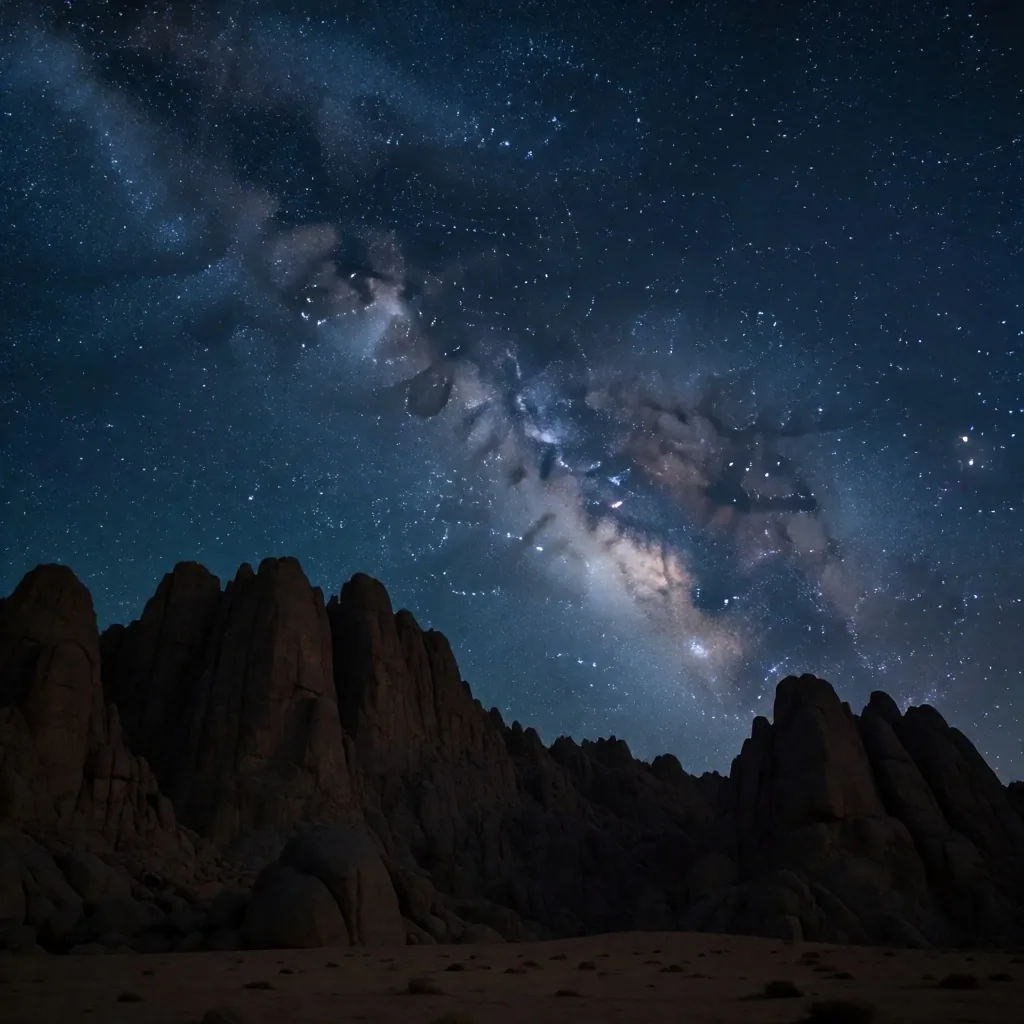
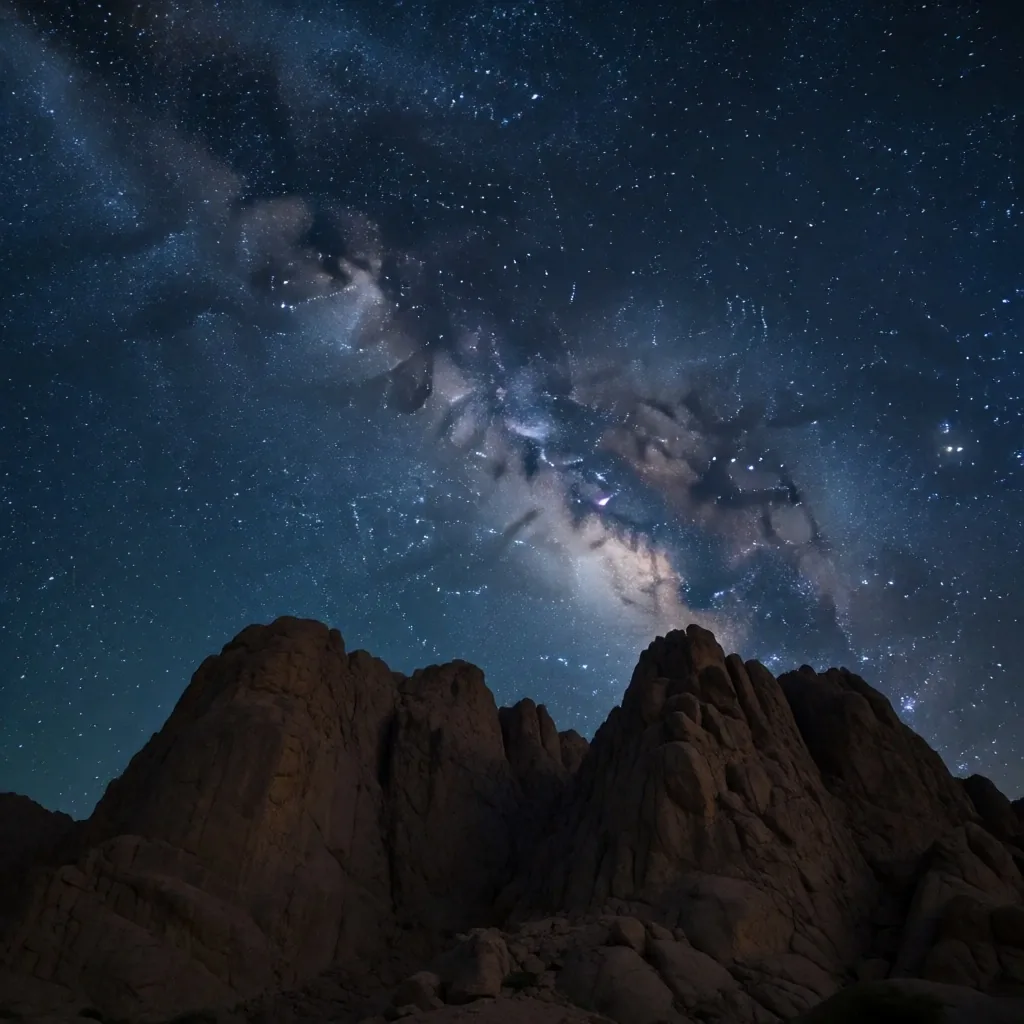
Because of the high elevation and the lack of human settlements, the night sky over the Sinai mountains is incredibly clear. The stars seem much closer and brighter than they do from the coast, making it a premier location for amateur astronomers.
Our eg travel guides recommend spending a night under the stars in a traditional desert camp to fully appreciate the celestial display. The transition from the golden light of sunset to the deep blue of the starry night is a profound experience.
Chapter 06 — Where Rock Meets Water
Coastal Fringes and Sea Views
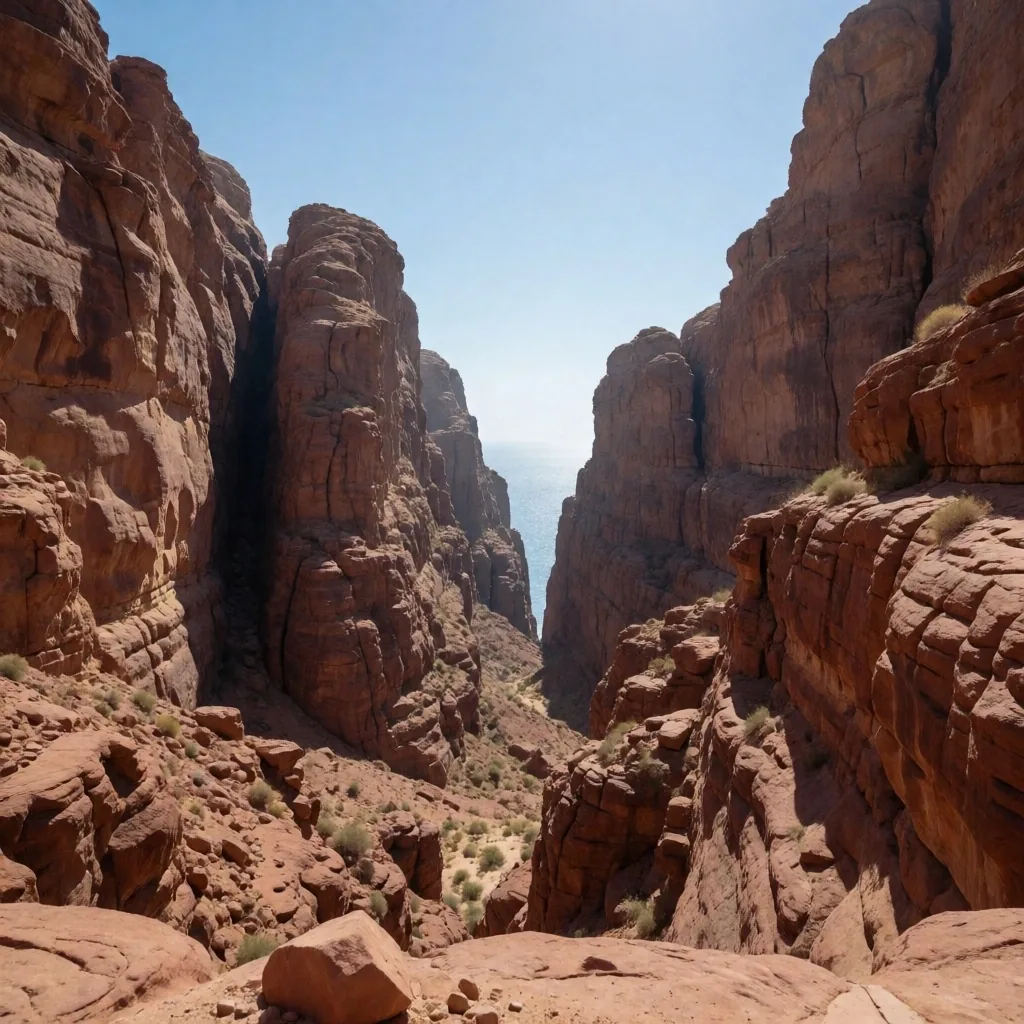
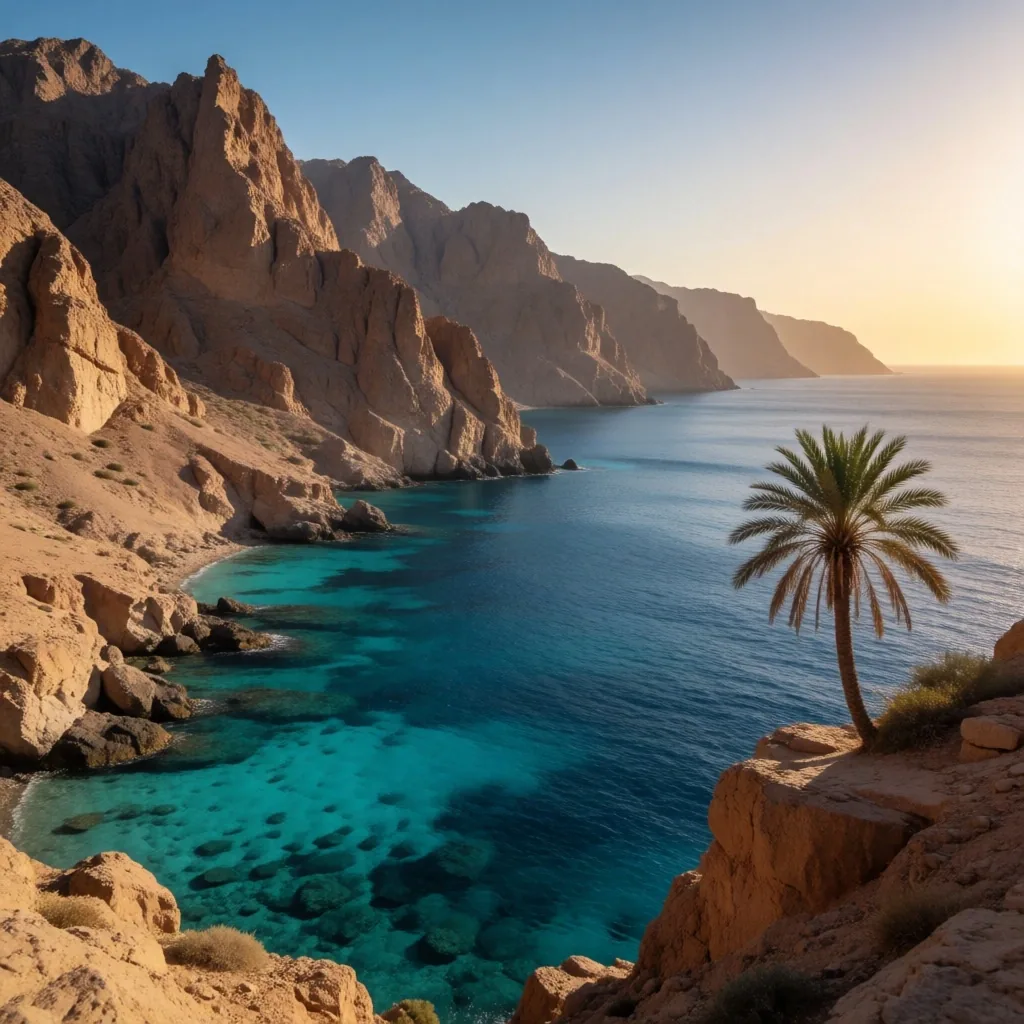
The mountains of Sinai often run right down to the edge of the Red Sea, creating dramatic cliffs that overlook the water. From these vantage points, you can see across the gulf to the distant mountains of Saudi Arabia.
Our travel guides into eg identify the best spots for combining a mountain walk with a view of the sea. This unique combination of alpine and maritime landscapes is one of Sinai's most appealing features.
A morning trail along the coastal cliffs can end with your feet in the water by noon. The same granite that forms the high peaks continues underwater as coral shelves, making the transition from trail to shore a natural continuation of the landscape rather than a break from it.
Chapter 07 — Preparation
Safety and Seasonal Wisdom for Hikers
Safety in the Interior
The rugged terrain of the Sinai demands respect and careful preparation. We provide travel guides that cover the essentials of hiking in the desert, from route planning to gear selection.
-
01
Carry enough water
Plan for four to six litres per person per day in warm conditions. The dry mountain air dehydrates faster than humid coastlines.
-
02
Wear sturdy boots
Loose scree and sharp granite edges will cut through thin soles. Ankle support matters on the descents through broken rock.
-
03
Share your route
Let someone know your intended path and expected return time before heading into remote areas. Mobile signal is unreliable in the interior wadis.
-
04
Watch the weather
Flash floods can fill dry wadis within minutes of distant rainfall. Check conditions before committing to a canyon route.
Seasonal Calendar
Sinai experiences a wide range of temperatures throughout the year, with snow occasionally falling on the highest peaks in the winter. The best time for mountain exploration is usually during the spring and autumn.
Oct–Nov
Autumn brings mild days and cool nights. Water is scarce after the long dry summer, but trails are clear and temperatures are ideal for walking.
Dec–Feb
Winter nights can drop below freezing at elevation. Snow occasionally dusts the highest summits. Carry warm layers and expect shorter daylight hours.
Mar–Apr
Spring is the strongest season for mountain hiking. Desert blooms appear after winter rains, and daytime temperatures sit in a comfortable range.
May–Sep
Summer heat makes interior hiking difficult. Coastal areas remain manageable, but the high mountain trails are best left to early morning or avoided entirely.
Our egypt travelling guides provide a seasonal calendar to help you plan your trip according to the local climate. Understanding these cycles ensures you are dressed and prepared for the conditions.
Continue the Journey
Where the Sinai Meets the Sea
Need Guidance?
Talk to Us About Sinai
Whether you are planning a canyon walk, a mountain overnight, or a coastal route from the cliffs to the sea, we can help you understand the terrain and the season before you set out.
Contact a GuideAddress
An Nasr Rd, Al Aziziyah
Riyadh 14512, Saudi Arabia
Phone
+966549068643
Mon–Fri: 9:00–18:00
More Resources