Palm forests, thermal springs, and silence beyond the coast.
Desert Oasis Escapes & Springs
Inland basins west and east of the Nile Valley, reachable by desert road from major cities.
Palm groves, mineral springs, salt flats, and dune fields framing each settlement.
Travellers who want silence, geology, star-filled skies, and a slower daily rhythm.
Beyond the blue horizons of the coast lies the vast and silent beauty of the Egyptian desert, home to remarkable oases that have served as havens for travellers for millennia. These inland escapes offer a completely different atmosphere from the seaside, characterized by lush palm forests, natural mineral springs, and a slower, more traditional way of life. For the traveller into Egypt seeking a unique experience, the oases provide a chance to see how life flourishes in the heart of the arid wilderness. Our travel guides explore the geography and the serene environment of these hidden gems.
The Geology of Natural Springs
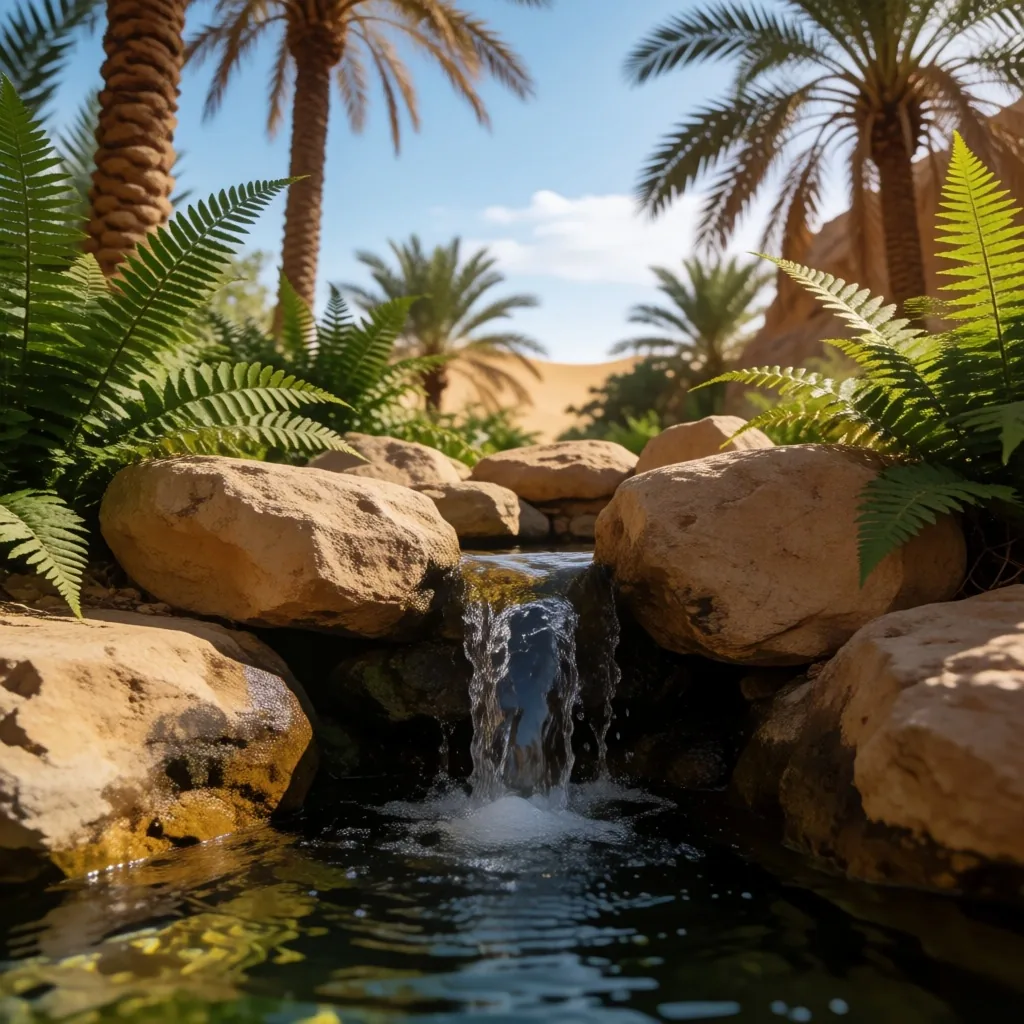
The oases are formed where underground aquifers reach the surface, creating permanent sources of water in an otherwise dry landscape. These springs are the lifeblood of the desert, supporting both the local population and the diverse flora that grows around them. Our egypt travelling guides explain the natural processes that create these thermal and cold springs.
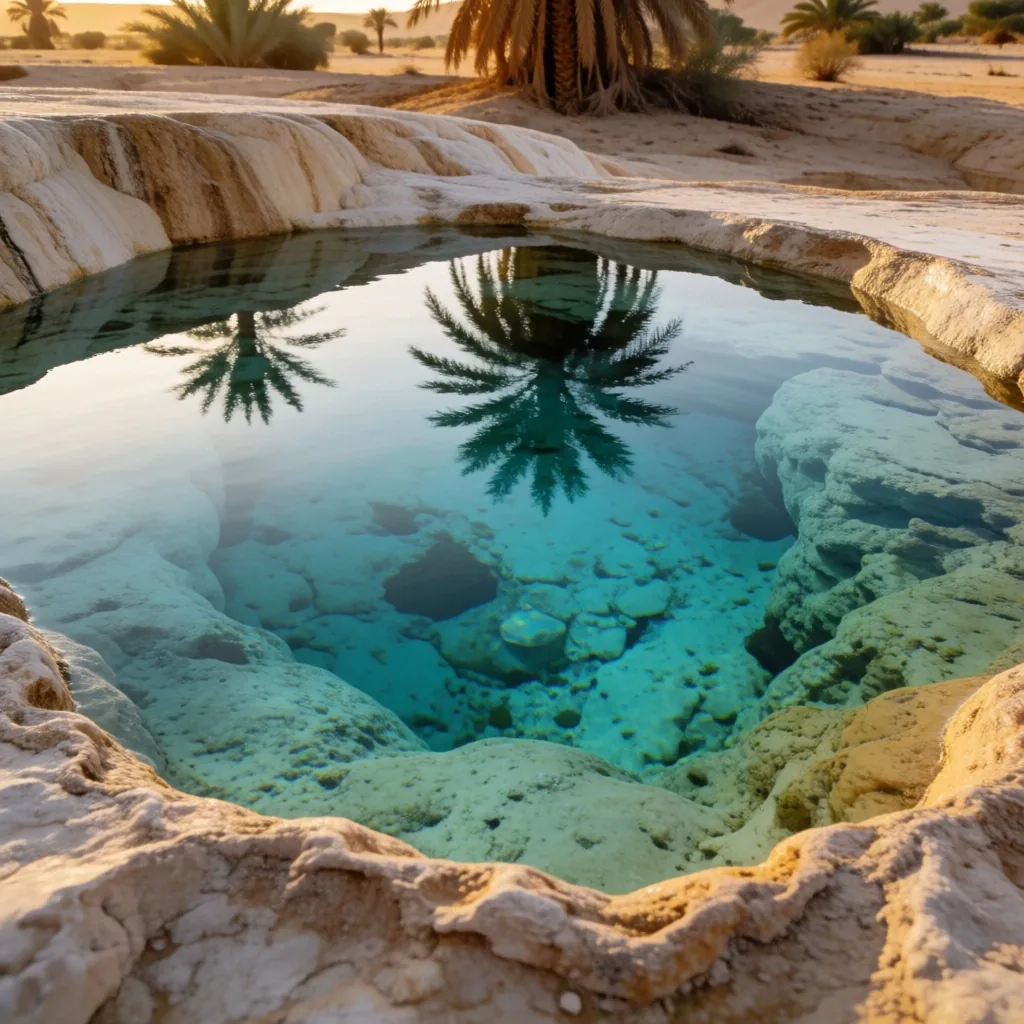
Visitors can often find small pools where the water is naturally filtered by the surrounding rock. The aquifers themselves are ancient reserves of rainfall that fell on distant highlands thousands of years ago, slowly travelling through porous sandstone layers until they hit a fault or a depression where they emerge. This slow filtration is what gives the water its mineral character and its clarity.
Some springs run cold even at the height of summer, fed by deep channels that never see sunlight. Others are heated by geothermal activity closer to the surface, pushing water up at temperatures that make the surrounding air shimmer. Both types have shaped the settlements around them, determining where palms grow and where people build their homes.
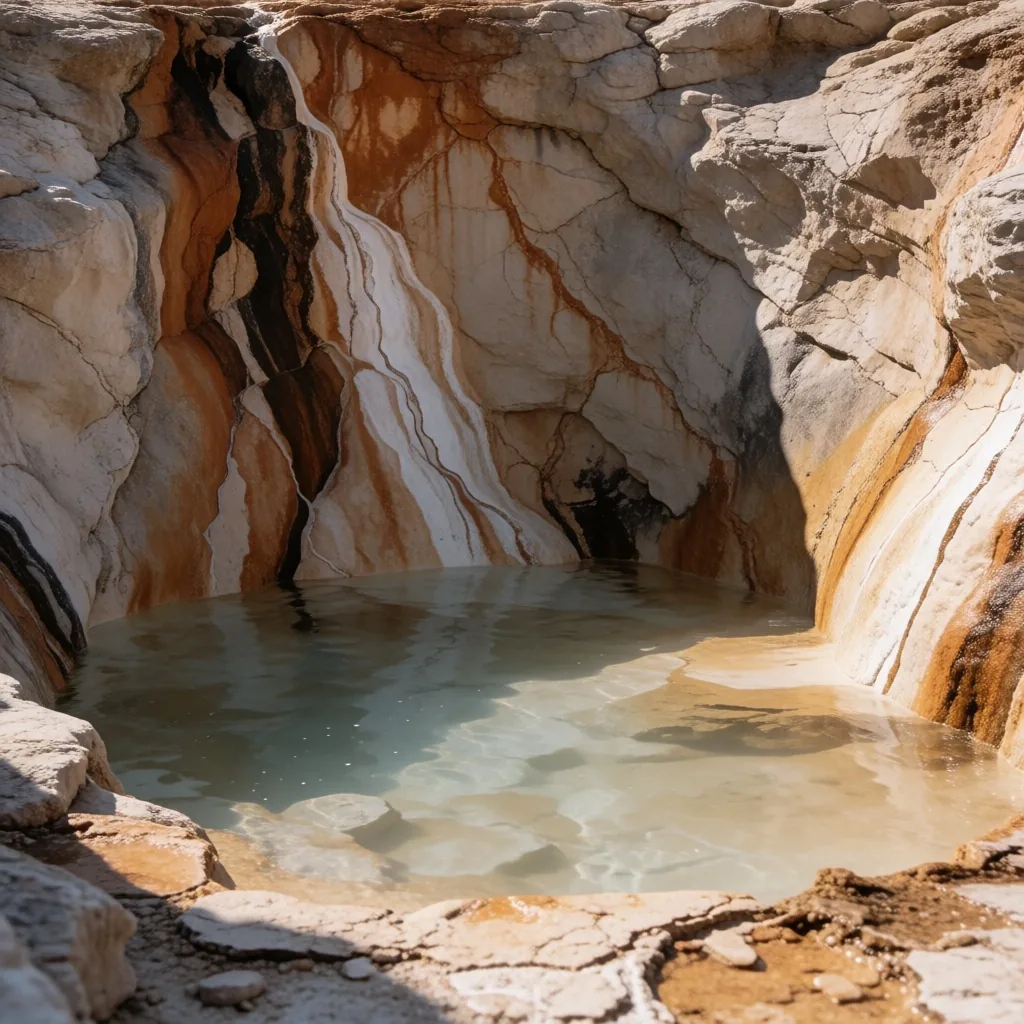
Cold and thermal springs surface through rock faults.
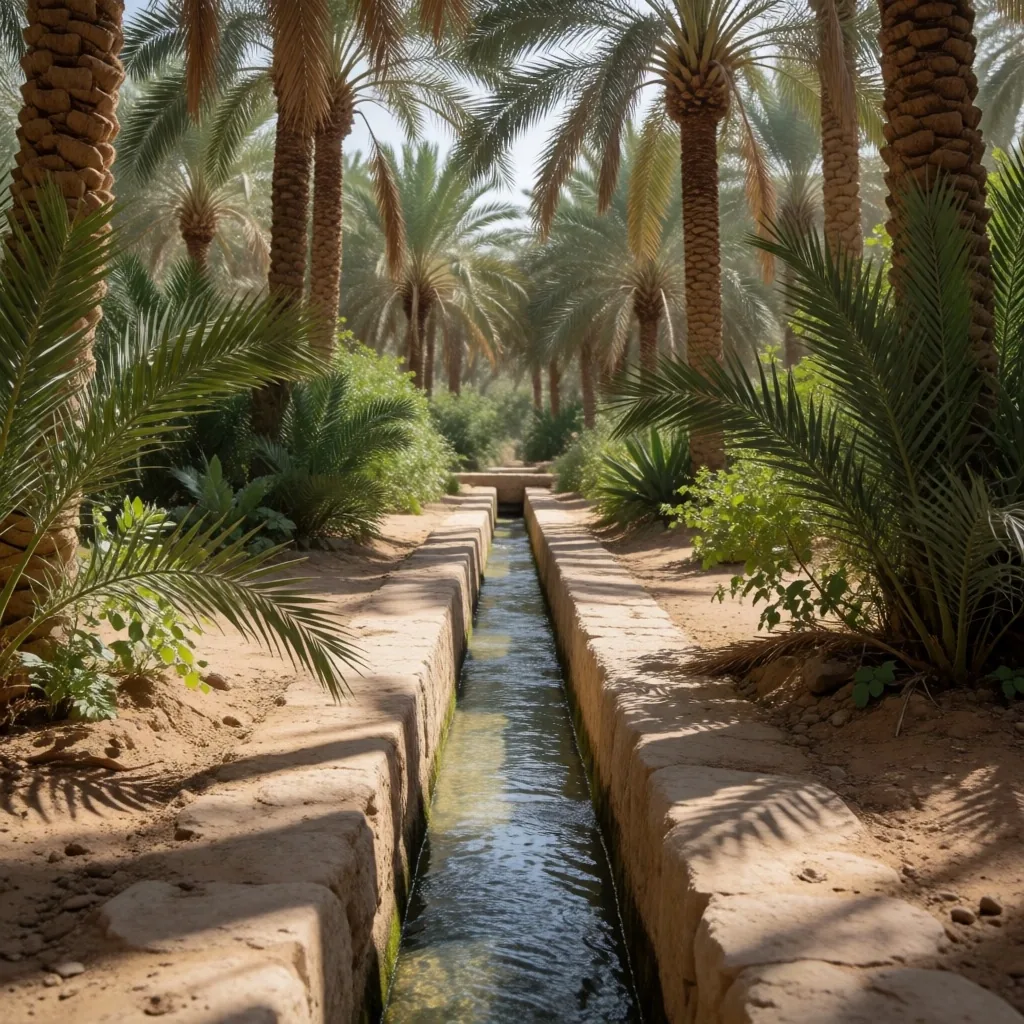
Date Palm Groves & Qanats
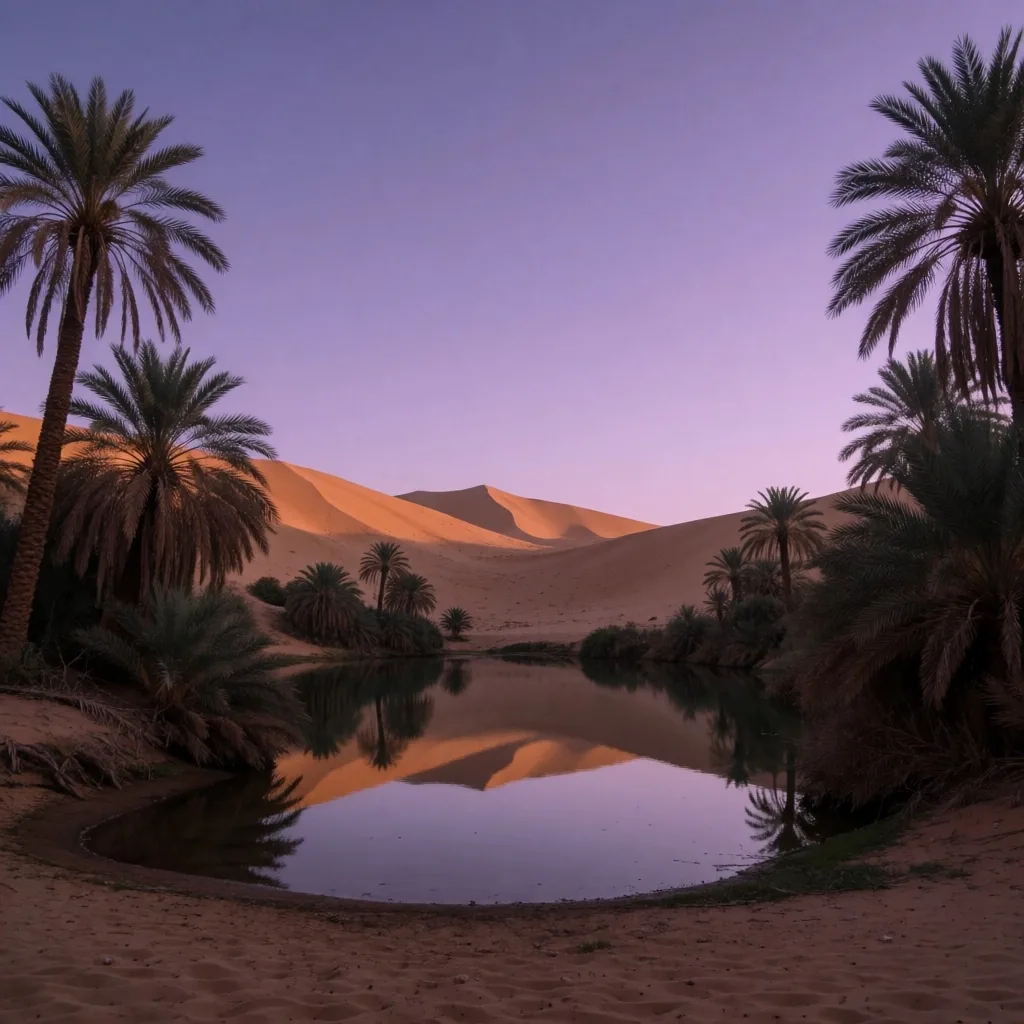
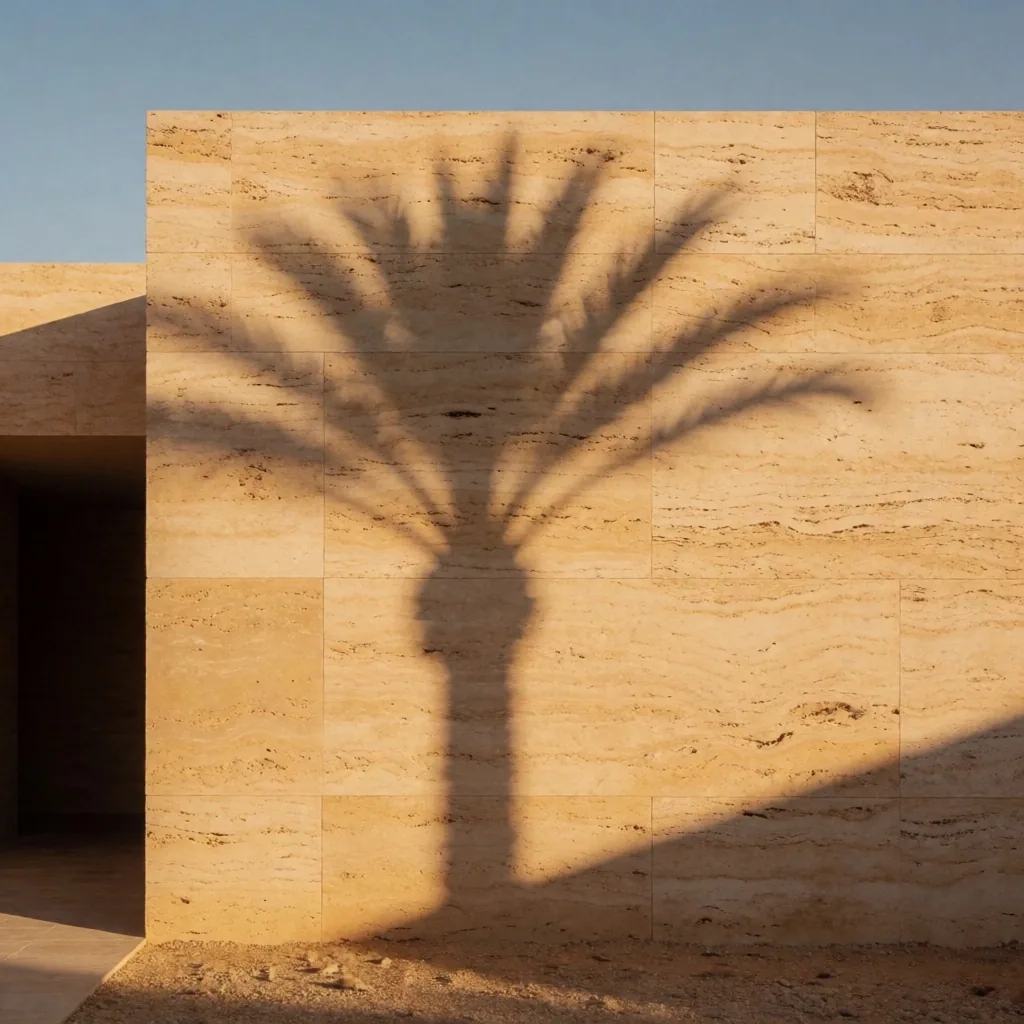
The most iconic feature of any oasis is the dense forest of date palms that provides shade and food for the community. These groves create a microclimate that is significantly cooler than the open desert, making them a pleasant place to walk and explore. Our eg travel guides detail the traditional irrigation systems, known as canals or "qanats," that distribute water throughout the orchards.
This ancient technology is still in use today, demonstrating a sustainable way of living with limited resources. The qanats rely on gravity rather than pumps, channeling water from high-yield springs down through branching channels that reach every corner of the plantation. Farmers regulate flow with simple stone gates that have changed little in centuries.
Walking through a mature grove, the temperature drops by several degrees. The fronds overhead block the worst of the midday sun, and the moist soil underfoot keeps the air near the ground cool. Dates ripen in stages across the season, providing a steady food supply and a trade good that has connected these oases to wider networks for generations.
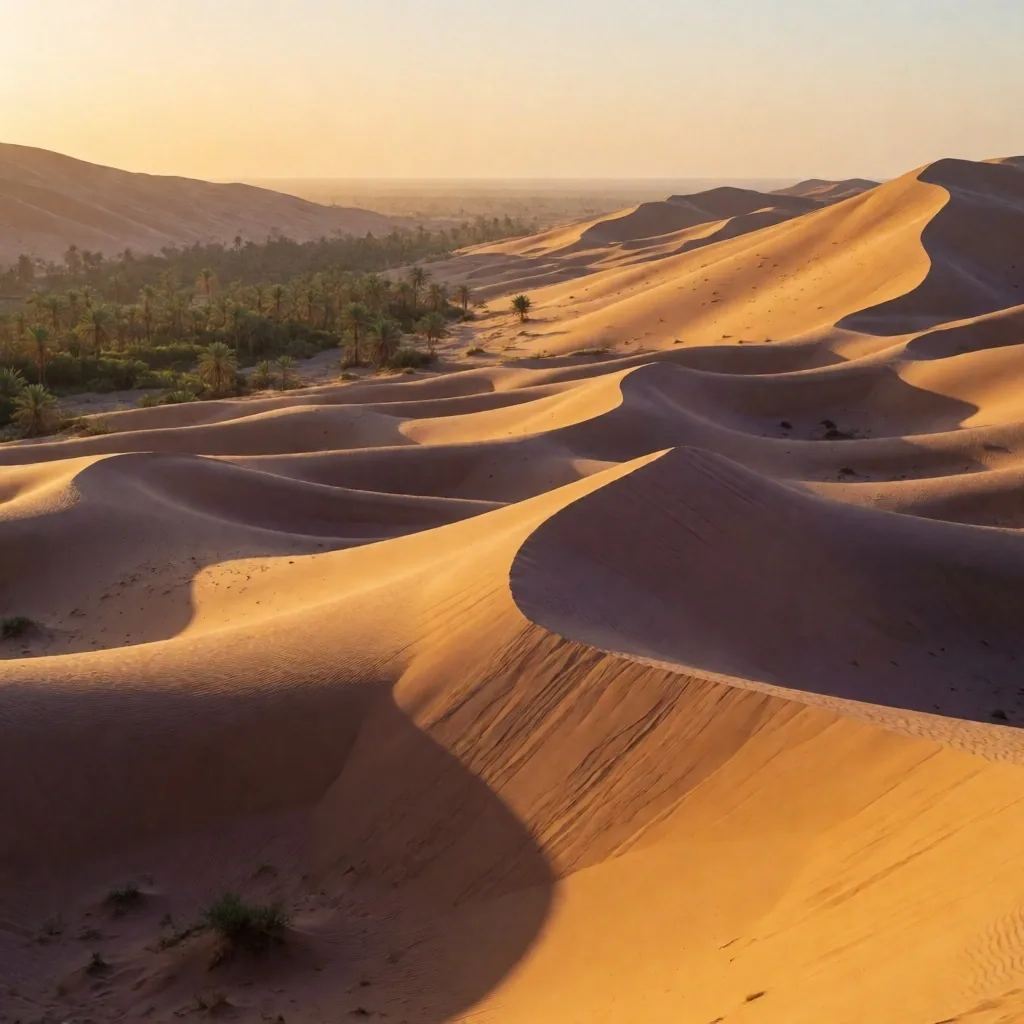
The Silence of the Dunes
Surrounding the green hearts of the oases are the immense sand dunes and rocky plateaus of the Western and Eastern Deserts. The transition from the vibrant green of the oasis to the golden hues of the sand is one of the most striking sights in nature. Our travel guides into eg emphasize the profound silence found in these areas, which is a rare commodity in the modern world.
Exploring the fringes of the oasis allows for a true sense of scale and isolation. The dunes move slowly with the wind, reshaping themselves over weeks and months. Footprints left in the morning may be gone by afternoon. This constant, quiet reshaping is part of what makes the desert feel alive despite its apparent stillness.
Rocky plateaus offer a different kind of silence, harder underfoot and broken only by the occasional crack of shifting stone as the temperature drops at dusk. Walk a short distance from any settlement and the sounds of human life fade entirely, replaced by wind against sand and the distant call of a desert bird.
Traditional Mud-Brick Architecture
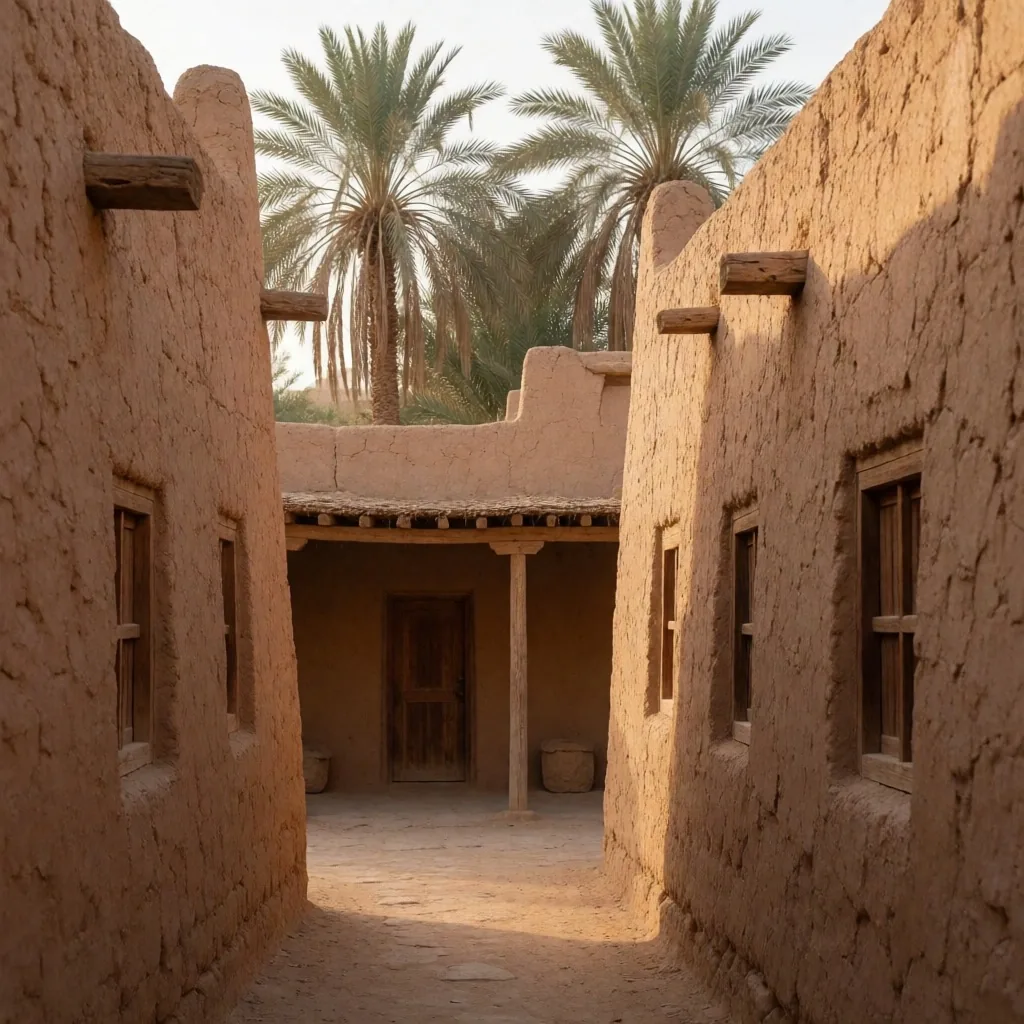
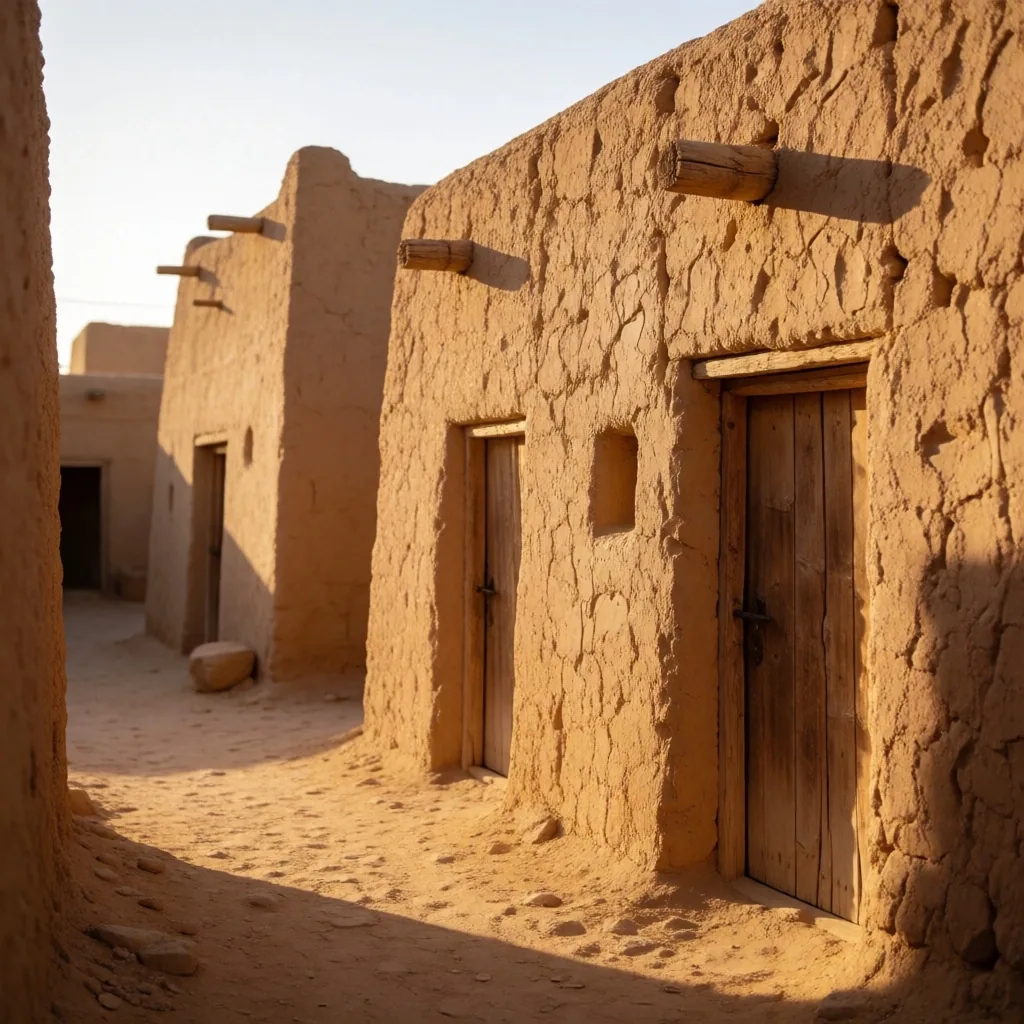
In many of the older oasis settlements, houses are built using sun-dried mud bricks, a material that provides excellent insulation against the desert heat. The bricks are mixed from local earth, straw, and water, then dried in the sun for several days before use.
These buildings are often clustered together to create narrow, shaded streets that naturally funnel the breeze. The close spacing keeps walls in shadow for much of the day, and the narrow passages between houses speed up air movement when the wind picks up in the afternoon.
Our egypt travelling guides look at the functional beauty of this traditional architecture and how it integrates with the landscape. It is a testament to the ingenuity of the desert people who have adapted to their environment over centuries, working with the climate rather than against it.
Oasis Birdlife & Migration
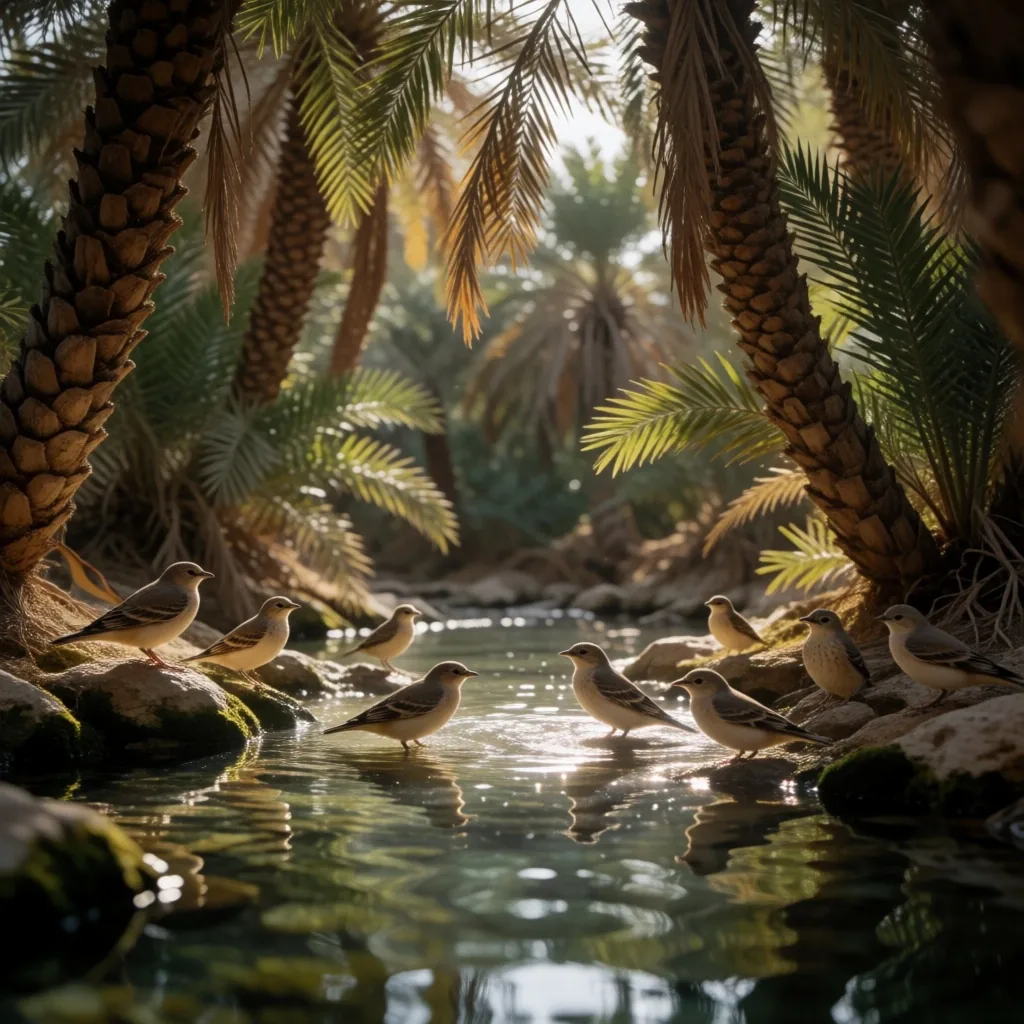
The water and vegetation of the oases make them essential stopovers for birds migrating between Europe and Africa. During the spring and autumn, the groves are filled with the songs of various species seeking rest and nourishment.
Our eg travel guides are a great resource for those interested in birdwatching, identifying the types of visitors you might see in different seasons. The presence of these birds adds a layer of life and movement to the quiet desert air, turning a simple morning walk through the palms into something closer to a nature reserve visit.
Spring brings warblers and bee-eaters passing through on their way north. Autumn sees storks and raptors riding thermals above the dunes. Even in the quieter months, resident doves and bulbuls stay close to the water, making the groves feel alive year-round.
Local Crafts & Trade
Oasis life has long been centered around the production of dates, olives, and hand-woven textiles made from local fibers. These crafts are often practiced in communal spaces where the techniques are passed from elders to the youth.
Our travel guides into eg describe the various products that are unique to each oasis, such as specific patterns of basketry or types of pottery. The variation between settlements reflects both local materials and the distinct histories of each community.
Engaging with these local traditions provides a meaningful connection to the history of the region. Watching a weaver at work or tasting dates from a specific grove grounds the visit in something more tangible than scenery alone.
Stargazing in the Deep Desert
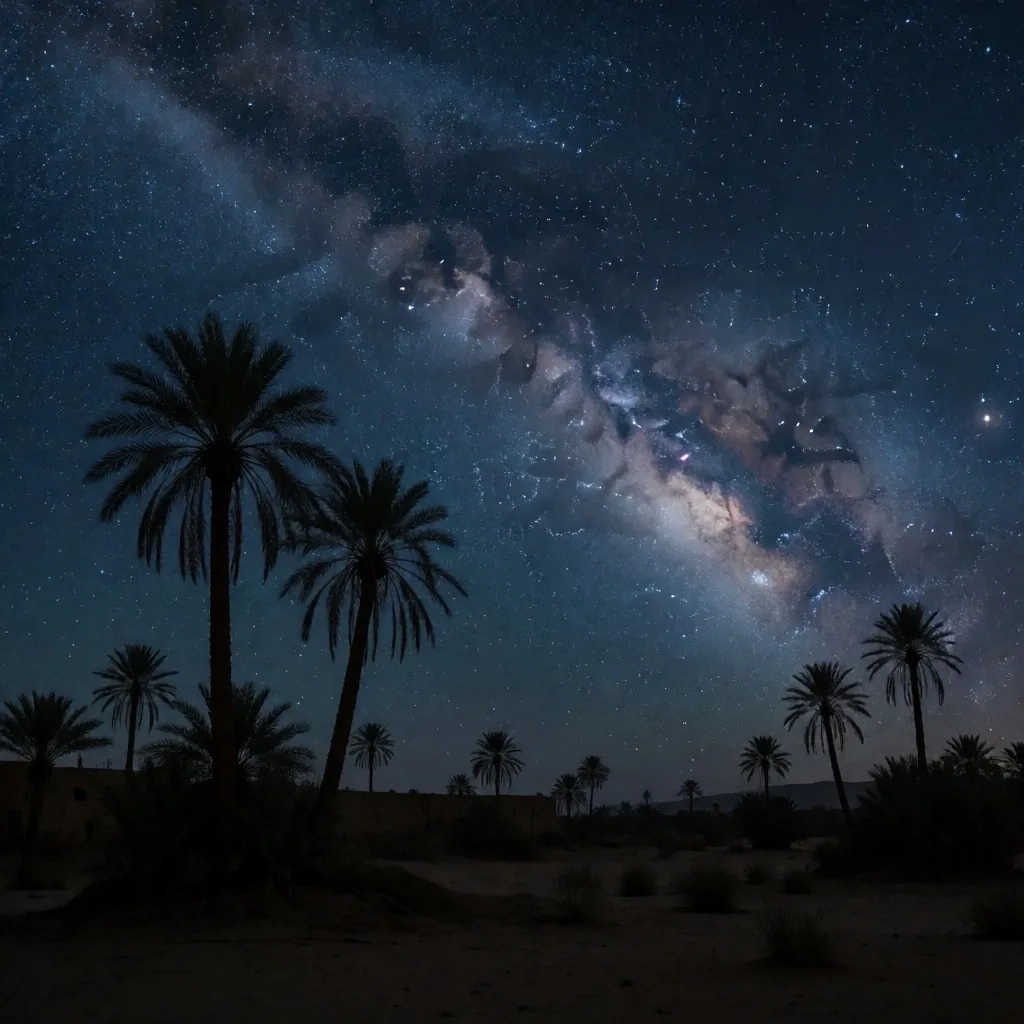
One of the greatest advantages of the oases' remote locations is the lack of light pollution, which results in some of the clearest night skies in the world. As the sun sets, the desert sky transforms into a vast canopy of stars and constellations.
Our egypt travelling guides recommend staying overnight in or near an oasis to experience this celestial display. It is a humbling experience that highlights the beauty of the natural world away from the city lights.
Salt Lakes & Mineral Flats
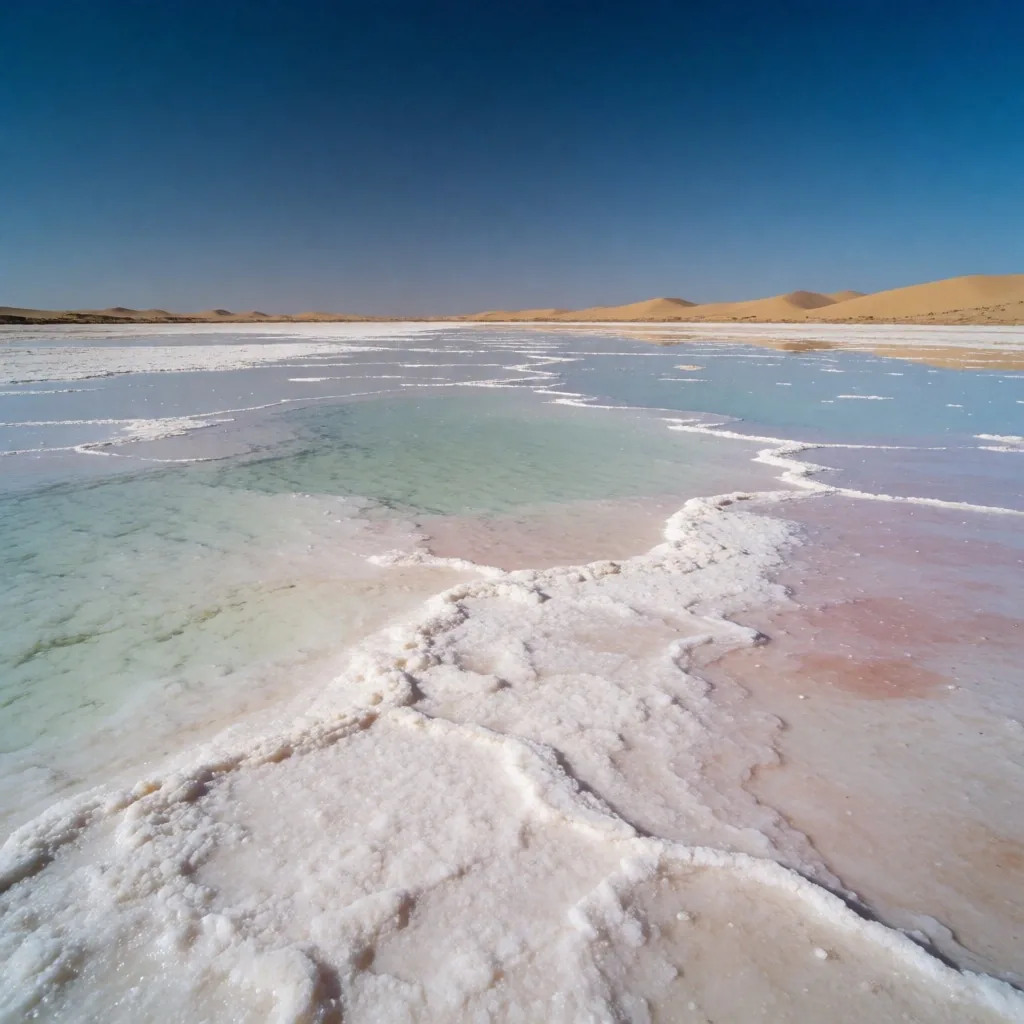
Some oases are home to large salt lakes that create a surreal, shimmering landscape on the desert floor. These lakes are formed by the evaporation of mineral-rich water, leaving behind crusts of salt that reflect the sky like a mirror.
Our eg travel guides explore these unique formations and the specialized plants that grow around them. The visual contrast of the white salt against the blue water and yellow sand is a photographer's dream, especially in the early morning when the light is low and the reflections are sharpest.
The salt tolerant plants that survive at the edges of these flats are tough, wiry species that can draw water from soil that would kill most crops. Their presence marks the boundary between the usable land and the mineral wastes, a line that shifts slowly with the seasons.
Thermal Springs & Natural Wellness
Many of the springs found in the oases are rich in minerals and are naturally heated by the earth's core. These thermal waters have been used for their relaxing properties for generations by the local inhabitants.
Our travel guides into eg highlight the locations of these natural pools where visitors can soak in the warm water under the shade of the palms. The water temperature varies from one spring to another, and some are more accessible than others.
It is a natural form of relaxation that requires no modern equipment or commercial spa settings. You sit in warm water that the ground has heated, under trees the community has tended, and you let the quiet do the rest.
Planning Your Oasis Visit
Reaching the oases requires a bit more planning than a trip to the coast, as it often involves longer drives through the desert. However, the journey itself is part of the experience, offering spectacular views of the changing landscape.
Ensuring you have enough water and a reliable vehicle is essential for a safe and enjoyable inland adventure. Our egypt travelling guides provide advice on the best routes and the necessary preparations for desert travel.
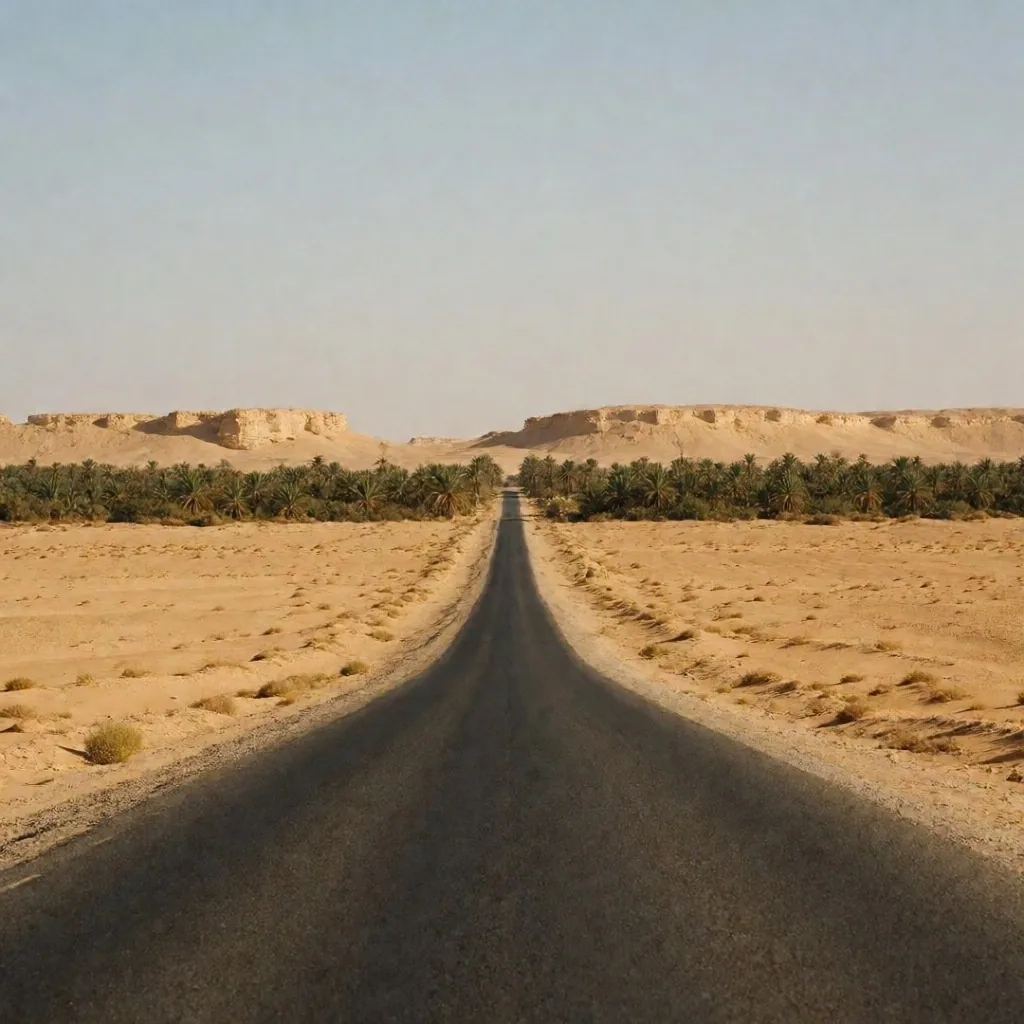
The drive to the oases is part of the experience.
Carry more than you think you need. Desert air dehydrates faster than you notice, and water sources between settlements are not reliable for visitors.
A reliable vehicle with good tires and a full spare is non-negotiable. Some springs sit at the end of unpaved tracks that turn rough after wind.
Early morning and late afternoon are the best windows for driving and walking. Midday heat is better spent in shade, drinking water and waiting.
Plan to stay at least one night near a spring. The sky after dark is reason enough, and the pace of oasis life does not reward a rushed day trip.
From Springs to Shores
The oases are one face of Egypt's inland geography. The Red Sea coast offers a different kind of quiet, with coral reefs and fishing villages that most travellers never reach. Our travel guides cover both, along with the Nile Valley and the Sinai Peninsula.
If you want to pair an oasis trip with a coastal stretch, or you are still deciding which region fits your time, start with the routes and preparation notes on our planning page.
Contact for Route Guidance
Our team can help you compare routes, timing, and which oasis region fits your travel window. Reach out for plain, practical guidance.
Saudi Egyptian Gateway
An Nasr Rd, Al Aziziyah
Riyadh 14512, Saudi Arabia
Mon–Fri: 9:00–18:00