Purpose

A working reference for travellers moving between Saudi Arabia and Egypt — checklists, summaries, and orientation guides you can bookmark or print before departure.

What Is Inside

Ten resource categories covering geography, seasonal timing, packing, language, transport, health, maps, customs, environmental care, and emergency contacts — each drawn from our full-length eg travel guides.

How To Use

Scan the category summaries below, follow the in-page anchors to the section you need, or open the full guide on a connected page for deeper context. Every section is written to stand alone.

Resource Index

Browse by Category

These ten resource sections distil the most practical points from our egypt travelling guides into quick-reference format. Each one is self-contained — read what you need, skip what you do not, and return as often as useful.

01 / Geography

Quick Geography Summaries

Understanding the layout of the Red Sea coast and the Nile Valley is the first step in successful navigation. We have provided brief summaries of the key geographic features of each major region we cover — the primary attractions, the general atmosphere, and the natural landmarks that shape each area.

These eg travel guides give you a bird's-eye view of the landscape, helping you decide which area best fits your interests before you commit to a route or a season.

Red Sea Guide
02 / Calendar

Seasonal Travel Calendar

Timing is everything when it comes to the climate of the region. Our seasonal calendar provides a quick reference for the best months to visit each destination based on temperature and local conditions.

This tool is part of our egypt travelling guides and helps you avoid the extreme heat of the summer or the occasional cold snaps of the winter — a simple way to ensure your trip is as comfortable as possible.

View Calendar
03 / Packing

Essential Packing Checklists

We have created specific packing lists for coastal holidays, desert treks, and Nile journeys. These checklists are informed by our travel guides into eg and cover everything from footwear to sun protection and electronic needs.

Having a clear list ensures you do not over-pack while still carrying everything you need for the diverse Egyptian environment — from humid coastlines to dry interior basins.

Download Checklists
04 / Language

Local Language and Phrases

While many people in the travel industry speak English, knowing a few words of Arabic goes a long way in building rapport with the locals. We provide a list of essential phrases for greetings, asking for directions, and basic social interactions.

Our egypt travelling guides include these linguistic tips because communication is a key part of the travel experience — a little effort in learning the local tongue is always appreciated.

Read Local Phrases
05 / Transport

Transport and Navigation Guides

Moving between cities and remote villages can be a challenge if you do not know the local system. Our resource hub includes summaries of the main transport routes, including rail schedules and common shared van paths.

These eg travel guides simplify the process of getting from point A to point B, focusing on the most reliable and commonly used methods of transport so you can plan with logistical confidence.

Planning Guide
06 / Health

Health and Safety Tips

We have compiled a list of the most important health and safety tips from our various guides, focusing on hydration, sun protection, and environmental awareness.

This resource is an essential part of our traveller into Egypt package — being mindful of these basic rules allows you to enjoy your holiday without unnecessary health concerns or accidents in unfamiliar terrain.

Check Safety Tips
Seasonal Reference

When To Go

The region swings between intense summer heat and surprisingly cool winter nights. This calendar marks the most comfortable windows for coastal, desert, and Nile travel — drawn from our egypt travelling guides and checked against local climate patterns.

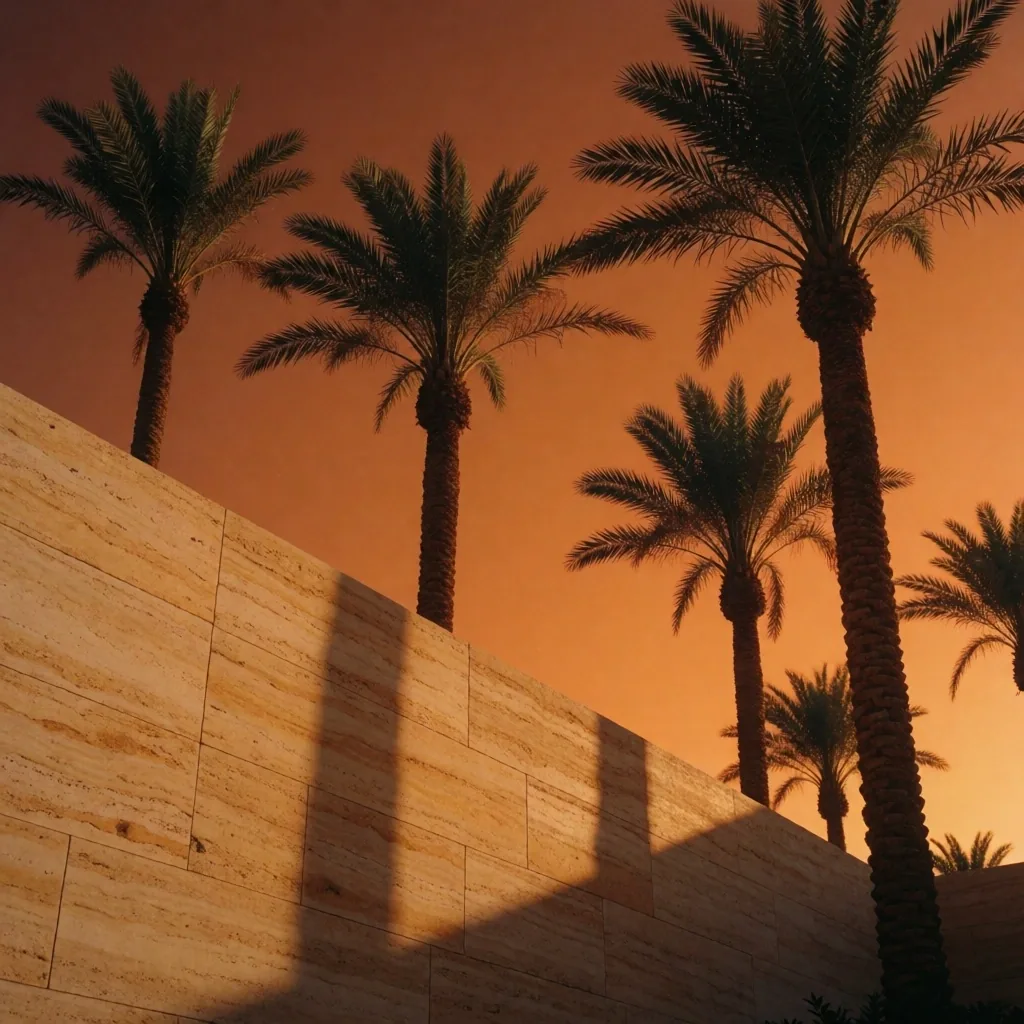
Palm trees at sunset over the desert

Monthly Guidance

  • Oct–Feb Peak comfort window. Daytime temperatures along the Red Sea sit between 20 and 26 degrees. Desert nights drop sharply — pack a warm layer for overnight excursions. Nile cruising is at its most pleasant.
  • Mar–Apr Shoulder season. Warming trend brings daytime highs near 30 on the coast. Occasional sandstorms (khamaseen) can reduce visibility for a day or two. Good value for quieter sites.
  • May–Sep Intense heat. Interior and southern Egypt regularly exceed 40 degrees. Coastal resorts remain tolerable with sea breeze but direct sun exposure between 11:00 and 15:00 is inadvisable. Plan all outdoor activity for early morning.
  • Year-round Red Sea water temperature stays between 21 and 28 degrees throughout the year, making coastal stays viable in any season if you adjust your daily rhythm to the sun.
Packing Ledger

What To Carry

Three environment-specific checklists drawn from our travel guides into eg. Each list targets the realities of its terrain — the sun on the coast is not the same sun in the desert interior, and the Nile demands its own kit.

Coastal Holiday

Red Sea Shore

  • Reef-safe sunscreen, SPF 50 or higher, reapplied every two hours
  • Snorkel mask and short-finned fins — rental gear varies in quality
  • Rash vest with UV block for long sessions in shallow reef
  • Light linen clothing, two sets per day given humidity and salt
  • Wide-brim hat with chin strap — coastal wind is steady
  • Dry bag for phone and documents on boat trips
  • Reef-safe after-sun gel and oral rehydration sachets
Desert Trek

Interior Basin

  • Closed-toe hiking boots with ankle support — sand and rock are unforgiving
  • Insulated water container, minimum two litres per person per day
  • Shemagh or light cotton scarf — sun shade by day, warmth by night
  • Fleece or light jacket — desert nights drop 15 to 20 degrees below daytime
  • Headlamp with spare batteries — distances are longer than they appear
  • Sunglasses with full UV block and side coverage
  • Basic first-aid roll: blister plasters, antiseptic, bandage
Nile Journey

River Route

  • Layered clothing — mornings on deck are cool, midday is warm
  • Comfortable walking shoes for shore excursions on uneven stone
  • Modest cover-up for village visits — long sleeves and long trousers
  • Insect repellent, particularly for evenings near standing water
  • Small daypack for temple and village walks
  • Power bank and universal adapter — cabin outlets may be limited
  • Journal and pen — the rhythm of the river rewards note-keeping
Two people in conversation at a street cafe

A few words of Arabic open doors that English alone cannot.

Phrase Sheet

A Few Words

While many people in the travel industry speak English, knowing a few words of Arabic goes a long way in building rapport with the locals. Our egypt travelling guides include these linguistic tips because communication is a key part of the travel experience. A little effort in learning the local tongue is always appreciated — and often rewarded with warmth that no transaction can produce.

Everyday Phrases

As-salamu alaykum
Peace be upon you — the standard greeting, used morning to night.
Wa alaykum as-salam
And peace be upon you — the expected reply.
Shukran
Thank you — the most useful word you will carry.
Afwan
You are welcome — the reply to shukran.
Kam?”
How much? — essential at markets and for shared vans.
Ayn al-hammam?
Where is the restroom? — a question you will ask more than once.
La, shukran
No, thank you — the polite decline, useful in markets.
Vantage Points

Where To Stand

Finding the best views often requires knowing exactly where to look. Our resource hub includes simplified orientation notes that highlight key vantage points and scenic overlooks along the routes we cover.

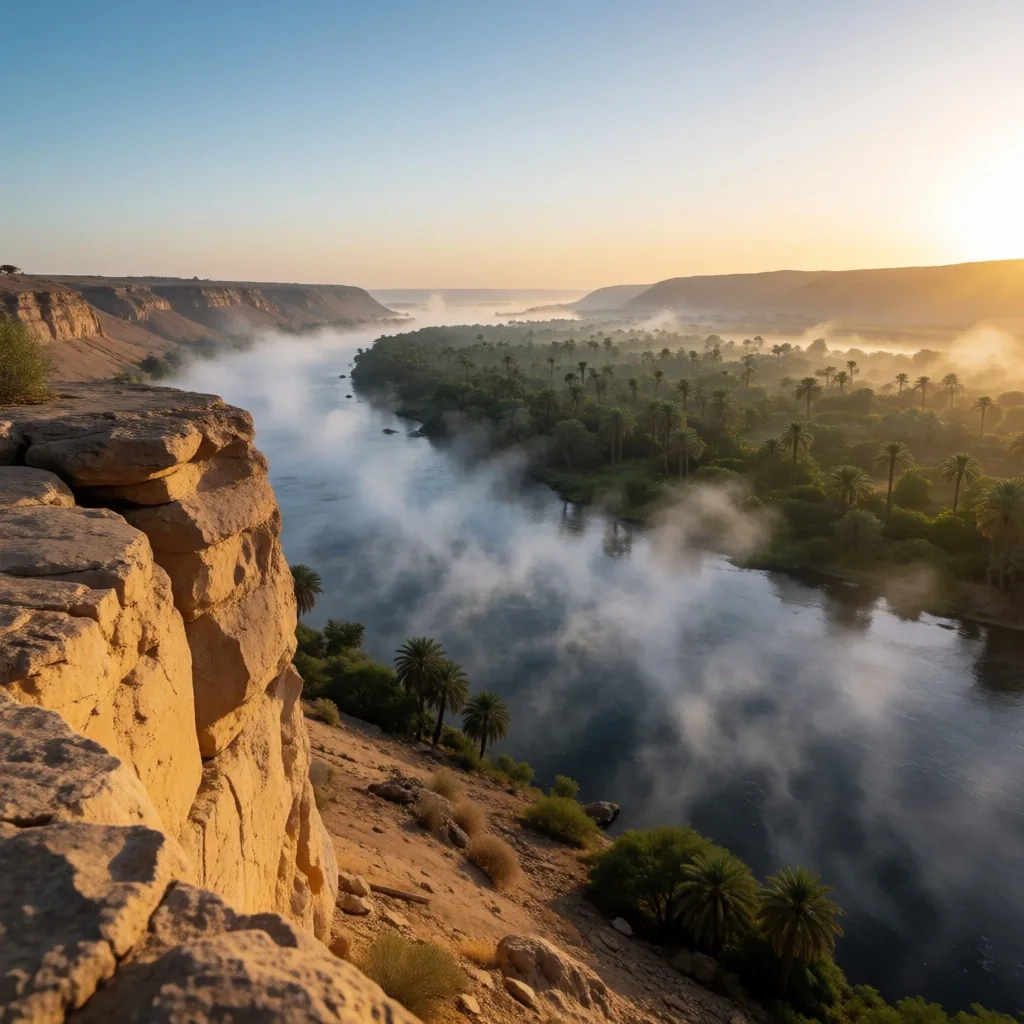
These travel guides into eg are perfect for planning your photography or sunset viewing spots in advance. We show you the best way to reach each location and what you can expect to see from there — the mountain pass that frames the sea, the rooftop that catches the last light on the harbor, the bend in the river where the palms double in the water at dawn.

Dawn view over the Nile valley from a high vantage point
Scenic Locations
Customs

Reading The Room

To help you feel more at home in the local culture, we have summarized the most important customs and social rules. This includes advice on dress codes, dining etiquette, and how to interact respectfully in communal spaces.

Our egypt travelling guides aim to make you a more informed and culturally sensitive traveller. Understanding the local way of life is one of the most rewarding aspects of regional travel — the meal you are invited to share, the gesture that signals welcome, the small adjustment in posture or tone that tells a host you are trying.

  • Dress: Long trousers and covered shoulders at sites of cultural significance, regardless of weather. Coastal resorts are more relaxed but modest swimwear is still the norm away from hotel pools.
  • Dining: Eat with the right hand. Accept tea when offered — refusing is read as distance, not preference. Bread is torn, not cut.
  • Greetings: Handshake between same gender is standard. Wait for a local woman to extend her hand before offering yours. A hand to the chest after greeting signals genuine warmth.
  • Photography: Ask before photographing people. Some sites restrict camera use entirely — look for posted signs or ask a guard.
  • Ramadan: During the holy month, avoid eating, drinking, or smoking in public during daylight hours. Hotels and tourist areas maintain usual service, but the street does not.
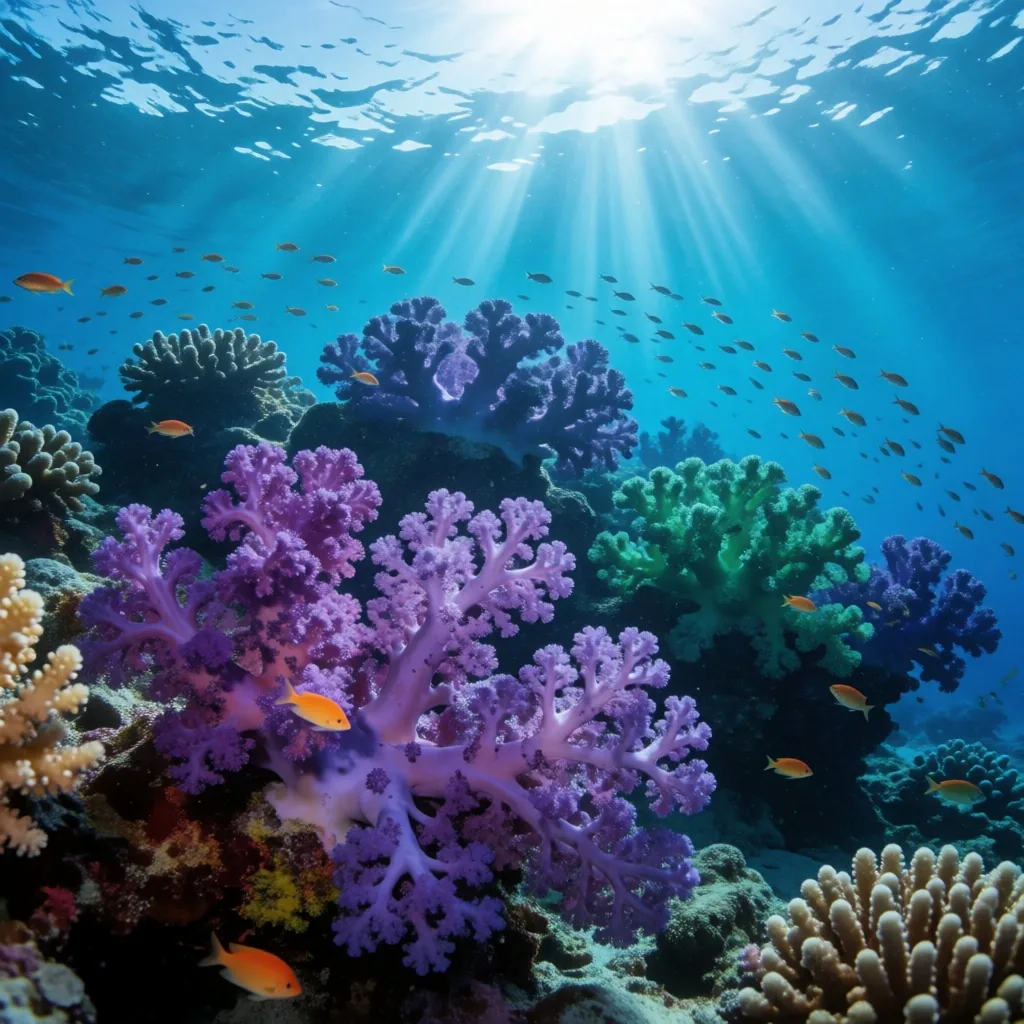
Healthy coral reef in the Red Sea
Environmental Care

Leave It As You Found It

Protecting the natural beauty of the region is a shared responsibility. We have provided a set of clear guidelines for how to behave in sensitive areas like coral reefs and desert oases. These resources are a core part of our mission at the Saudi Egyptian Gateway — by following these simple rules, you can help ensure that the places you love remain pristine for the future.

On The Reef

  • Do not touch or stand on coral — even light contact kills the polyps.
  • Use reef-safe sunscreen only — oxybenzone and octinoxate damage reef systems.
  • Maintain neutral buoyancy and keep fins off the seabed near reef edges.
  • Take nothing — shells, coral fragments, and sand belong to the ecosystem.

In The Desert

  • Stay on established tracks — desert surfaces recover slowly from vehicle damage.
  • Carry out all waste, including organic — it does not decompose in arid conditions.
  • Do not disturb rock formations or remove stones from ancient sites.
  • Keep distance from wildlife — observe, never chase or feed.
Safety Ledger

Stay Well

Your well-being is our priority. We have compiled the most important health and safety tips from our various guides — the basics that keep a trip on track and out of difficulty.

  • Hydration

    Drink two to three litres of water per day minimum, more in summer or during physical activity. Carry water at all times — dehydration sets in before thirst registers in this climate. Add electrolytes if sweating heavily.

  • Sun

    Apply SPF 50 sunscreen every two hours. Wear a wide-brim hat and UV-protective clothing. Avoid direct exposure between 11:00 and 15:00, particularly between May and September when the UV index regularly exceeds 10.

  • Food

    Eat at busy establishments — turnover is your indicator of freshness. Cooked food served hot is generally safe. Be cautious with raw salads and unwashed fruit in smaller towns. Bottled water is the standard for drinking and brushing teeth.

  • Desert

    Never travel alone into remote desert areas without a local guide and a communication plan. Tell someone your route and expected return time. Carry paper maps — GPS signal is unreliable in canyons and dune fields.

  • Water

    Swim only at patrolled beaches. Red Sea currents can be strong near reef edges. Check the flag system — red means no swimming, yellow means caution, green means calm. Never swim at night.

  • Driving

    If you rent a vehicle, drive defensively. Night driving outside cities is not recommended — camels and unlit vehicles create hazards. Keep your phone charged and carry the local emergency number.

Useful Contacts

Numbers Worth Carrying

In addition to our own guides, we have listed the contact information for local emergency services, major transportation hubs, and regional information centers. This list is a practical addition to our eg travel guides — having this information in one place gives you peace of mind as you embark on your journey.

Emergency — Police
Dial 122 from any phone in Egypt. The line operates 24 hours and connects to the nearest police station.
Emergency — Ambulance
Dial 123 for medical emergencies. Response times vary by region — faster in cities, slower in remote areas.
Tourist Police
Dial 126. English-speaking officers are available in major destinations and can assist with lost documents, disputes, and directions.
Roadside Assistance
If you rent a vehicle, save the number provided on your rental agreement. Major highways have patrol vehicles but response outside urban areas can take time.
Saudi Egyptian Gateway
An Nasr Rd, Al Aziziyah, Riyadh 14512, Saudi Arabia
+966 54 906 8643
[email protected]
Mon–Fri: 09:00–18:00

Still Planning?

These resources work best alongside the full guides. If you need a route suggestion, a seasonal recommendation, or a specific question about transport between regions, the planning page and our contact desk are the next stop.

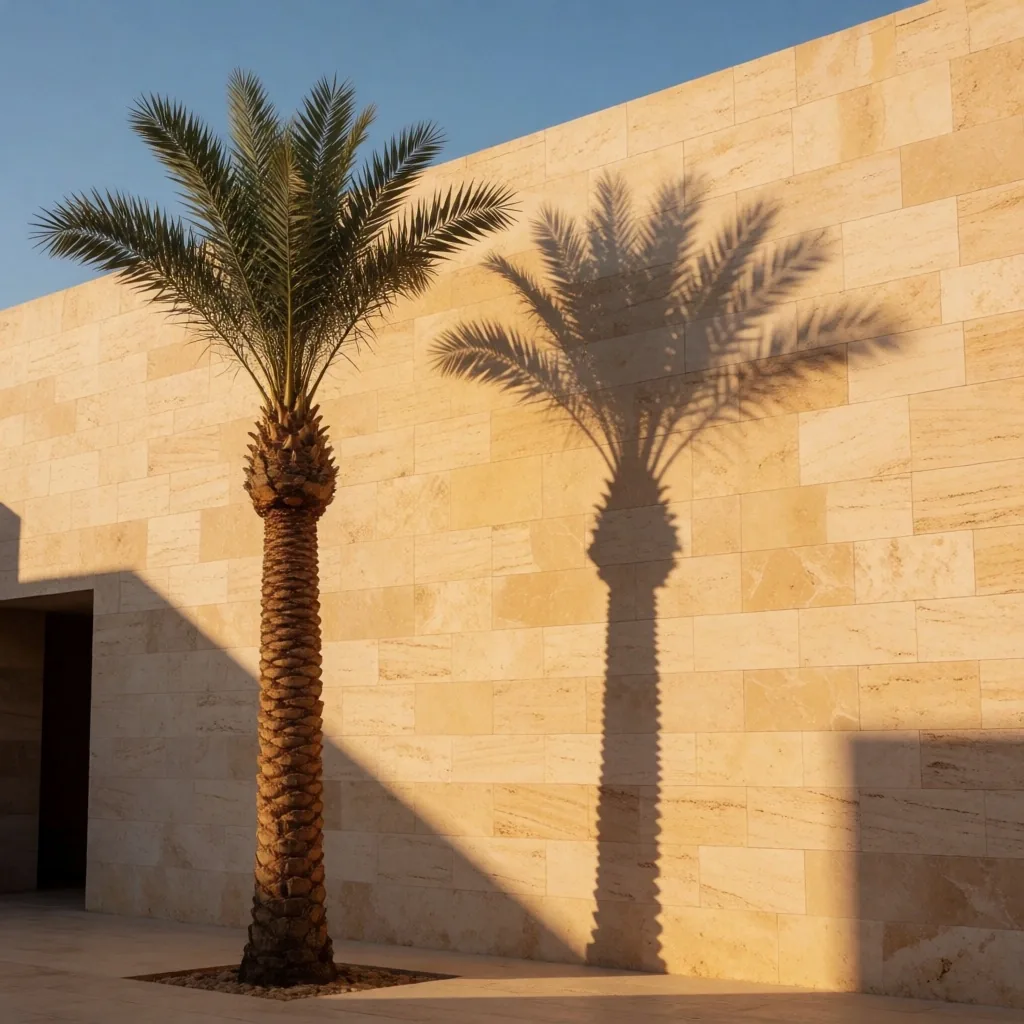
Palm tree shadow on a stone wall
Full Guides

Each resource category above links to a full guide with deeper context, photographs, and route detail. Start with the Red Sea shores or the Nile river journey for the most complete coverage.

Bookmarks and Print

Every section on this page is designed to be bookmarked individually or printed as a single reference sheet. Use your browser's print function to produce a paper copy of the checklists and contact numbers for offline use.

Questions

If a resource here does not cover your situation, reach the Saudi Egyptian Gateway desk at [email protected] or +966 54 906 8643 during weekday hours for specific guidance.