
Planning Your Regional Visit
Logistical advice and seasonal guidance for the traveller crossing the Red Sea toward Egypt.
Orientation
Planning a trip across the Red Sea requires a good understanding of the local climate, transport options, and cultural norms. Our goal is to make the preparation process as straightforward as possible for the traveller into Egypt. This guide provides essential information on when to visit, what to pack, and how to navigate the regional infrastructure. By being well-prepared, you can focus on enjoying the beautiful scenery and the unique experiences that the region has to offer.
Section One
Understanding the Seasonal Climate
The region experiences significant temperature variations throughout the year, which should dictate your travel dates. Winters (December to February) are mild and perfect for sightseeing, while summers (June to August) can be very hot, especially inland. Choosing the right season ensures that the weather enhances rather than hinders your travel plans.
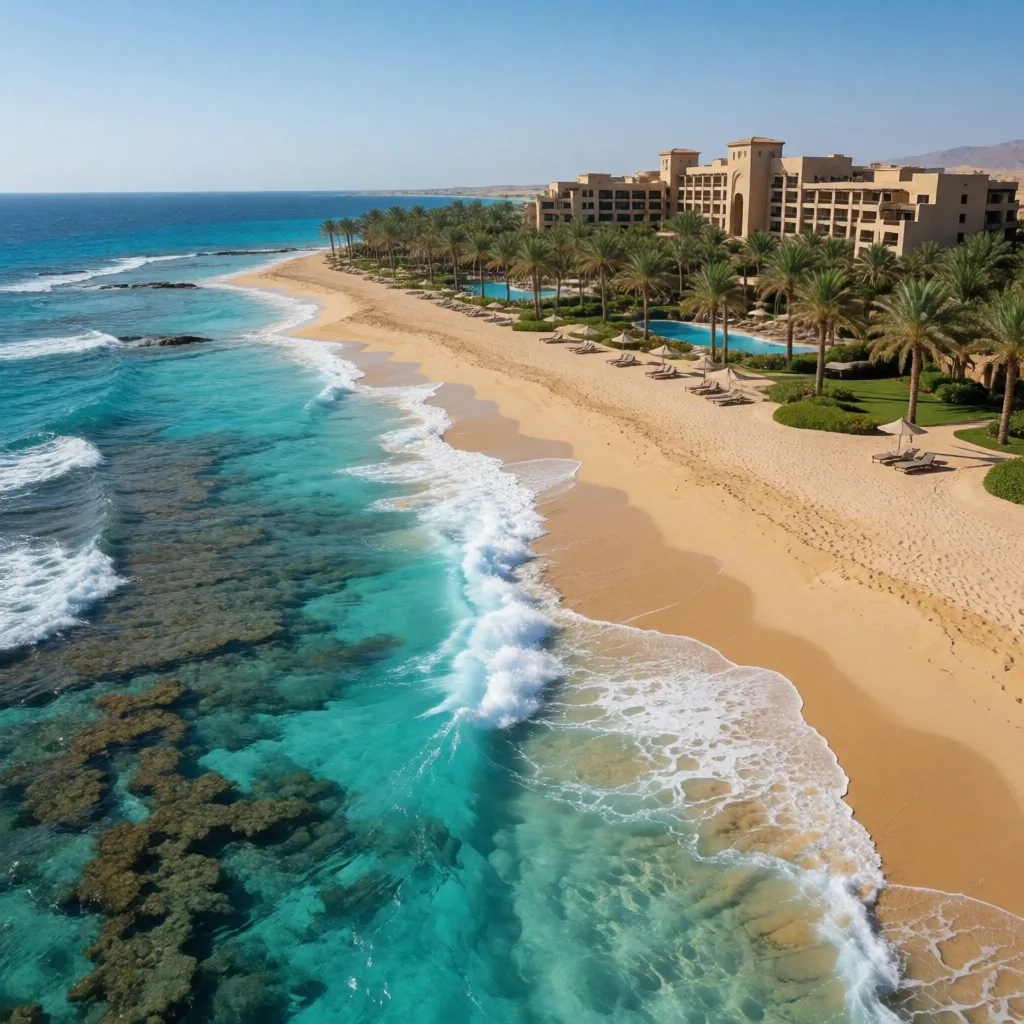
Our eg travel guides provide a month-by-month breakdown of average temperatures and humidity levels. Coastal areas along the Red Sea stay warmer and more humid year-round, while inland and desert regions swing sharply between extreme daytime heat and surprisingly cool nights. Spring and autumn months offer a comfortable middle ground with fewer crowds and steady visibility for outdoor exploration.
Winter
December to February. Mild days, cool evenings. Sightseeing at its most comfortable.
Spring
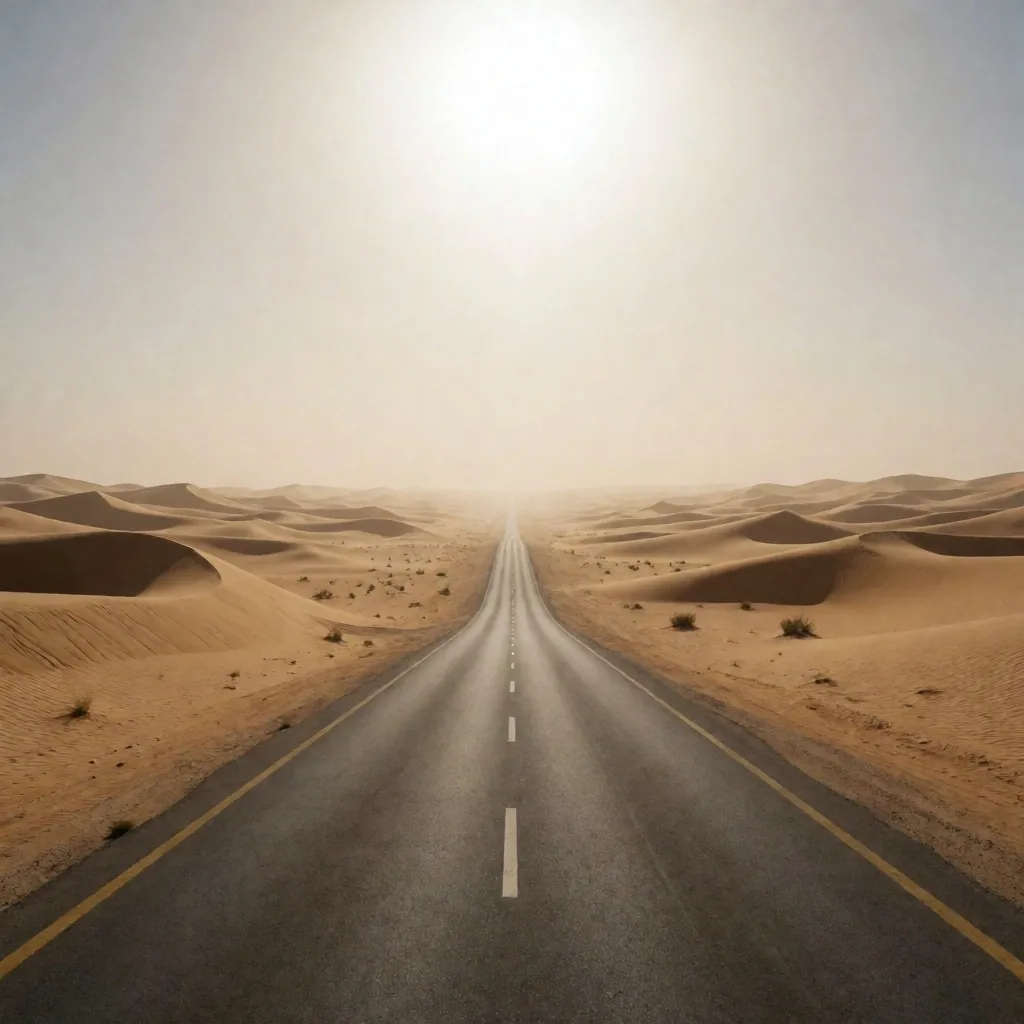
March to May. Warming rapidly. Occasional sand haze inland. Good coastal visibility.
Summer
June to August. Intense inland heat. Coast stays bearable with sea breeze. Plan early and late activity.
Autumn
September to November. Heat easing steadily. Clear skies. One of the most reliable windows for a full route.
Coast and Desert Kit
Your packing list should reflect the dual nature of the Egyptian landscape: the humid coast and the dry desert. Lightweight, breathable cotton clothing is essential for the daytime, while a warmer layer is needed for the cool desert nights.
Our travel guides into eg also recommend bringing sturdy walking shoes, a wide-brimmed hat, and high-quality sun protection. Being prepared for the physical environment is key to your comfort and safety on the ground.
- —Breathable cotton layers for daytime heat
- —Warmer mid-layer for cool desert evenings
- —Sturdy closed walking shoes for varied terrain
- —Wide-brimmed hat and high-grade sun protection
- —Reusable water bottle with filtration if possible
- —Modest cover layers for town and traditional areas
Moving Between Regions
Getting around the country involves a mix of flights, trains, and local road transport. The rail network along the Nile is efficient and offers great views, while domestic flights are the fastest way to cover long distances between the coast and the interior.
Our egypt travelling guides provide an overview of the most reliable ways to travel between major regions. We also touch upon the use of local taxis and shared vans for shorter trips within a destination, so you can match the mode to the distance.
Rail along the Nile
Efficient for major north-south routes. Window views of the river and farmland.
Domestic flights
Best for coast-to-interior jumps and tight schedules. Book ahead in peak season.
Local taxis and shared vans
Useful for short hops within towns. Agree the fare before setting off.
Arid Climate Care
Staying hydrated is the most important health consideration when travelling in the region. The dry air and high temperatures can lead to dehydration quickly if you are not careful.
Our eg travel guides advise always carrying a reusable water bottle and drinking filtered or bottled water. We also provide tips on dealing with the sun and heat, such as avoiding strenuous activity during the middle of the day.
Heat Rule of Thumb
If you are sweating less than expected in high heat, you may already be behind on fluids. Sip steadily through the day rather than waiting until you feel thirsty, and step into shade whenever possible.
Cultural Etiquette and Local Customs
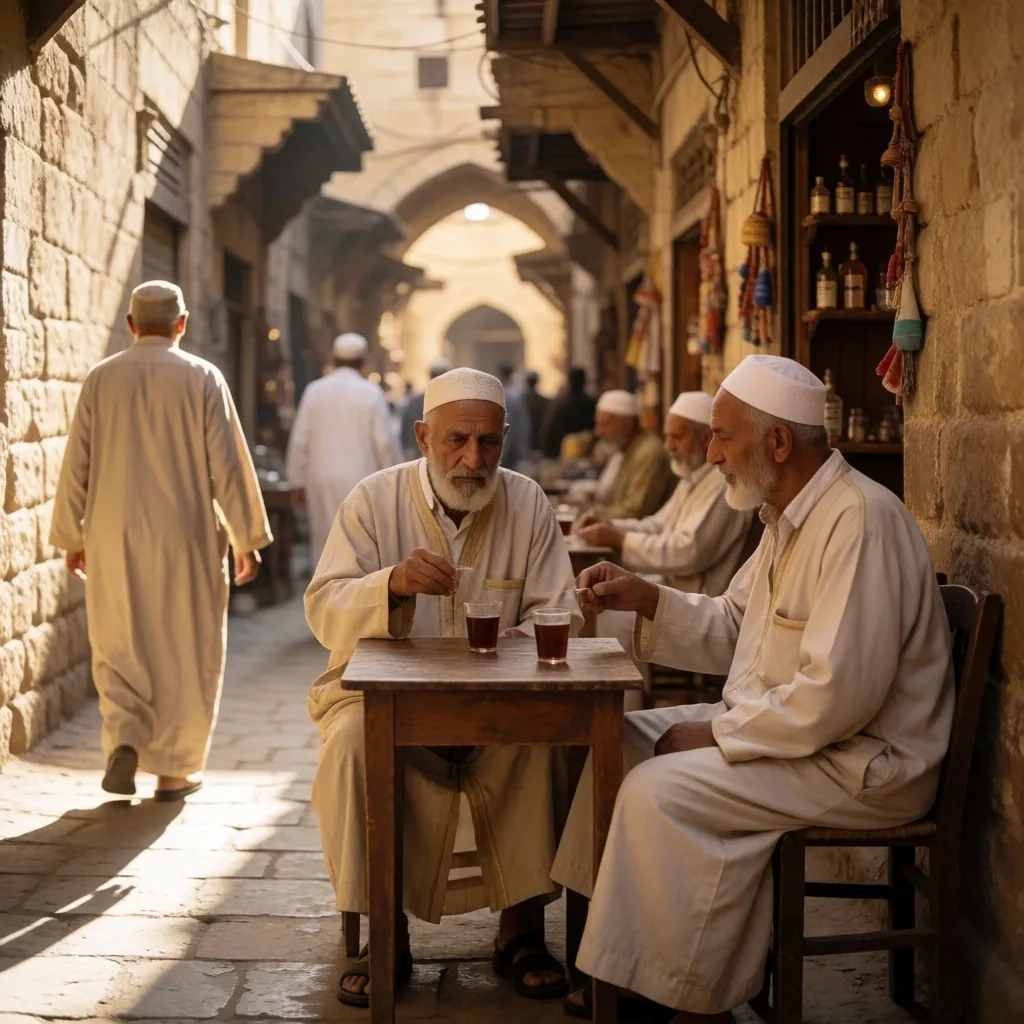
Respecting local traditions ensures a smooth and positive interaction with the communities you visit. Modest dress is generally appreciated, especially when visiting smaller towns or traditional areas.
Our travel guides into eg offer advice on basic social norms, such as greetings and tipping practices. Understanding these small details goes a long way in building rapport with the local people and showing respect for their culture.
Communication and Connectivity
While major towns have good internet and mobile coverage, some remote desert and mountain areas may have limited connectivity. We recommend getting a local SIM card upon arrival for the best rates and coverage.
Our egypt travelling guides also touch upon the common languages spoken, with Arabic being the primary tongue and English widely understood in many areas. Learning a few basic Arabic phrases can greatly enhance your travel experience.
Useful Phrases
- As-salaam alaikumPeace be upon you
- ShukranThank you
- Min fadlakPlease
- Kam?How much?
Managing Your Travel Budget
Understanding the local currency and the general cost of living helps in managing your finances during the trip. While we do not provide specific prices, our eg travel guides offer a general idea of what to expect for common expenses like meals, local transport, and small goods.
We also discuss the availability of ATMs and the use of cash versus cards. Being financially prepared allows for a stress-free holiday, especially when moving between urban centers and smaller towns where card acceptance may vary.
Cash
Carry small notes for taxis, market stalls, and rural stops where card readers are uncommon.
Cards
Widely accepted in larger towns and established venues. Keep cash as backup for outages.
Documentation and Entry
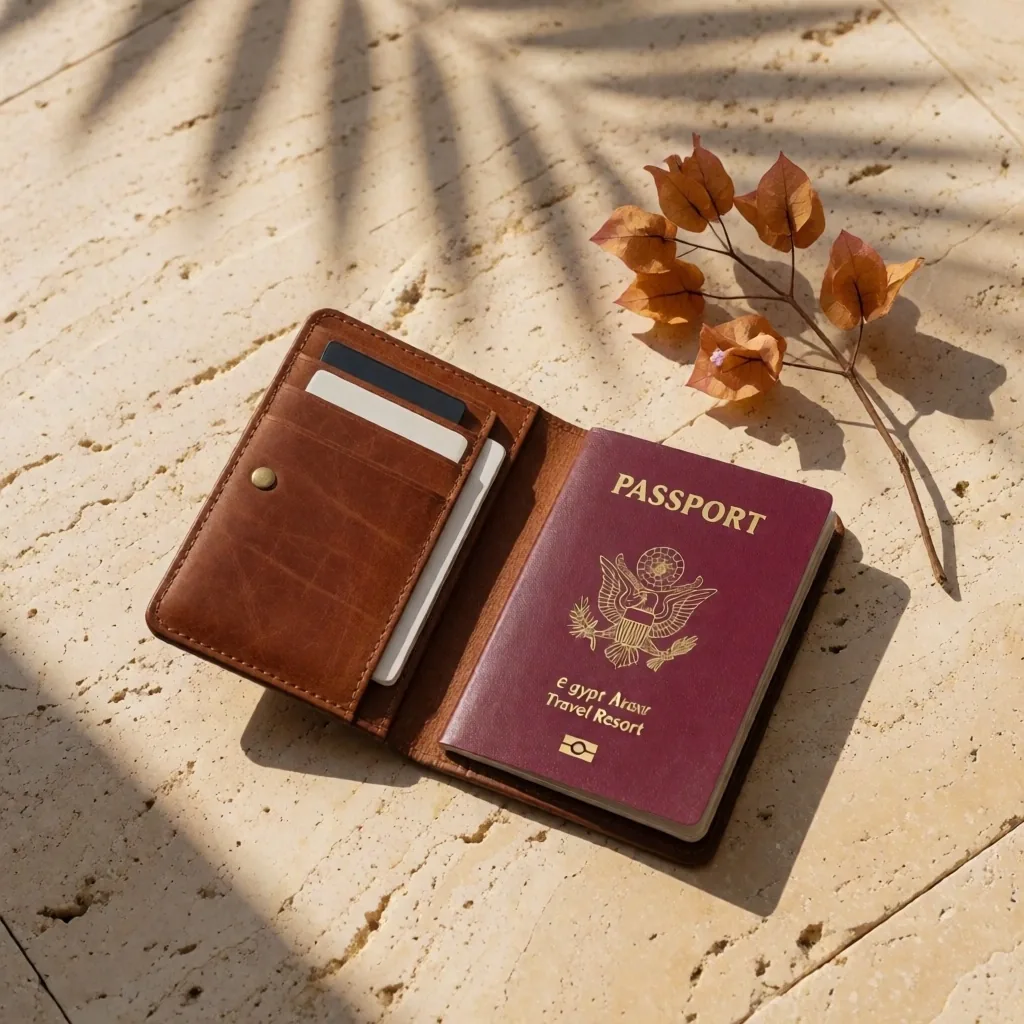
Ensuring you have the correct travel documents is the first step in any successful journey. We provide a summary of the general requirements for Saudi residents entering the region, including passport validity and any necessary entry forms.
Our travel guides into eg recommend checking the latest official government websites for the most up-to-date information. Having your paperwork in order before you arrive at the border is essential for a smooth crossing.
- —Passport with at least six months validity from your entry date
- —Any current entry forms or permits required for the specific route
- —Printed and digital copies stored separately as backup
- —Proof of onward travel if required by your entry point
Safety and Emergency Resources
While the regions we cover are generally safe for travellers, it is always wise to be aware of your surroundings and have a plan for emergencies. Our egypt travelling guides include information on local emergency numbers and the locations of major medical facilities.
We also provide general safety tips for solo travellers and families. Being informed and cautious allows you to travel with confidence and peace of mind wherever your route takes you.
Contact GuidanceCreating a Flexible Itinerary
The best travel experiences often come from having a plan but remaining open to new discoveries. We encourage you to use our guides to build a baseline itinerary but to allow time for spontaneous detours and extra days in places you love.
Our eg travel guides are designed to be a starting point for your own unique journey. A flexible approach to travel leads to less stress and more meaningful memories, especially in a region where weather and local rhythm can shift your best-laid plans.
Before You Set Off
Continue Exploring
With logistics handled, browse our destination guides for the Red Sea coast, the Nile corridor, and the Sinai route to build out the rest of your journey.