Red Sea Shores
The Red Sea shores represent a unique ecological and recreational zone that has attracted visitors for centuries. For the modern traveller into Egypt, these shores offer a sanctuary of clear water, diverse marine life, and a climate that allows for year-round visits. Our travel guides focus on the stretches of coastline that remain dedicated to natural beauty and quiet contemplation. This page provides a detailed look at the various coastal zones, their geographical features, and what makes each one a distinct choice for your next holiday.
The Coral Coast Geography
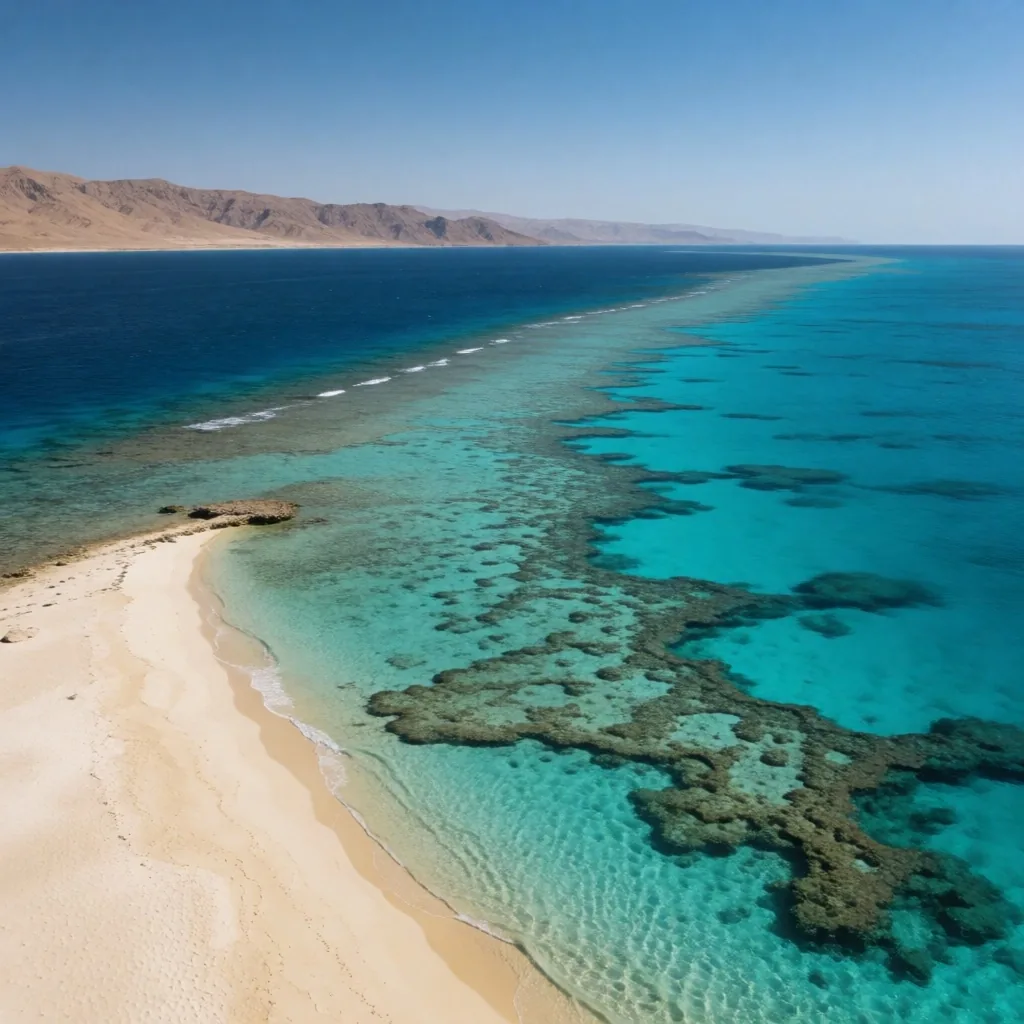
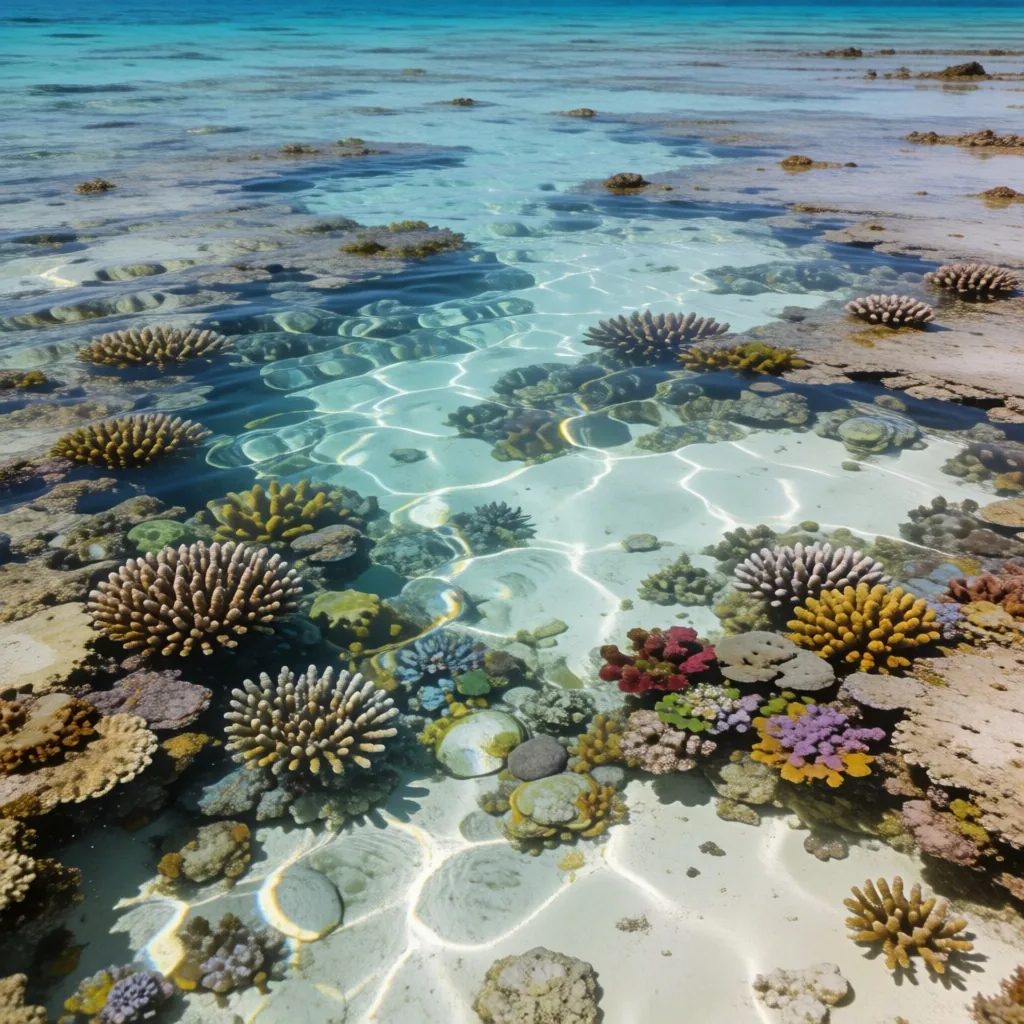
The northern Red Sea is famous for its fringing reefs that grow directly from the shoreline, creating a natural barrier and a vibrant underwater garden. This geographical feature means that even a short walk into the water reveals a world of biological diversity.
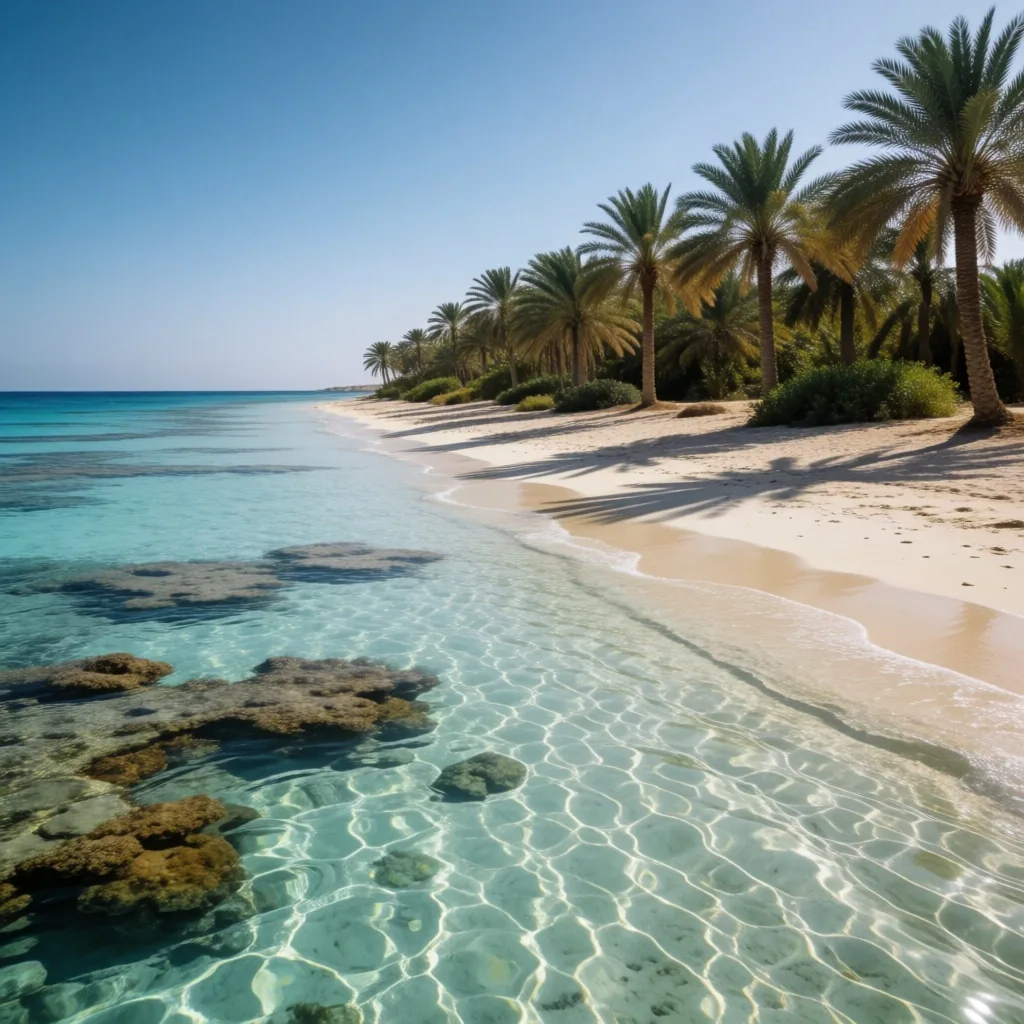
Our eg travel guides describe the shelf-like structure of these reefs and how they protect the beaches from heavy surf. The reef crest acts as a breakwater, absorbing the energy of open-sea swell before it reaches the sand. Behind this natural wall, shallow lagoons form where water warms gently and sand settles in calm pockets.
This makes the area particularly suitable for those who enjoy calm, shallow waters. Families and cautious swimmers can wade out dozens of meters without encountering depth, while the reef edge offers a sharp drop-off where the full spectacle of coral architecture begins. The transition from ankle-deep sand to vertical wall of living stone happens within a few strides — one of the most dramatic depth gradients on any coastline.
Marine Life Observation
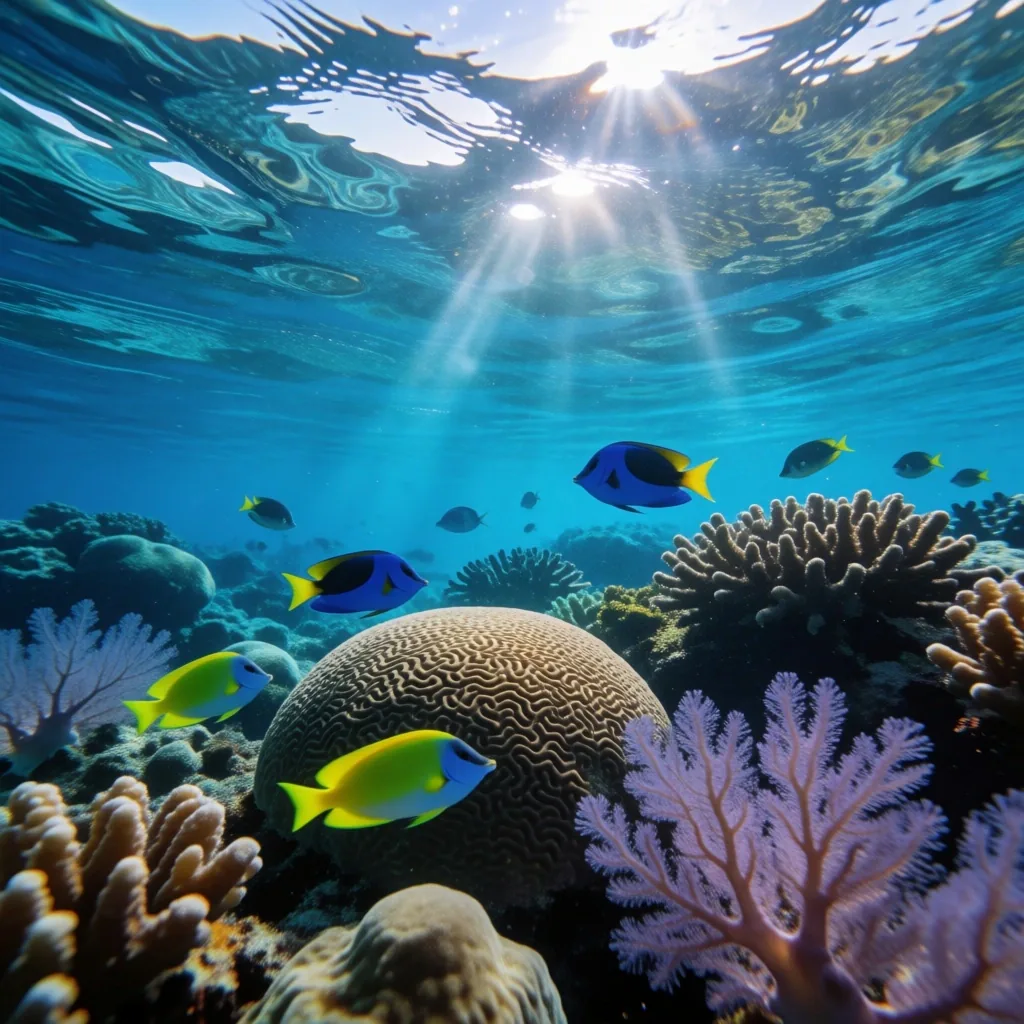
The waters here are home to hundreds of species of fish and coral, many of which are found nowhere else on earth. Without the need for expensive equipment, visitors can observe the daily life of the reef from the surface.
Calm, shallow lagoons let you watch the reef without descending below the surface
Our travel guides into eg highlight the specific areas where the water clarity is highest and the marine life is most active. In these sheltered lagoons, the water column settles clear of suspended sand within hours of any wind change, giving you a window directly onto the reef below.
The northern reefs host fish and coral varieties endemic to this narrow sea
Butterflyfish, angelfish, and parrotfish are common sightings in the shallows, where they graze on algae and pick at coral polyps. The isolation of the Red Sea from other marine bodies has allowed distinct species to develop, making even a casual look into the water a genuine lesson in biology.
We emphasize observing these creatures without touching or disturbing their environment
Coral polyps are living animals, not rocks, and contact with skin, fins, or equipment damages the thin tissue layer that gives the reef its color. Standing on coral kills the colony beneath your foot and opens the structure to infection. Keep your distance, let the fish come to you, and they will.
Coastal Flora and Shifting Sands
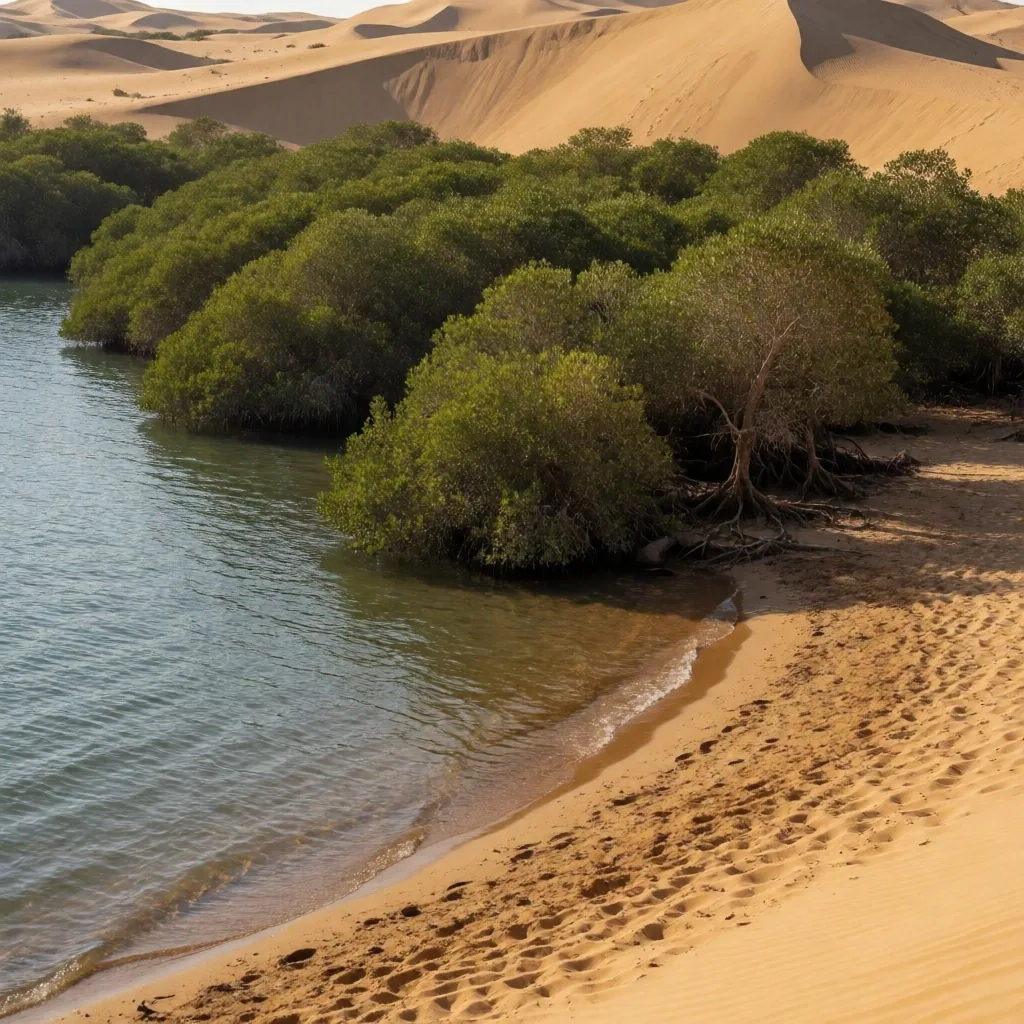
The vegetation along the Red Sea is specialized to survive in saline and arid conditions. You will find clusters of mangroves in certain protected bays, which act as nurseries for young fish and stabilizers for the shoreline.
Our egypt travelling guides also note the presence of palm groves that provide much-needed shade in the hotter months. These are not wild remnants but working groves, tended by the same families for generations, their irrigation drawn from ancient wells tapping the coastal aquifer.
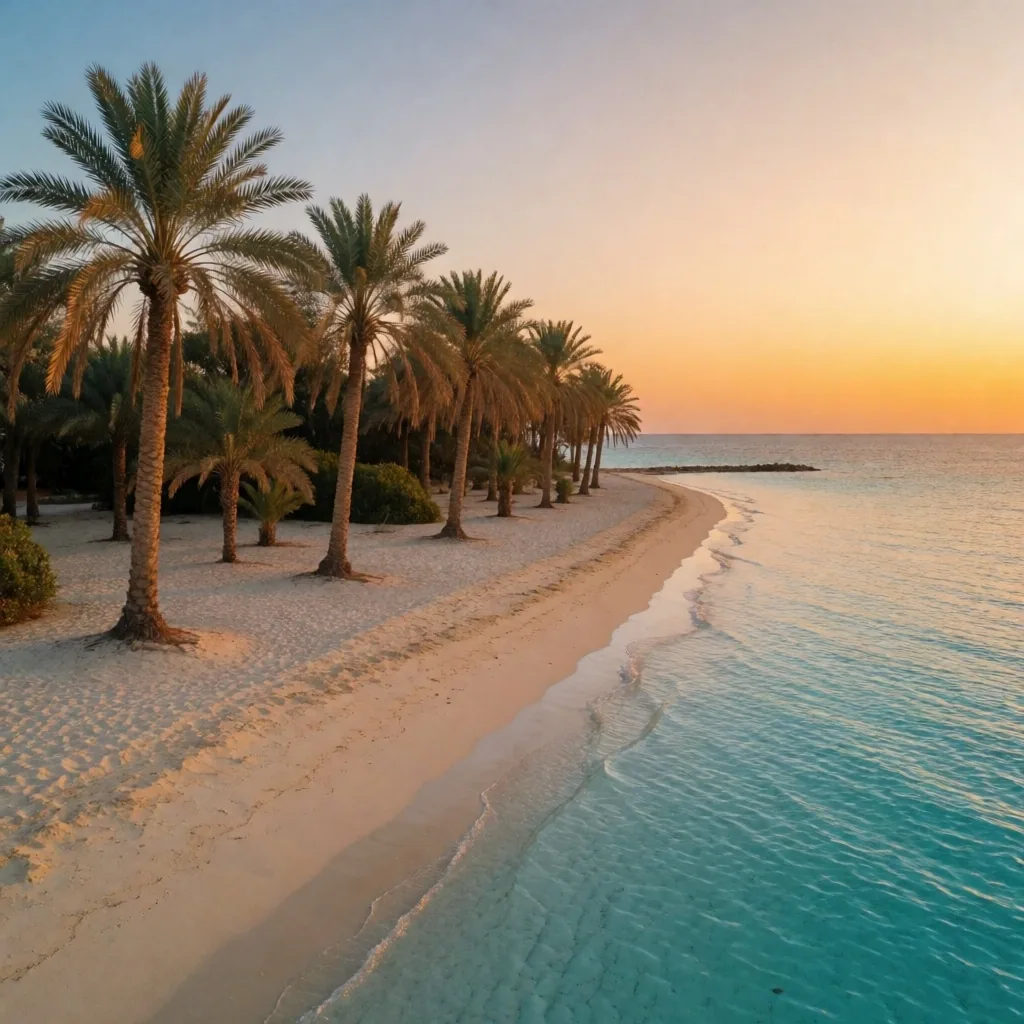
The contrast between the green foliage and the golden sand creates a striking visual landscape. The fronds move with a sound distinct from wind passing through ordinary trees — a dry, papery rustle that carries a long distance across open ground. The sand beneath shifts with the same wind, reshaping the lower beach from one week to the next, so no two visits to the same bay look exactly alike.
Wind and Water Conditions
The prevailing winds along the coast are a defining feature of the local climate, often providing a cooling effect even in mid-summer. These winds also influence the water temperature and the clarity of the sea, making certain months better for swimming than others.
Our travel guides provide data on average wind speeds and water temperatures across the different seasons. Understanding these patterns helps in choosing the most comfortable time for a seaside retreat.
Wind from the northwest moderates the daytime heat without churning the water. Clarity peaks as plankton settles, and the surface becomes a flat pane of glass until late afternoon. This is when underwater visibility reaches its best sustained levels.
Air temperatures drop to a comfortable range, and the sea retains enough warmth to make extended swimming pleasant. Occasional gust fronts can stir the shallows for a day or two, but the water clears quickly once the wind relaxes.
Wind patterns shift, bringing drier air from the interior. Mornings stay calm and are the best window for surface observation. Afternoon chop picks up reliably after midday, which reef snorkelers can use as a natural signal to come in.
The coast finds its quietest visitor season. Wind often runs hot and dry off the land, but the sea stays cooler than the air, making the water a genuine refuge. Early-morning entry before the wind builds is the comfortable pattern locals follow.
Small-Scale Coastal Settlements
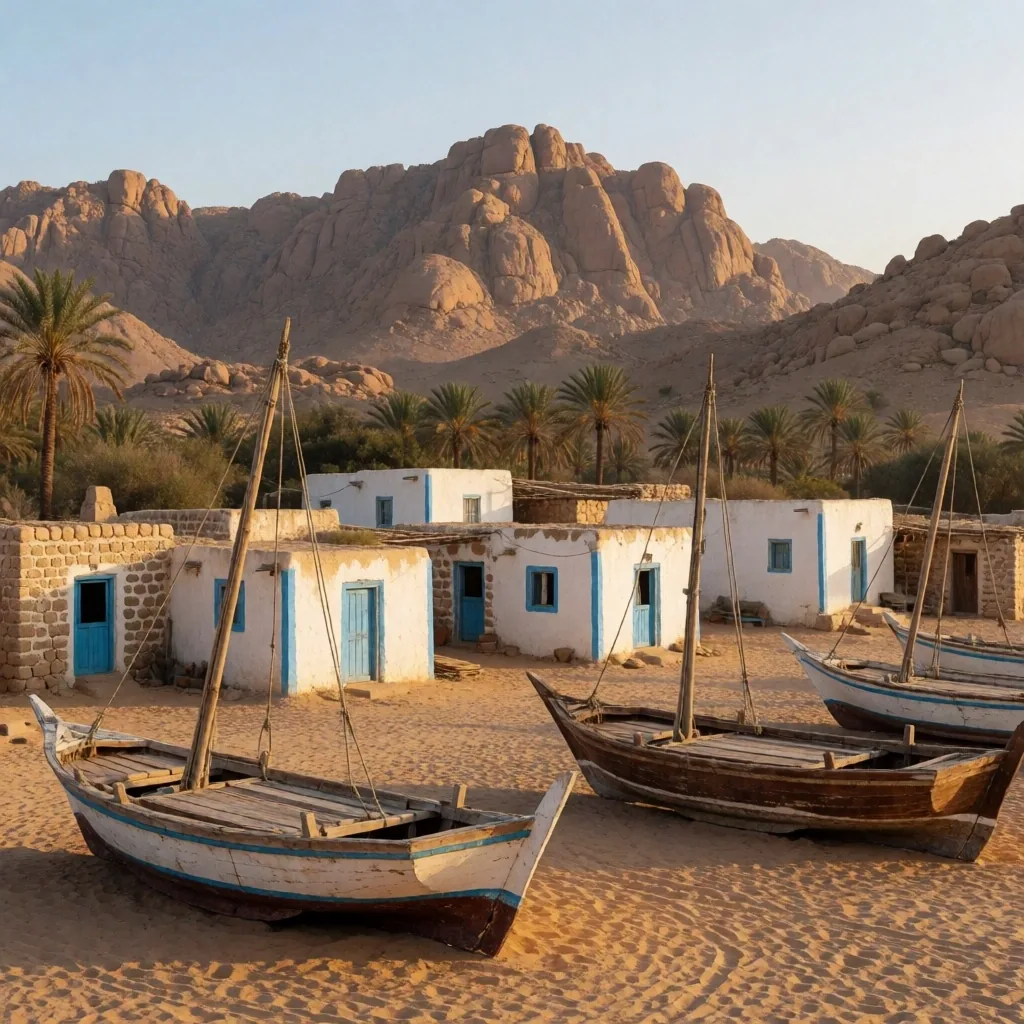
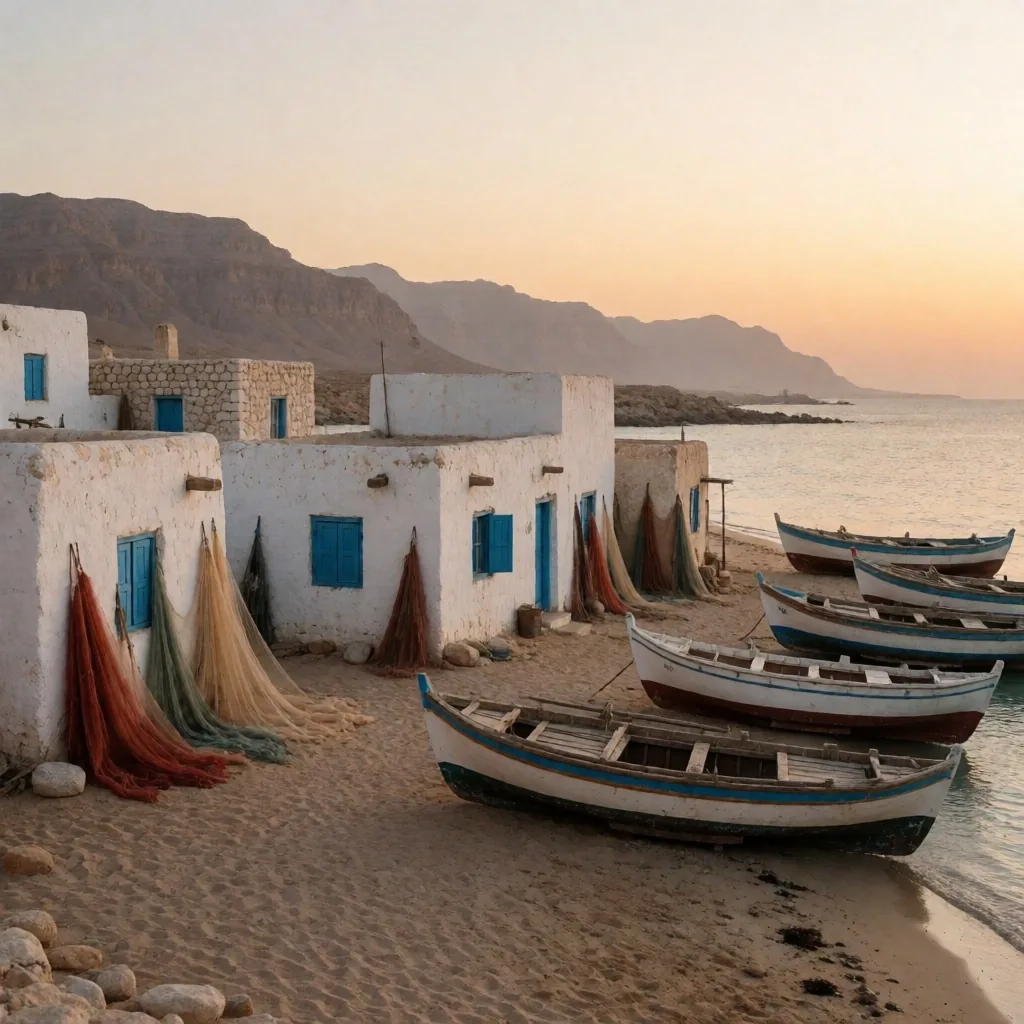
Instead of looking at large urban centers, our guides focus on the smaller villages that dot the coastline. These settlements often have a deep connection to the sea, with local economies based on artisanal fishing and quiet hospitality.
Our eg travel guides highlight the peaceful nature of these towns, where the focus is on the environment rather than the crowds. These locations are ideal for those seeking a more authentic and low-key experience.
The pace of life in these villages follows the tide and the light rather than the clock. Fishing boats leave before dawn and return as the wind shifts in late morning. Bread is baked in shared ovens, and the day's catch moves from boat to table within hours. Visitors who adjust to this rhythm — walking early, resting in shade at midday, returning to the shore at dusk — will see the coast the way its residents do.
The Sound of the Sea
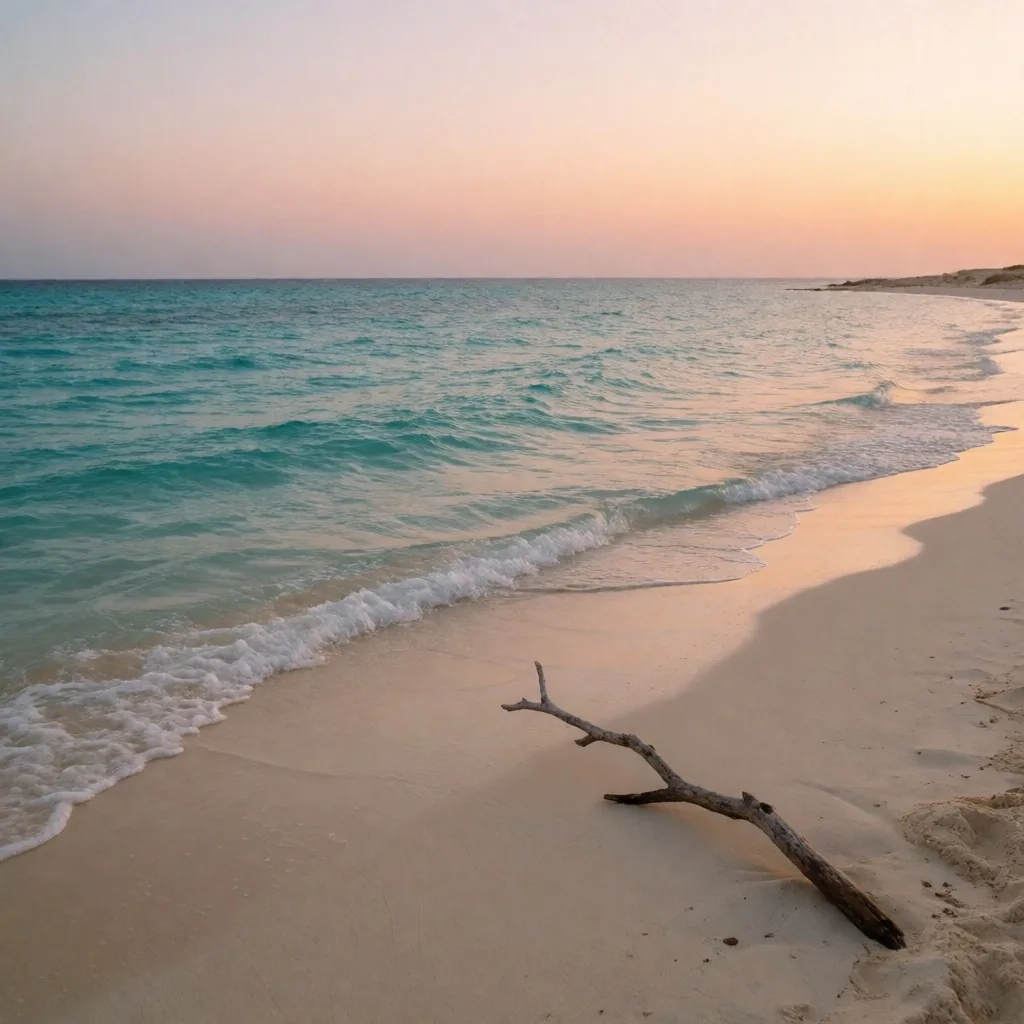
One of the most praised aspects of the Red Sea shores is the profound sense of quiet found in the more remote sections. Away from the engine noise of larger ports, the soundscape is dominated by the rhythmic washing of waves and the calls of coastal birds.
Our travel guides into eg identify specific stretches of beach where you can enjoy this natural tranquility. This auditory experience is a key part of the restorative power of the coast.
Sunset and Evening Atmosphere
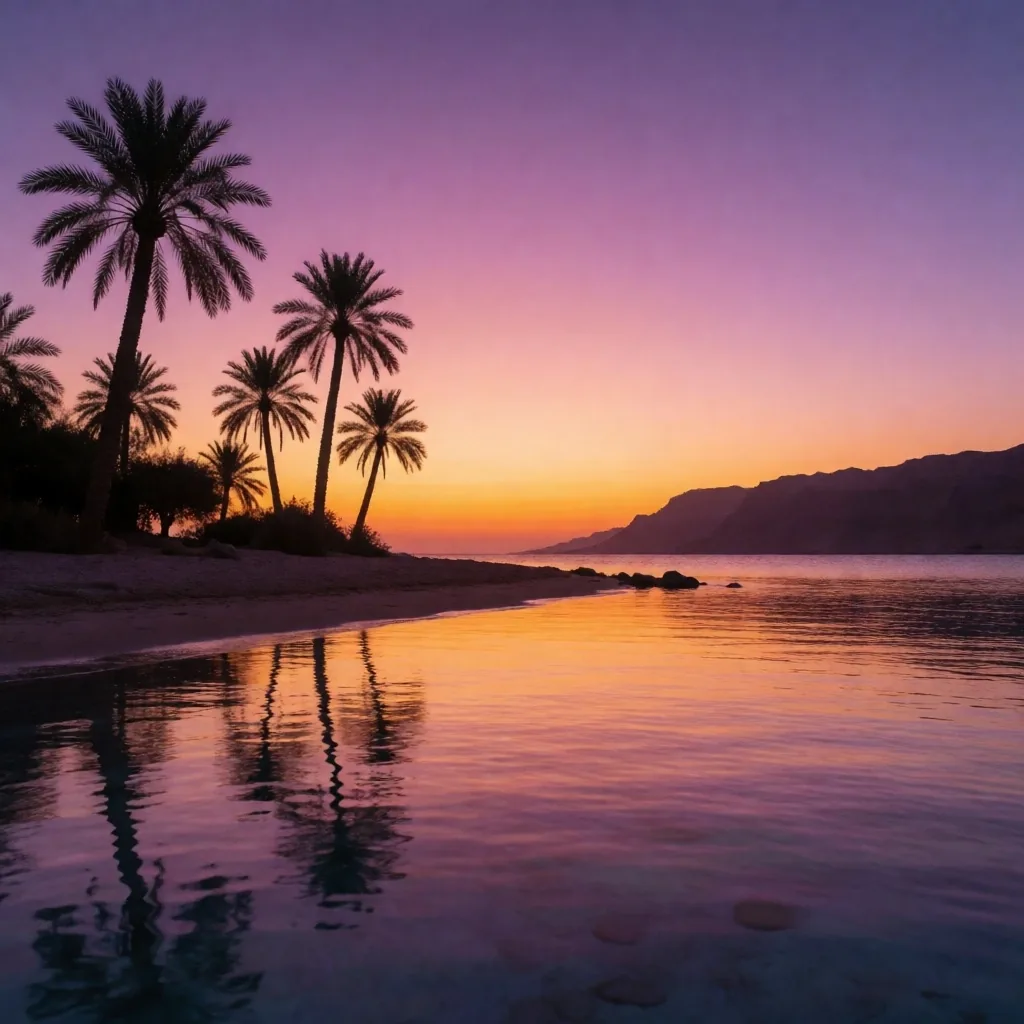
The geography of the Red Sea means that sunsets over the water or behind the distant mountains are a daily spectacle. As the temperature drops in the evening, the coastal towns come alive with a gentle energy as residents and visitors alike enjoy the cooler air.
Our egypt travelling guides recommend the best vantage points for watching the horizon change colors. A westward-facing bay gives you the sun dropping into the sea, turning the water from turquoise to molten amber and then to deep violet. An eastward-facing shore with the mountains behind you catches the last light reflected on the granite faces, which hold the color for several minutes after the sun itself has gone.
The evening hours are often the most pleasant time for a long walk along the tide line. The sand cools underfoot, the wind settles, and the beach widens as the tide retreats. This is when the shore belongs to the people who live here, and the atmosphere shifts from a visitor's day to a local's evening.
Practical Beach Safety
While the Red Sea is generally calm, it is important to be aware of local currents and the sharp nature of coral fragments. We provide travel guides that include basic safety tips for coastal explorers. Safety is a fundamental part of enjoying the natural world.
Wear hard-soled water shoes when walking in the shallows
Coral fragments wash into the shallows and stay sharp for years after they break. A thin rubber sole protects against cuts that can quickly become inflamed in saltwater. Hard soles also guard against stonefish and urchins hidden in rubble.
Learn the local tide cycles before entering remote bays
Longshore currents run parallel to the beach and can move quickly between reef gaps. If you feel yourself pulled sideways, do not swim against the flow — angle gradually toward the shore once the pull relaxes. Tide tables are available from any local guide.
Plan water time for early morning and late afternoon
The coastal sun is intense, and reflection off sand and water doubles the effect. Rash guards with built-in protection, hats with brims, and frequent shade breaks are the working standard. Locals stay out of the water between eleven and three, and visitors benefit from following the same pattern.
Maintain a buffer from all coral formations and marine life
Coral scrapes from living reef heal slowly and can become serious wounds in the tropical heat. Keep fins away from the substrate, control buoyancy while floating, and do not grab the reef to steady yourself. If you need to rest, swim back to shallow sand and stand there.
Traditional Sea Crafts and History
The history of navigation in the Red Sea is long and storied, involving ancient trade routes and traditional wooden boats. While many of these practices have modernized, the influence of maritime history is still visible in the local culture.
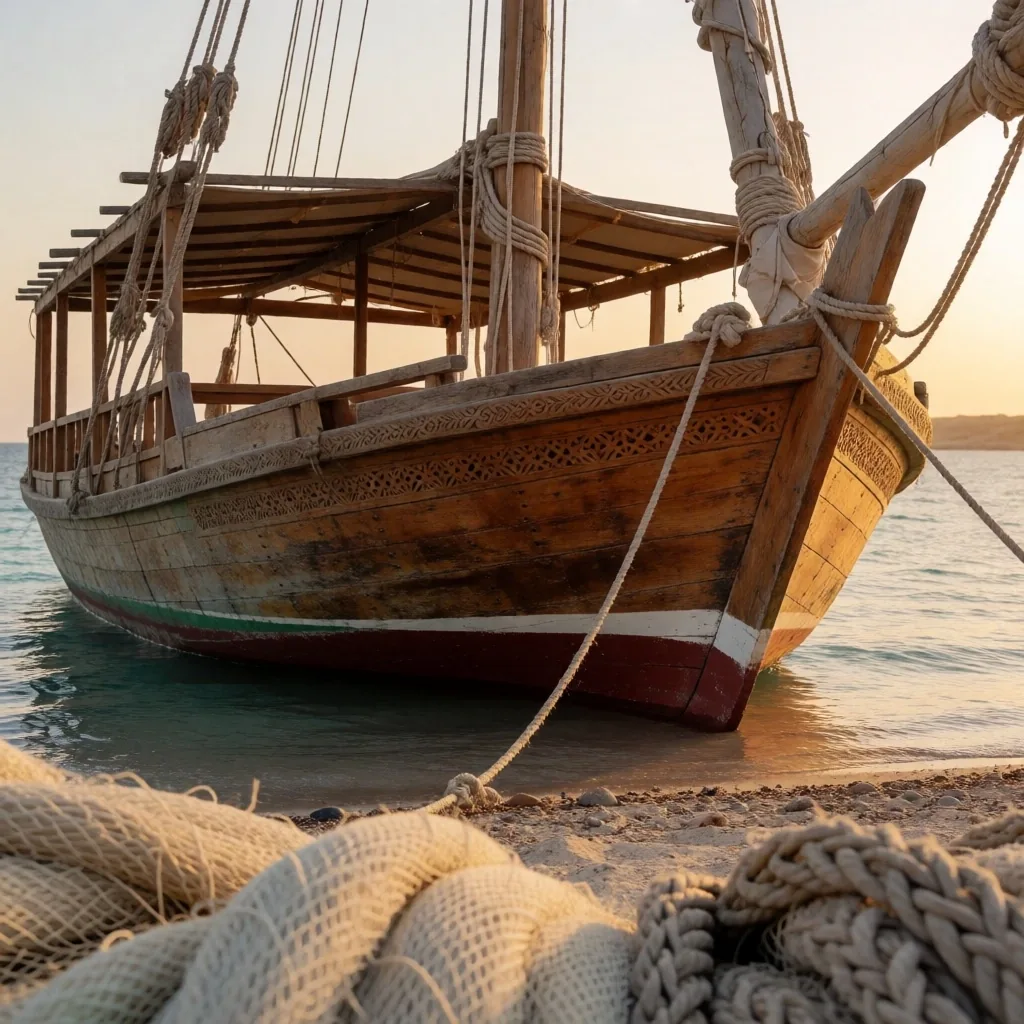
Our eg travel guides touch upon the traditional designs of fishing vessels and the skills required to navigate these reef-filled waters. The hull shape developed here is specific to the conditions — a flat bottom to clear the shallows, a high bow to take the afternoon chop, and a single mast that can be dropped quickly when the wind turns. These are working boats, not pleasure craft, and their lines carry the logic of generations.
This historical context adds depth to the simple act of looking out at the sea. The same channels the boats navigate today were plotted by pilots who knew the reef by memory, marking safe passage with shore features rather than instruments. That knowledge still lives in the way local fishermen read the color of the water, and it is worth asking a captain about the route before you leave harbor.
Environmental Preservation Efforts
The health of the Red Sea is a priority for the communities that live along its shores. Many areas are now protected zones where fishing and anchoring are strictly regulated to allow the reefs to thrive.
Our travel guides into eg encourage visitors to support these efforts by following local guidelines and minimizing their ecological footprint. This includes using established moorings rather than dropping anchor, refusing single-use plastics on the beach, and choosing operators who follow the reef-protection rules that local authorities have set.
Preserving the beauty of the coast ensures that future generations can also enjoy its wonders. The coral that takes decades to recover from a single careless anchor strike is the same coral that cleans the water, shelters juvenile fish, and gives the shoreline its distinct character. The effort to protect it is visible, organized, and ongoing — and it depends on visitors who treat the place as guests rather than consumers.
Where to Go Next
The Red Sea is one face of a wider coastline. These companion guides cover the same ground from different vantage points — quieter villages, inland oases, and the river corridor that feeds the same water system.
Hidden Coastal Villages
The smaller settlements along the shore, their daily rhythm, and what to expect if you stay in one.
Open guide InlandDesert Oasis Escapes
When the coast feels too warm, the inland springs offer shade, cool water, and a different kind of quiet.
Open guide RiverNile River Journey
The freshwater counterpart to the saltwater coast — a guide to the settlements and scenery along the river.
Open guideHave a specific question about conditions, access, or the best season for a Red Sea visit?
Contact Guidance